


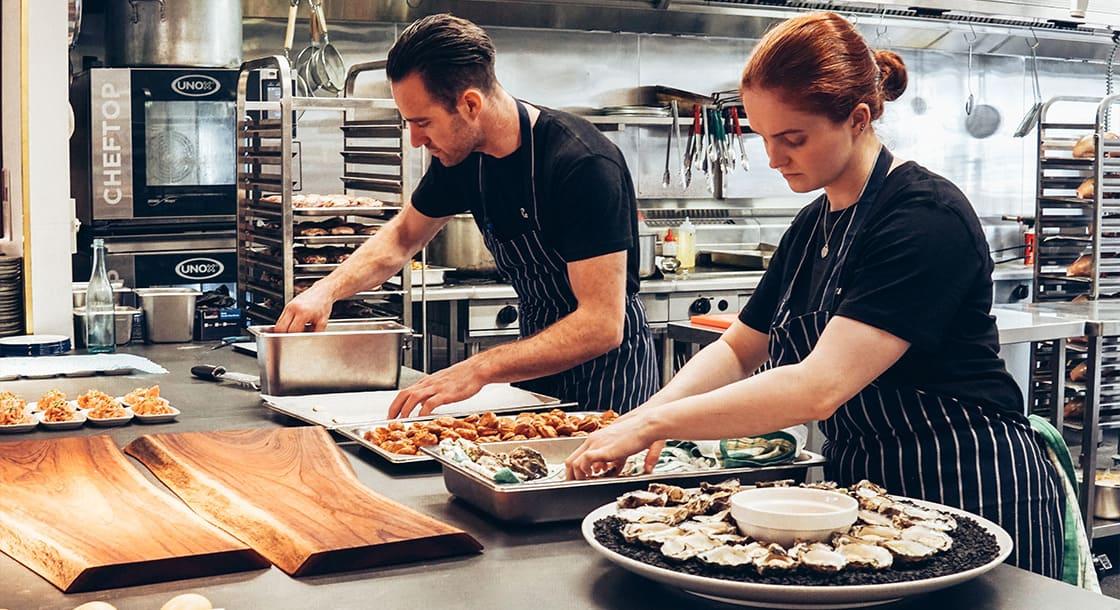
Running a restaurant is tough work. You deal with busy shifts. Staff juggle orders. Customers expect great food fast. But behind the scenes, supply issues can add huge stress. Efficient distribution changes that. It gets ingredients to you on time. Fresh and reliable. This cuts waste and worries. Let's explore how it helps. We'll share tips too. Think about it—better flow means happier teams and smoother days.
What Is Efficient Distribution in Restaurants?
Efficient distribution means getting food from suppliers to your kitchen without hitches. It's part of the supply chain. Suppliers source items. Distributors handle delivery. You store and use them.
From sites like Quirch Foods and Descartes, it's clear. Good systems use tech for routes. Trucks keep temps right. Orders track in real time. This stops delays. No more last-minute runs for missing stock.
The goal? Fresh goods when needed. No excess sitting around. Restaurants avoid spoilage. Staff focus on cooking, not chasing deliveries. It's simple. But it fixes big problems.
Why Inefficient Distribution Causes Stress
Bad distribution piles on pressure. Trucks run late. Ingredients spoil. You overorder to be safe. Storage fills up. Waste grows.
NetSuite points this out. Shortages force menu changes. Customers get upset. Staff scramble. Costs rise from rush buys. Labor strikes or weather add chaos. One delay ripples through your day.
Grubhub notes multiple suppliers complicate things. Tracking gets hard. Errors happen. Over time, this burns out teams. Profits dip. Stress builds. Efficient ways flip this. They streamline everything.
Key Benefits of Efficient Distribution
Good systems ease the load. Here's how.
First, less waste. Just-in-time delivery means no old stock. Quirch Foods says this saves money. Restaurants toss less food.
Second, lower costs. Optimized routes cut fuel use. Descartes highlights this. Bulk buys from reliable sources drop prices.
Third, better quality. Temp-controlled trucks keep items fresh. No spoilage stress.
Fourth, happy staff. Real-time tracking means no surprises. Teams plan better. Less rushing.
Fifth, steady menus. Consistent supply avoids changes. Customers stay loyal.
Overall, it builds calm. Operations run smooth. You focus on what matters—great service.
How Technology Makes Distribution Efficient
Tech is a game changer. It automates the hard parts.
Route planning tools from Descartes optimize paths. Drivers avoid traffic. Deliveries hit windows.
Inventory software tracks stock. NetSuite explains this. Alerts reorder low items. No manual counts.
RFID tags, per QSR Magazine, locate goods fast. Reduces search time in warehouses.
Apps let you order quick. Grubhub promotes this. See status updates. Adjust on the fly.
AI predicts needs. Spots patterns in sales. Orders adjust auto. This cuts guesswork. Stress drops.
Start small. Pick one tool. See the difference.
Strategies to Improve Your Distribution
Want to fix things? Try these steps.
Build strong ties with suppliers. Regular talks help. They understand your needs.
Diversify sources. Don't rely on one. NetSuite advises this. Covers shortages.
Use local options. Shorter hauls mean fresher goods. Less delay risk.
Implement JIT. Quirch Foods loves this. Order what you need. Cut storage stress.
Train staff on systems. Know how to track. Spot issues early.
Go green. Sustainable practices, like efficient trucks, save long term. Descartes notes lower emissions too.
In places like Saudi Arabia, partners matter. Work with a food importer in saudi arabia for reliable imports. They handle customs smooth.
Common Challenges and Fixes
Challenges pop up. But solutions exist.
Shortages from weather or strikes. Fix: Backup suppliers. Stock key items.
High costs from small orders. Fix: Group buys. Negotiate better rates.
Spoilage in transit. Fix: Insist on cold chains. Check temps on arrival.
Overstock from poor forecasts. Fix: Use sales data. Adjust weekly.
Staff overload from manual work. Fix: Automate with apps. Free up time.
These tweaks reduce headaches. Operations feel lighter.
Real Examples from the Industry
Look at success stories. They show the power.
One chain used route software. Descartes shares this. Deliveries sped up 20%. Costs fell. Staff had less rush.
A small eatery switched to JIT. Quirch Foods example. Waste dropped 30%. Kitchen stayed organized.
NetSuite case: A spot with inventory tech. No more shortages. Menus stayed full. Customers raved.
Grubhub helped with tracking. Orders arrived on time. Teams relaxed more.
These prove it. Efficient distribution eases daily grind.
Tips for Restaurants to Get Started
Ready to improve? Here's how.
Audit your current setup. Note pain points. Like late trucks or waste.
Research partners. Look for reliable ones. In the region, arabian food supplies offer fresh options.
Invest in basic tech. Start with a tracking app. Low cost, big impact.
Train your team. Hold short sessions. Make it routine.
Monitor results. Track waste and costs monthly. Adjust as needed.
Talk to peers. Share experiences. Learn what works.
Patience helps. Changes take time. But stress fades quick.
The Future of Restaurant Distribution
Trends point to more tech. AI will predict better. Drones might deliver small loads.
Sustainability grows. Eco trucks cut costs and appeal to green customers.
Global chains expand. But local focus stays key.
Stay updated. Watch industry news. Adopt what fits.
In the end, efficient distribution builds stronger businesses.
Wrapping Up
Efficient distribution cuts operational stress in big ways. It saves time, money, and sanity. Restaurants run smoother. Teams feel better. Customers notice the quality.
Think about your setup. Make one change today. See the relief. Your business deserves it.

 English
 Arabic
 French
 Spanish
 Portuguese
 Deutsch
 Turkish
 Dutch
Dutch
 Italiano
 Romaian
 Portuguese (Brazil)
 Greek
Greek