


Many homeowners use the words drain and sewer as if they mean the same thing. They do not. While both are part of your plumbing system, they serve very different purposes. Understanding this difference can help you spot problems early and avoid costly repairs.
If you are searching for Sewer Line Cleaning Near Me, chances are the issue is not just a small drain clog. It may involve your main sewer line. At NuFlow DFW, we see this confusion all the time. Knowing whether the problem is in the drain or the sewer helps determine whether cleaning is enough or if trenchless sewer repair Dallas Fort Worth is needed.
Let’s break it down clearly.
What Is a Drain?
A drain is the pipe that carries wastewater away from a single fixture. Every sink, toilet, tub, and shower has its own drain. These pipes are usually smaller in diameter and handle localized waste.
For example, when water goes down your kitchen sink, it travels through a drain pipe. That pipe connects to larger plumbing lines later.
Drains handle:
-
Soap and water
-
Food particles
-
Hair and residue
-
Light household waste
Drain problems are usually close to the fixture. A slow sink or clogged shower often points to a drain issue.
Common Drain Problems
Drain issues tend to show up quickly. Water drains slowly. You may hear gurgling sounds. Sometimes water backs up into the sink or tub.
The most common causes include:
-
Grease buildup
-
Hair clogs
-
Soap residue
-
Small objects stuck in the pipe
These issues are often fixed with professional drain cleaning. In many cases, the sewer line is not involved.
What Is a Sewer?
A sewer line is much larger. It collects wastewater from all drains in your home. It then carries that waste away to the municipal sewer system or a septic tank.
Think of drains as side roads. The sewer is the main highway.
Your sewer line handles:
-
Waste from toilets
-
Water from all sinks and showers
-
Laundry discharge
-
Heavy organic material
Because it serves the entire home, sewer issues affect multiple fixtures at once.
Signs of a Sewer Line Problem
Sewer problems are harder to ignore. They usually impact more than one drain. When this happens, homeowners often start searching for Sewer Line Cleaning Near Me.
Common warning signs include:
-
Multiple drains backing up at once
-
Sewage smells inside or outside the home
-
Gurgling sounds from toilets
-
Water backing up into tubs or floor drains
These are not surface-level issues. They usually point to a blockage or damage in the main sewer line.
Key Differences Between Drain and Sewer
The biggest difference is scale and impact.
A drain serves one fixture.
A sewer serves the entire house.
Drain problems are usually minor. Sewer problems are more serious. Drain clogs are often caused by daily habits. Sewer issues may involve tree roots, pipe collapse, or heavy buildup.
Because sewer lines are underground, problems are harder to detect early. That is why professional inspection matters.
Drain Cleaning vs Sewer Line Cleaning
Drain cleaning focuses on clearing short sections of pipe. It removes hair, grease, and residue near the fixture. This restores normal flow quickly.
Sewer line cleaning is more advanced. It often uses high-pressure water or specialized equipment to clean long pipe sections. This process clears grease, sludge, roots, and debris from the entire line.
When people search for Sewer Line Cleaning Near Me, they usually need more than a simple drain fix.
When Drain Cleaning Is Enough
Drain cleaning works well when:
-
Only one fixture is affected
-
The clog is close to the surface
-
No sewage smell is present
-
Other drains work normally
In these cases, the sewer line is likely fine. Professional drain cleaning solves the problem.
When Sewer Line Cleaning Is Required
Sewer line cleaning is needed when:
-
Multiple drains back up
-
Toilets overflow or gurgle
-
Sewage odors appear
-
Water backs up into lower drains
Ignoring these signs can lead to serious damage. Sewer backups can harm floors, walls, and foundations.
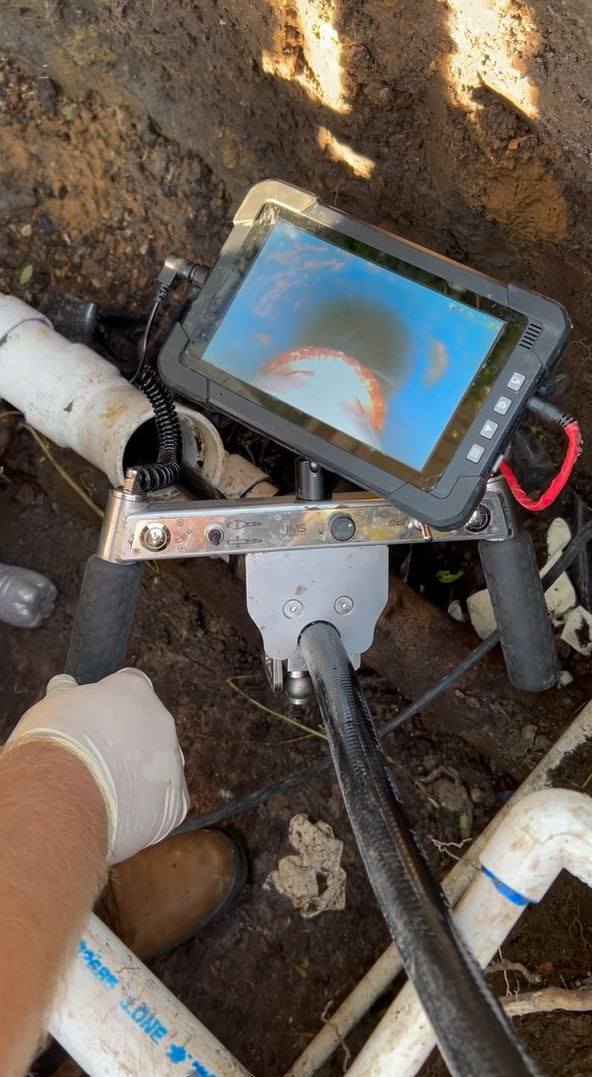
At NuFlow DFW, sewer camera inspections are often used first. This shows exactly what is happening inside the pipe.
When Sewer Damage Requires Repair
Sometimes cleaning alone is not enough. If the sewer line is cracked, collapsed, or severely corroded, repair becomes necessary.
This is where trenchless sewer repair Dallas Fort Worth is a game changer. Instead of digging up your yard, trenchless methods repair the pipe from the inside. This saves time and protects landscaping.
Trenchless repair is often recommended after repeated sewer issues or when inspections reveal structural damage.
Why Homeowners Confuse Drains and Sewers
The confusion is understandable. Both systems move wastewater. Problems often appear in the same places. Water backs up. Drains slow down.
The difference becomes clear when you look at the pattern. One drain usually means a drain issue. Several drains at once usually mean a sewer problem.
Knowing this difference helps you explain the issue clearly when calling a professional.
How to Prevent Drain and Sewer Problems
Prevention starts with good habits.
Avoid pouring grease down drains.
Use drain strainers.
Do not flush wipes or paper towels.
Schedule routine inspections.
Regular maintenance reduces emergency repairs. It extends the life of both drains and sewer lines.
Professional Sewer Line Cleaning Near Me services can also catch problems early before they become expensive.
Why Choose NuFlow DFW
At NuFlow DFW, the focus is on long-term solutions. We do not guess. We inspect first. We clean when possible. We repair only when needed.
Whether it is routine drain cleaning or advanced trenchless sewer repair Dallas Fort Worth, the goal is to restore proper flow and protect your property.
Final Thoughts
Drains and sewers play different roles, but both are critical. A drain problem affects one fixture. A sewer problem affects your entire home.
Understanding the difference helps you act faster and smarter. If issues are isolated, drain cleaning may be enough. If problems spread across your home, sewer line cleaning or repair may be required.
When in doubt, professional evaluation is always the safest option.

 Arabic
 French
 Spanish
 Portuguese
 Deutsch
 Turkish
 Dutch
Dutch
 Italiano
 Russian
 Romaian
 Portuguese (Brazil)
 Greek
Greek