


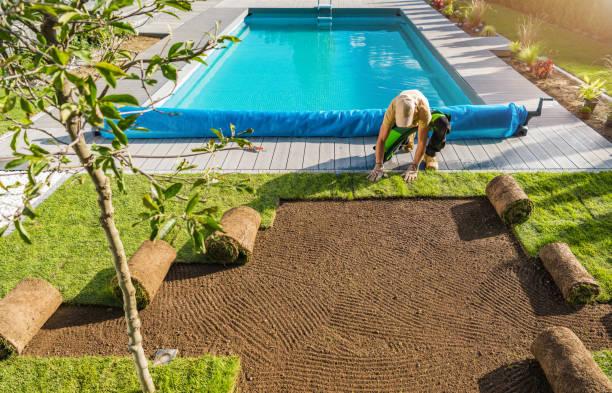
A fresh green lawn instantly enhances the beauty of any outdoor space. Many homeowners choose laying lawn turf to achieve an even, lush, and attractive lawn without waiting months for grass to grow from seed. However, one common question arises immediately after installation: is walking on the lawn safe after turf placement? Understanding the right approach helps protect new grass and ensures long-term success. Proper care during the early stage plays a crucial role in turf establishment and overall lawn health.
Understanding What Happens After Laying Lawn Turf
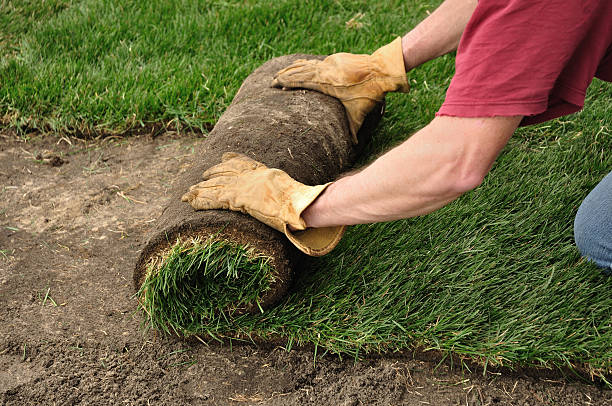
The process of laying lawn turf involves placing pre-grown grass rolls onto prepared soil. Turf contains grass roots attached to a thin layer of soil, allowing quick transformation of bare ground into a green surface. After installation, roots begin attaching to the soil beneath. This rooting phase determines how strong and durable the lawn will become.
During the early days, roots remain delicate and require moisture, stability, and time to grow into the underlying soil. Walking too soon can disrupt root contact, create uneven surfaces, and cause damage to newly placed turf. Correct care allows strong root development, ensuring the lawn remains healthy for years.
Can You Walk on Lawn Turf Immediately After Installation?
Walking on turf right after turf installation is not recommended. Freshly installed turf needs time to bond with the soil. Foot traffic during this stage may shift turf rolls, create gaps, and lead to poor root connection. Even light pressure can affect moisture retention and soil contact.
Most lawn professionals suggest avoiding regular walking for at least two to three weeks after turf laying. The exact timeline depends on weather conditions, soil preparation, watering schedule, and grass variety. Cooler weather usually slows root growth, while warm and slightly moist conditions help turf establish faster.
Why Avoid Walking on Newly Installed Turf?
1. Prevents Turf Movement
Fresh turf sits loosely on soil during the initial stage. Stepping on the lawn may cause rolls to move or separate. Movement can create uneven surfaces and increase the risk of grass drying out along edges.
2. Protects Root Development
Healthy roots are essential after laying grass turf. Roots require direct soil contact to absorb nutrients and water. Foot pressure can break root contact and delay growth.
3. Maintains Even Lawn Surface
Footprints and pressure marks can form depressions in soft soil. These marks may remain visible and affect lawn appearance even after turf establishes.
4. Helps Retain Moisture
New turf requires consistent moisture. Walking across wet turf can squeeze water from soil layers and reduce moisture levels needed for root growth.
How Long Should Walking Be Avoided?
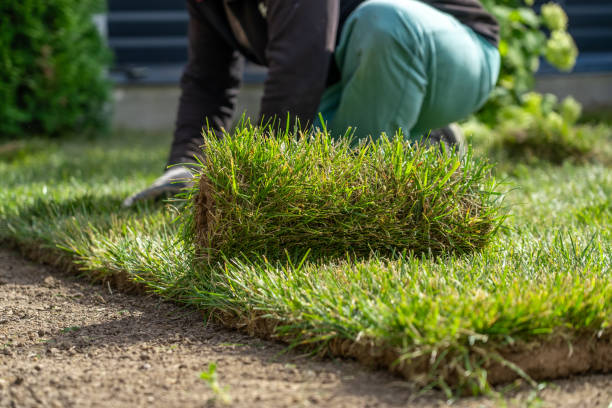
The standard recommendation after turf installation includes avoiding walking for approximately two to three weeks. This time allows roots to anchor securely. A simple test helps determine readiness. Gently lift one corner of turf. If turf resists lifting and feels attached to soil, rooting has begun successfully.
Environmental factors can influence rooting speed:
-
Warm weather often speeds root establishment.
-
Adequate watering supports faster bonding.
-
Proper soil preparation improves root penetration.
-
Shade or cold conditions may slow root growth.
Professional guidance from The Lawn Turf Laying Company often suggests monitoring turf stability instead of relying only on a fixed timeline.
When Is Light Walking Acceptable?
Occasional light stepping may become safe after about ten to fourteen days, depending on turf condition. Light stepping should only occur when necessary, such as adjusting sprinklers or checking irrigation systems. Even during this stage, repeated traffic should remain limited.
Full lawn use, including pets and outdoor activities, should wait until turf establishes fully. Strong root systems prevent turf displacement and ensure grass remains firmly attached.
Tips to Protect Lawn After Laying Lawn Turf
Water Consistently
Water plays a vital role during the first few weeks after laying lawn turf. Turf should remain moist but not waterlogged. Regular watering encourages root penetration and prevents drying.
Avoid Heavy Objects
Garden furniture, decorations, or equipment should remain off the lawn during early turf growth. Extra weight may cause uneven soil compression and restrict root development.
Install Temporary Walkways
Using stepping stones or wooden planks helps reduce direct pressure on turf during essential access. This simple method protects grass during the delicate establishment phase.
Monitor Edges and Seams
Edges and seams between turf rolls require attention. Proper watering and limited foot traffic help prevent gaps or drying along these areas.
Follow Professional Maintenance Guidance
The Lawn Turf Laying Company recommends following a proper care schedule after turf laying. Professional support ensures correct watering, mowing timing, and fertilisation planning.
When Can Lawn Mowing Begin?
Lawn mowing typically becomes safe once turf roots establish firmly. Grass height usually increases within two to three weeks. The first mowing should involve sharp mower blades and minimal cutting. Removing only the top portion of grass reduces stress and encourages thicker growth.
Walking during mowing should remain gentle and evenly distributed to prevent turf disturbance. Gradual introduction of regular lawn activity ensures steady growth and durability.
Long-Term Benefits of Proper Turf Care
Careful handling after laying grass turf delivers several advantages:
-
Strong root systems support drought resistance.
-
Even growth creates a visually appealing lawn.
-
Reduced risk of patchy grass or uneven surfaces.
-
Enhanced durability against foot traffic and outdoor activities.
Investing patience during early stages results in a long-lasting lawn that requires less repair and maintenance.
Common Mistakes to Avoid After Turf Installation
Ignoring watering schedules often leads to drying and poor rooting. Excessive watering can also create waterlogging and root rot. Allowing children or pets on fresh turf increases damage risk. Skipping professional advice can result in incorrect maintenance practices. Following expert recommendations from The Lawn Turf Laying Company supports successful lawn establishment.
Conclusion
Walking on a newly installed lawn requires patience and proper timing. Avoiding foot traffic after laying lawn turf allows roots to establish securely and ensures long-term lawn health. Light walking may become possible after initial rooting, while full lawn use should wait until turf attaches firmly to soil. Proper watering, maintenance, and professional guidance help achieve a lush and durable lawn. Careful attention during the early growth phase protects investment and delivers a beautiful outdoor space for years.
Frequently Asked Questions
How soon can walking begin after laying lawn turf?
Walking should remain minimal for at least two to three weeks after turf installation. Root establishment determines safe lawn usage.
How can turf rooting be checked?
A gentle lift test helps confirm rooting. Turf that resists lifting indicates successful root attachment.
Does weather affect turf establishment?
Yes, warm and slightly moist weather supports faster root growth, while cold or dry conditions may slow establishment.
Can pets walk on newly laid turf?
Pets should stay off fresh turf until roots establish fully. Early activity may cause displacement and damage.
How often should watering occur after turf laying?
Frequent watering helps maintain soil moisture during early stages. Watering frequency depends on climate, soil condition, and sunlight exposure.
When is mowing safe after laying grass turf?
Mowing usually becomes safe after two to three weeks, once turf roots anchor securely and grass reaches mowing height.

 English
 Arabic
 French
 Spanish
 Portuguese
 Deutsch
 Turkish
 Dutch
Dutch
 Italiano
 Russian
 Romaian
 Greek
Greek