


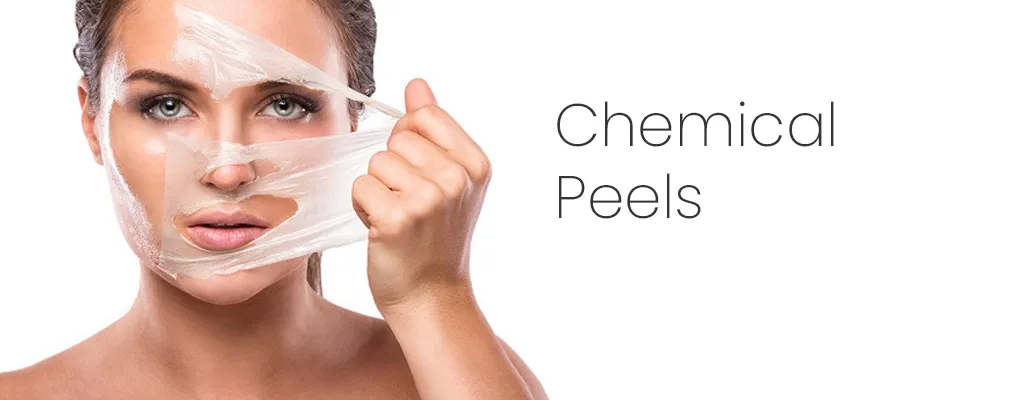
Chemical peels in riyadh(التقشير الكيميائي في الرياض)are often considered the "second line" of defense for melasma, stepping in when topical creams alone aren’t enough to shift stubborn pigment. They work by creating a controlled injury to the skin, triggering a "shedding" of the melanin-heavy epidermal layers and stimulating new, evenly toned cells to rise to the surface.
However, treating melasma with peels requires a "slow and steady" mindset. Because melasma is a highly reactive condition, overly aggressive peels can actually trigger inflammation and cause rebound hyperpigmentation, making the dark patches even darker.
1. Targeted Ingredients for Melasma (2026 Trends)
Not all peels are created equal. Modern treatments focus on "intelligent exfoliation"—removing pigment while simultaneously suppressing the enzymes that create it.
| Peel Type | Best For... | Why It Works |
| Glycolic Acid (AHA) | Surface-level pigment | The smallest molecule AHA; it penetrates deeply and quickly to disperse melanin aggregates. |
| Lactic Acid | Sensitive skin | A gentler AHA that hydrates while it exfoliates. It also has a natural ability to inhibit tyrosinase (the pigment enzyme). |
| Salicylic Acid (BHA) | Oily/Acne-prone skin | Lipophilic (oil-loving), making it great for patients who deal with both breakouts and melasma. |
| Jessner’s Peel | Stubborn, mixed melasma | A powerhouse combo of Lactic, Salicylic, and Resorcinol. It’s highly effective for "lifting" deep-seated pigment. |
| TCA (Trichloroacetic Acid) | Severe/Dermal melasma | Used at lower concentrations (10–15%) for melasma. It reaches deeper but carries a higher risk of side effects. |
| BioRePeelCl3 / Cosmelan | Professional grade | These "no-downtime" or "mask-style" peels are the current gold standard, using biphasic technology to bypass surface trauma. |
2. The Golden Rule: The "Priming" Phase
You cannot walk into a clinic and get a melasma peel on day one. To prevent the skin from "panicking" and producing more pigment, you must prime for 2–4 weeks beforehand:
-
Tyrosinase Inhibitors: Use ingredients like Hydroquinone (2–4%), Kojic Acid, or Azelaic Acid to "put the pigment cells to sleep."
-
Retinoids: Tretinoin helps speed up cell turnover so the peel can penetrate more evenly.
-
Strict Sun Protection: If your skin is tanned or sun-damaged, the peel is much more likely to cause scarring or Post-Inflammatory Hyperpigmentation (PIH).
3. Risks & Safety for Darker Skin Tones
For individuals with Fitzpatrick Skin Types IV–VI (Brown to Black skin), the risk of PIH is significant.
-
Avoid Deep Peels: Phenol or high-strength TCA peels are generally avoided as they can cause permanent white spots (hypopigmentation).
-
Patch Testing: Always ensure your practitioner performs a patch test to see how your melanocytes react to the specific acid concentration.
4. Post-Peel Aftercare
The success of the treatment is 50% the peel and 50% what you do at home.
-
Hands Off: Never pick or pull at peeling skin. This is the #1 cause of scarring.
-
Cool Water Only: Avoid hot showers or steam for at least 48–72 hours to keep inflammation low.
-
Physical Sunblock: Use a mineral sunscreen (Zinc Oxide or Titanium Dioxide). Chemical sunscreens can sometimes generate heat in the skin, which melasma hates.
-
Bland Moisturizing: Use "slugging" techniques with petroleum-based

 Arabic
 French
 Spanish
 Portuguese
 Deutsch
 Turkish
 Dutch
Dutch
 Italiano
 Russian
 Romaian
 Portuguese (Brazil)
 Greek
Greek