


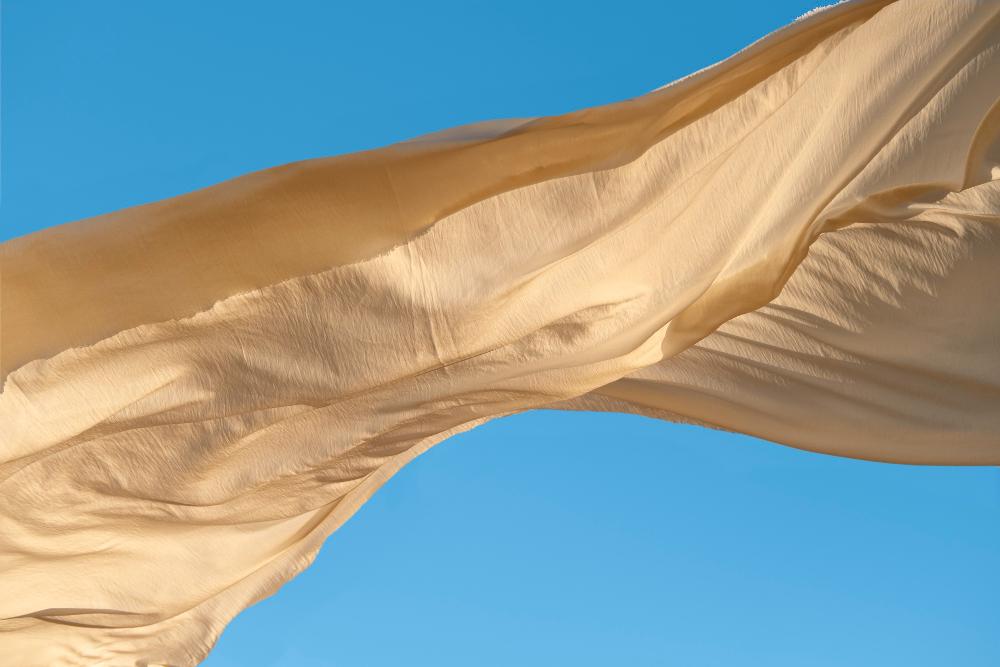
Summer in Egypt brings intense heat. Temperatures routinely climb above 40°C (104°F), turning a simple walk down the street into a test of endurance. While lightweight cotton often gets the spotlight, another contender quietly outperforms many natural fibers in these harsh conditions: Rayon.
Choosing the right material determines your comfort level throughout the day. You need clothing that breathes, manages moisture, and sits lightly on the skin. This is where Rayon Fabric Clothing proves its worth. It offers a unique combination of comfort and practicality that suits the dry, scorching climate of North Africa perfectly.
Fabriclore Pvt Ltd recognizes this need. As a leader in the textile industry, Fabriclore understands that material choice makes or breaks a summer collection. Whether you are a consumer looking for relief from the sun or a business involved in Garment Manufacturing, understanding the mechanics of Rayon is the first step toward better summer wear.
What Sets Rayon Apart?
Rayon is not quite synthetic, but not entirely natural either. It sits in a category known as semi-synthetic. Manufacturers create it from regenerated cellulose, typically sourced from wood pulp or bamboo. This origin story gives Rayon the best of both worlds. It retains the breathable, absorbent qualities of plant-based fibers like cotton and linen, but manufacturing processes allow for a smoother, silk-like finish that natural fibers rarely achieve on their own.
The fiber structure of Rayon allows it to be extremely versatile. It can mimic the texture of silk, wool, cotton, or linen. However, unlike fully synthetic fibers such as polyester or nylon—which trap heat and sweat against the body—Rayon permits airflow. This fundamental difference makes it a superior option for high-temperature environments.
Why Rayon Wins in the Heat
When you break down the technical properties of Rayon, its suitability for summer becomes clear. It addresses the three main complaints people have about summer clothing: heat retention, sweat accumulation, and skin irritation.
Superior Moisture Absorption
Sweating is the body’s natural cooling mechanism, but clothes that stay wet make you feel hotter and stickier. Rayon is highly absorbent—even more so than cotton. It pulls moisture away from the skin and allows it to evaporate. This keeps the wearer feeling dry even during the peak afternoon sun.
Breathability and Airflow
Heat needs to escape. Tightly woven synthetics act like a plastic bag, trapping body heat. Rayon fibers are breathable. They allow air to circulate between the fabric and the skin. This circulation is vital in a climate like Egypt’s, where stagnant air trapped inside clothing can lead to overheating quickly.
Lightweight and Fluid Drape
Heavy fabrics weigh you down. Rayon has a naturally thin and lightweight profile. It does not cling to the body like spandex or heavy cotton blends. Instead, it hangs loosely. This "drape" reduces friction against the skin, minimizing the risk of heat rashes and chafing, which are common issues in hot weather.
The Perfect Match for Egypt’s Climate
Egypt presents a specific climatic challenge. Cairo and the southern regions experience dry heat, while the Delta and coastal cities like Alexandria face high humidity. Rayon Fabric Clothing handles both scenarios effectively.
In dry heat, the primary goal is covering the skin to protect it from the sun without trapping warmth. Long-sleeved Rayon tunics or loose trousers offer sun protection while maintaining airflow. The fabric feels cool to the touch, providing immediate relief when you put it on.
In humid areas, the challenge shifts to moisture management. High humidity stops sweat from evaporating efficiently. Because Rayon absorbs moisture so well, it helps manage that damp feeling better than polyester blends, which simply let sweat sit on the skin.
Furthermore, Egyptian style often favors modest, flowing silhouettes. Rayon supports this aesthetic perfectly. Its ability to hold vibrant dyes also means it fits well with the colorful, expressive fashion often seen in local markets and high-end boutiques alike.
Things to Consider When Buying Rayon
While Rayon performs exceptionally well, you must select the right type to get the maximum benefit. Not all Rayon is equal, and understanding the nuances helps you make a better purchase.
Check the Care Label
Rayon can be fragile when wet. Some variants shrink if washed in hot water or dried in a machine. Look for "High Wet Modulus" (HWM) Rayon or Lyocell variants if you want something more durable that withstands machine washing. Standard Viscose Rayon often requires dry cleaning or hand washing in cold water.
Weave Matters
The way the fabric is constructed impacts its breathability. A loose weave allows more air to pass through than a tight satin weave. For the absolute coolest experience, look for plain weaves or challis, which are lightweight and maximize airflow.
Fabric Blends
Manufacturers often blend Rayon with other fibers to improve durability. A blend of Rayon and Linen, for example, reduces the wrinkling common with Linen while maintaining the cooling properties of both. Avoid blends with high percentages of polyester, as this negates the breathable benefits of the Rayon.
Fabriclore Pvt Ltd: Leading the Way in Manufacturing
For fashion brands and businesses, sourcing high-quality Rayon is critical. This is where Fabriclore Pvt Ltd establishes itself as a premier partner. As one of the best Clothing & Manufacturing Companies in the industry, Fabriclore streamlines the complex process of Woven Fabric Garmenting.
Tech-Enabled Sourcing
Fabriclore leverages technology to remove the opacity often found in textile sourcing. Their platform allows brands to track orders, check quality parameters, and ensure on-time delivery. This transparency builds trust and allows fashion labels to plan their collections with certainty.
Customization and Low MoQ
Many manufacturers demand massive Minimum Order Quantities (MoQs), shutting out smaller labels or boutique designers. Fabriclore supports businesses of all sizes by offering lower MoQs. They provide fully customized fabric designs, dyeing, and printing. This flexibility allows brands to experiment with Rayon Fabric Clothing designs without committing to thousands of units upfront.
Expertise in Woven Fabric Garmenting
Creating garments from Rayon requires specific expertise because the fabric can be slippery and difficult to cut. Fabriclore’s specialized knowledge in Woven Fabric Garmenting ensures that the final product maintains its shape and quality. Their strict quality control processes mean that every yard of fabric and every finished garment meets international standards.
Summary
Surviving the Egyptian summer requires a strategic approach to clothing. You cannot simply rely on aesthetics; functionality is non-negotiable. Rayon offers the breathability, absorbency, and cooling touch required to navigate temperatures above 40°C.
For consumers, switching to Rayon Fabric Clothing means a more comfortable, dry, and stylish summer. For brands, partnering with experts like Fabriclore Pvt Ltd ensures access to top-tier materials and manufacturing processes that bring these summer-ready garments to life.
Do not let the heat dictate your day. Choose fabrics that work for you.

 Arabic
 French
 Spanish
 Portuguese
 Deutsch
 Turkish
 Dutch
Dutch
 Italiano
 Russian
 Romaian
 Portuguese (Brazil)
 Greek
Greek