


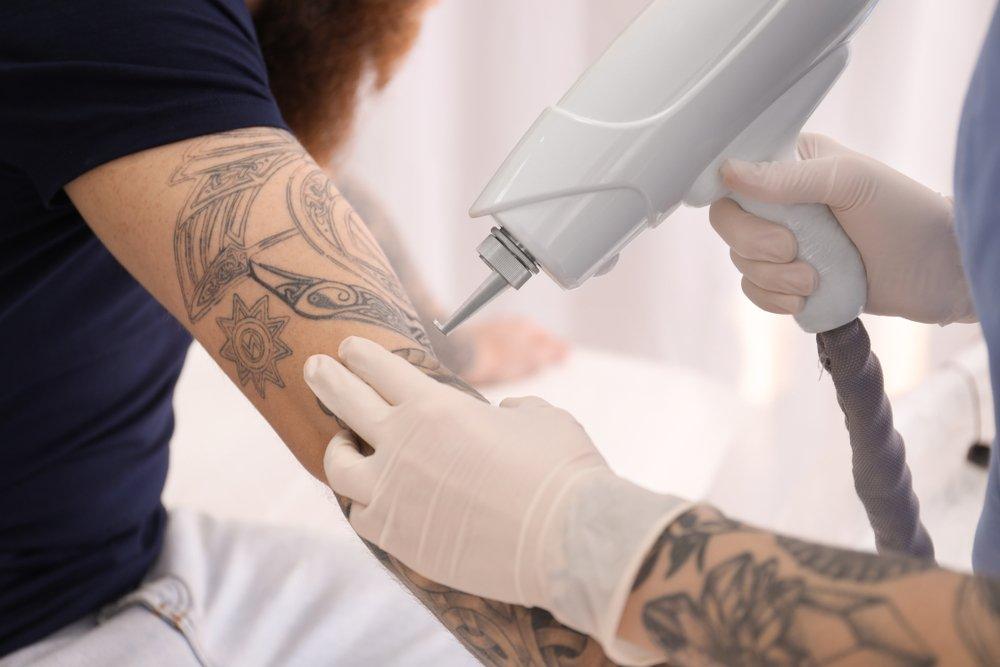
Tattoo removal is a process that requires careful planning, realistic expectations, and a tailored approach. One of the most common questions among individuals seeking to remove a tattoo is: “How many sessions will I need?” The answer is not universal, as several factors influence the number of treatments required to achieve satisfactory results. In Riyadh, where laser tattoo removal is the preferred and most effective method, understanding these factors can help patients plan their treatments and anticipate outcomes.
Many people seek permanent tattoo removal in Riyadh to safely and effectively erase unwanted ink and restore clear, smooth skin.
Laser Tattoo Removal
Factors Influencing the Number of Sessions
1. Tattoo Size
The size of the tattoo is a primary determinant of how many sessions will be needed. Small tattoos often require fewer treatments, sometimes as few as three to five sessions, depending on the ink and depth. Medium or larger tattoos generally need more sessions, as the laser must effectively target all areas of ink. Large tattoos may also be divided into sections for treatment, allowing for more precise results and reducing the risk of skin damage.
2. Tattoo Color
Different colors respond differently to laser treatment. Darker inks, such as black or deep blue, are typically easier to remove because they absorb laser energy more effectively. These tattoos may require fewer sessions compared to lighter or more vibrant colors. Colors like green, yellow, and light blue often require more sessions and advanced laser technology, as these pigments reflect more light and are harder to break down. Multi-colored tattoos generally need additional treatments to address each color effectively.
3. Tattoo Age
Older tattoos tend to fade naturally over time, which can make them easier to remove. A tattoo that has been on the skin for several years often requires fewer sessions than a new, freshly inked tattoo. New tattoos may be denser and have more concentrated ink deposits, making them more resistant to laser treatment.
4. Ink Depth and Quality
The depth at which ink has been deposited in the dermis also affects the number of sessions. Professional tattoos tend to have ink placed uniformly and deeper in the skin, which may require more sessions for complete removal. Amateur tattoos or those applied with less precision may be shallower, potentially needing fewer treatments. The quality of the ink also plays a role; high-quality, durable inks can be more resistant to laser removal.
5. Skin Type
Skin type, including pigmentation and sensitivity, influences how the body responds to laser treatment. People with lighter skin tones may see faster results, as there is less competing pigmentation for the laser energy. Darker skin tones require specialized settings to minimize the risk of hyperpigmentation or burns, which can extend the number of sessions needed for safe and effective removal.
6. Laser Technology Used
The type of laser technology employed can impact the number of treatments required. Traditional Q-switched lasers are effective but may need more sessions, particularly for colored tattoos. Advanced picosecond lasers deliver ultra-short pulses, allowing for more precise ink fragmentation and often reducing the total number of sessions needed. Clinics in Riyadh frequently offer both types and may recommend the best technology based on the tattoo’s characteristics.
7. Individual Healing Response
Every person’s body responds differently to laser treatments. The immune system plays a key role in clearing fragmented ink particles from the skin. Individuals with a strong healing response may see results faster and require fewer sessions. Factors such as age, overall health, and lifestyle habits like smoking or nutrition can influence healing and, therefore, the treatment schedule.
Typical Treatment Schedule
In Riyadh, most tattoos require multiple sessions spaced several weeks apart. The standard interval between sessions is generally three to six weeks. This spacing allows the skin to heal properly and gives the body time to eliminate broken-down ink particles. Attempting sessions too close together can increase the risk of side effects, including scarring or pigment changes, while also being less effective.
For small black tattoos, three to six sessions may suffice. Larger, colored, or professionally done tattoos may require ten or more sessions. Some particularly stubborn tattoos may need even more treatments. During the initial consultation, a specialist will assess the tattoo and provide a realistic estimate of the number of sessions required.
Expectations and Realistic Outcomes
It is important for patients to understand that complete removal may not always be possible in every case. Factors such as ink type, color, and individual healing response can result in slight residual traces even after multiple sessions. However, professional laser treatment usually achieves significant fading or complete removal in the majority of cases.
Clear communication with the clinic is essential. Patients should discuss their goals, review before-and-after examples, and understand the potential need for multiple sessions before committing to a treatment plan.
Conclusion
The number of sessions needed for effective tattoo removal in Riyadh varies widely depending on tattoo size, color, age, depth, skin type, laser technology, and individual healing response. While small, dark tattoos may be removed in as few as three to five sessions, larger, colorful, or professionally applied tattoos can require ten or more treatments. Spacing sessions appropriately, maintaining skin health, and following aftercare instructions all contribute to achieving the best results. Consulting with an experienced professional ensures a personalized plan, realistic expectations, and safe, effective tattoo removal.

 Arabic
 French
 Spanish
 Portuguese
 Deutsch
 Turkish
 Dutch
Dutch
 Italiano
 Russian
 Romaian
 Portuguese (Brazil)
 Greek
Greek