


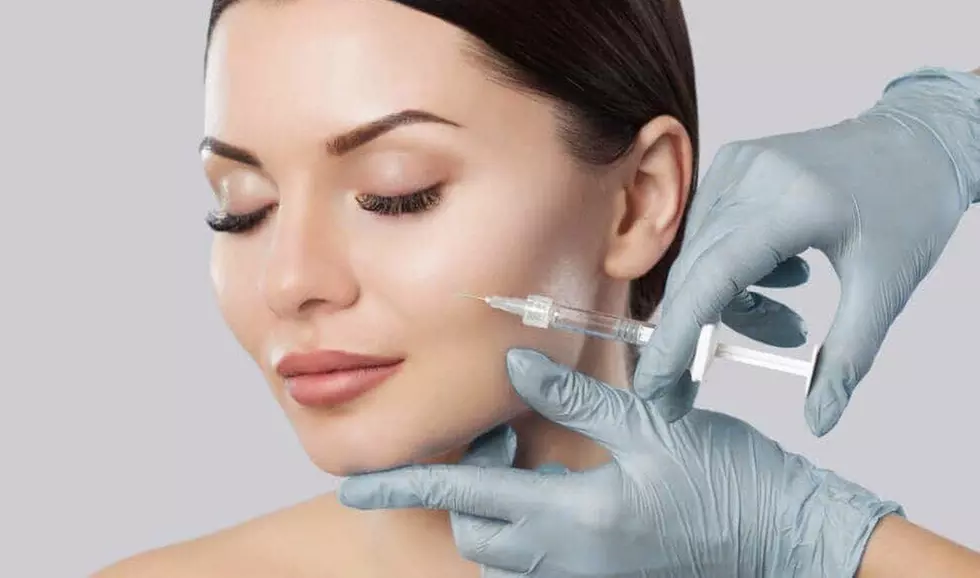
The Science of Sculpt: Understanding How Modern Fillers Work
The art of facial rejuvenation has moved far beyond simple "line filling" to a sophisticated medical practice rooted in deep anatomical science. As individuals explore the possibilities of Dermal fillers in Riyadh(حشوات الجلدية في الرياض), the conversation has shifted toward structural restoration—understanding how different substances interact with the body’s tissues to recreate youthful contours. Modern fillers are no longer just passive gels; they are bio-engineered tools designed to mimic natural facial components, stimulate cellular activity, and provide a scaffold for the skin’s own regenerative processes. By delving into the biochemistry and physics of these injectables, patients can better appreciate how a few milliliters of product can achieve a balanced, three-dimensional "sculpt" that looks natural both at rest and in motion.
The Architecture of the Skin: Why We Need Fillers
To understand how fillers work, one must first understand what they are replacing. The youthful face is supported by a complex "scaffold" consisting of three primary elements:
-
Hyaluronic Acid (HA): A natural sugar molecule that holds up to 1,000 times its weight in water, keeping the skin hydrated and plump.
-
Collagen: The structural protein that acts as the "bricks" of the skin, providing firmness.
-
Elastin: The protein that allows skin to "snap back" after stretching or moving.
As we age, the production of these elements slows down, and the underlying fat pads and bone structure begin to change. This leads to a loss of the "Triangle of Youth"—where the widest part of the face shifts from the cheekbones down to the jawline. Modern fillers are designed to re-establish this foundation by providing internal support that lifts the overlying skin.
The Physics of Fillers: G-Prime and Cohesivity
Not all fillers feel or act the same way once injected. In the world of aesthetic science, practitioners look at specific physical properties to decide which product is right for a specific area:
-
G-Prime (Elasticity): This refers to the "hardness" or lifting capacity of the gel. A filler with high G-Prime is firm and acts like a structural pillar; it is used for deep injections on the bone to create sharp cheekbones or a defined jawline. A low G-Prime filler is soft and flexible, making it ideal for mobile areas like the lips or under the eyes.
-
Cohesivity: This is how well the gel sticks together. High cohesivity ensures that the filler stays where it is placed and resists spreading, which is crucial for precise contouring.
-
Cross-Linking: Raw hyaluronic acid is a liquid that the body would metabolize in days. Scientists use "cross-linking" (often using a stabilizing agent called BDDE) to create a web-like structure that makes the gel durable, allowing it to last for months or even years.
Two Scientific Approaches: Passive vs. Active Fillers
Modern aesthetic medicine categorizes fillers into two functional groups based on their mechanism of action.
1. Passive Volumizers (Hyaluronic Acid)
These are the most common fillers. Their primary function is immediate volumization. Because HA is "hydrophilic" (water-loving), it draws moisture from the surrounding tissues into the gel. This creates an immediate plumping effect that smooths out wrinkles and restores lost volume instantly. They are essentially a "replacement therapy" for the HA your body has stopped producing in abundance.
2. Active Biostimulators (PLLA and CaHA)
Unlike HA fillers, biostimulators like Poly-L-lactic Acid (PLLA) or Calcium Hydroxylapatite (CaHA) work by triggering a biological response.
-
The Scaffold Effect: When injected, these micro-particles act as a temporary scaffold.
-
Neocollagenesis: The presence of these particles signals the body’s fibroblasts (the cells responsible for collagen) to migrate to the area and begin producing new, natural collagen fibers.
-
The Result: While the filler material eventually dissolves, it leaves behind a network of the patient's own collagen, providing a result that is often more gradual but significantly longer-lasting.
Integration: The "Invisible" Result
A key breakthrough in filler science is tissue integration. In the past, fillers could sometimes be felt as hard lumps or seen as a bluish tint under thin skin (known as the Tyndall effect). Modern formulations use monophasic and biphasic technologies to ensure the gel blends seamlessly into the dermal layers. This allows the filler to move naturally with your facial expressions—whether you are smiling, frowning, or speaking—ensuring that the enhancement is invisible to the naked eye.
The Metabolism of a Filler
One of the most common questions is: Where does it go? Because most modern fillers are biocompatible, the body treats them like its own natural sugars or minerals. Over time, the body’s enzymes (such as hyaluronidase) and natural metabolic processes slowly break down the filler into carbon dioxide and water, which are then naturally eliminated. This gradual degradation is why maintenance sessions are required to keep the desired aesthetic look.
Conclusion
The "Science of Sculpt" is a testament to how far cosmetic dermatology has come. By combining a deep knowledge of facial anatomy with the specific rheological properties of modern gels, practitioners can restore the structural integrity of the face with surgical-like precision. Understanding that fillers are a sophisticated blend of hydration, support, and biological stimulation allows patients to approach their treatments with confidence, knowing that the results are backed by rigorous scientific innovation.

 Arabic
 French
 Spanish
 Portuguese
 Deutsch
 Turkish
 Dutch
Dutch
 Italiano
 Russian
 Romaian
 Portuguese (Brazil)
 Greek
Greek