


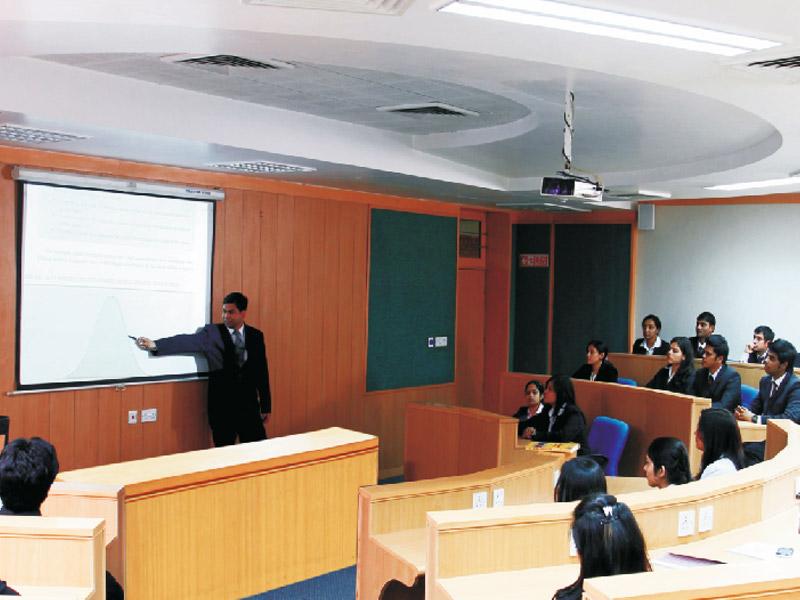
The IT education ecosystem is one of the world’s most dynamic and rapidly evolving areas, and the information technology colleges in India blend technical rigour, practical exposure, and industry alignment to prepare future tech leaders.
The b tech it course at these colleges focus not just on coding, but on shaping problem-solvers and innovators. With digital transformation everywhere, the relevance of IT education continues to grow exponentially.
The education framework is shaped by policy, curriculum structure, pedagogy, and partnerships. This article explores the layered, in-depth framework that drives India’s IT colleges today.
Curriculum Design and Regulatory Oversight
The curriculum forms the backbone, defined by a blend of national standards and institutional flexibility. The core syllabus is set by AICTE, UGC, and university boards, involving a semester-based credit system and CBCS (Choice Based Credit System).
Mandatory inclusion of mathematics, programming, and data structures. Electives in trending areas like AI, blockchain, and IoT, regular syllabus revision cycles to match industry developments, and emphasis on both theory and application-based lab work are some notable traits.
Faculty Structure and Teaching Methodology
From foundational teaching to advanced mentorship, faculty play a pivotal role in shaping IT talent. The faculty is recruited through standardised selection procedures and a blend of PhDs, industry experts, and research fellows in teaching roles.
Teaching methods include flipped classrooms, live coding, and project-based learning, adoption of different learning platforms for blended education, continuous faculty development through FDPs and certifications, and encouragement for teachers to publish research and file patents.
Lab Infrastructure and Technical Resources
Effective IT education depends heavily on access to modern labs, tools, and digital infrastructure. There are dedicated labs for programming, networking, cybersecurity, and AI, as well as cloud-based lab environments, virtual simulators, and licensed software tools.
The colleges offer high-speed campus Wi-Fi and centralised resource servers, use of LMS platforms, and integration of IoT kits, robotic arms, and VR setups in tech labs.
Industry Integration and Skill-Based Learning
To bridge the academic-industry gap, IT colleges foster hands-on training and real-world exposure. They offer mandatory internships as part of the curriculum structure, skill development partnerships, capstone projects addressing real client or community problems, codefests, and tech bootcamps are also hosted regularly.
The colleges also focus on career readiness programs, including soft skills and aptitude training, as well as incubation cells and startup hubs within campuses.
Assessment Models and Outcome Measurement
Assessment goes beyond exams as modern IT colleges adopt a layered evaluation approach. Continuous Internal Evaluation (CIE) with assignments and quizzes, external theory-practical exam split under university or autonomous boards, and rubric-based evaluation for projects and lab submissions are widespread.
Peer review systems and group evaluations for collaborative tasks, direct and indirect outcome measurement as per standard criteria, and final-year viva, thesis, or demo are also a part of academic culmination.
Research, Higher Studies, and Global Pathways
The framework also nurtures long-term growth, encouraging research, innovation, and global engagement. Funded research projects from government and private firms, research labs for areas like NLP, cloud computing, and quantum tech, as well as student participation in publishing papers and filing tech patents, enhance employability.
Tie-ups with foreign universities for joint programs, special research cells supporting GATE, GRE, and TOEFL aspirants, create opportunities for postgraduate studies, fellowships, and academic careers.
Conclusion
In conclusion, the education framework of the IT colleges in India builds future-ready tech professionals by refining their talent within a structured and multi-dimensional system. The system balances academic depth, practical training, and industry needs. The education model promotes innovation, research, and entrepreneurship. Curriculum, faculty, and labs evolve consistently with technological trends, and students graduate not just with degrees, but with job-readiness and global vision. It is this robust framework that makes Indian IT graduates highly sought-after worldwide.

 English
 Arabic
 French
 Spanish
 Portuguese
 Deutsch
 Turkish
 Italiano
 Russian
 Romaian
 Portuguese (Brazil)
 Greek
Greek