


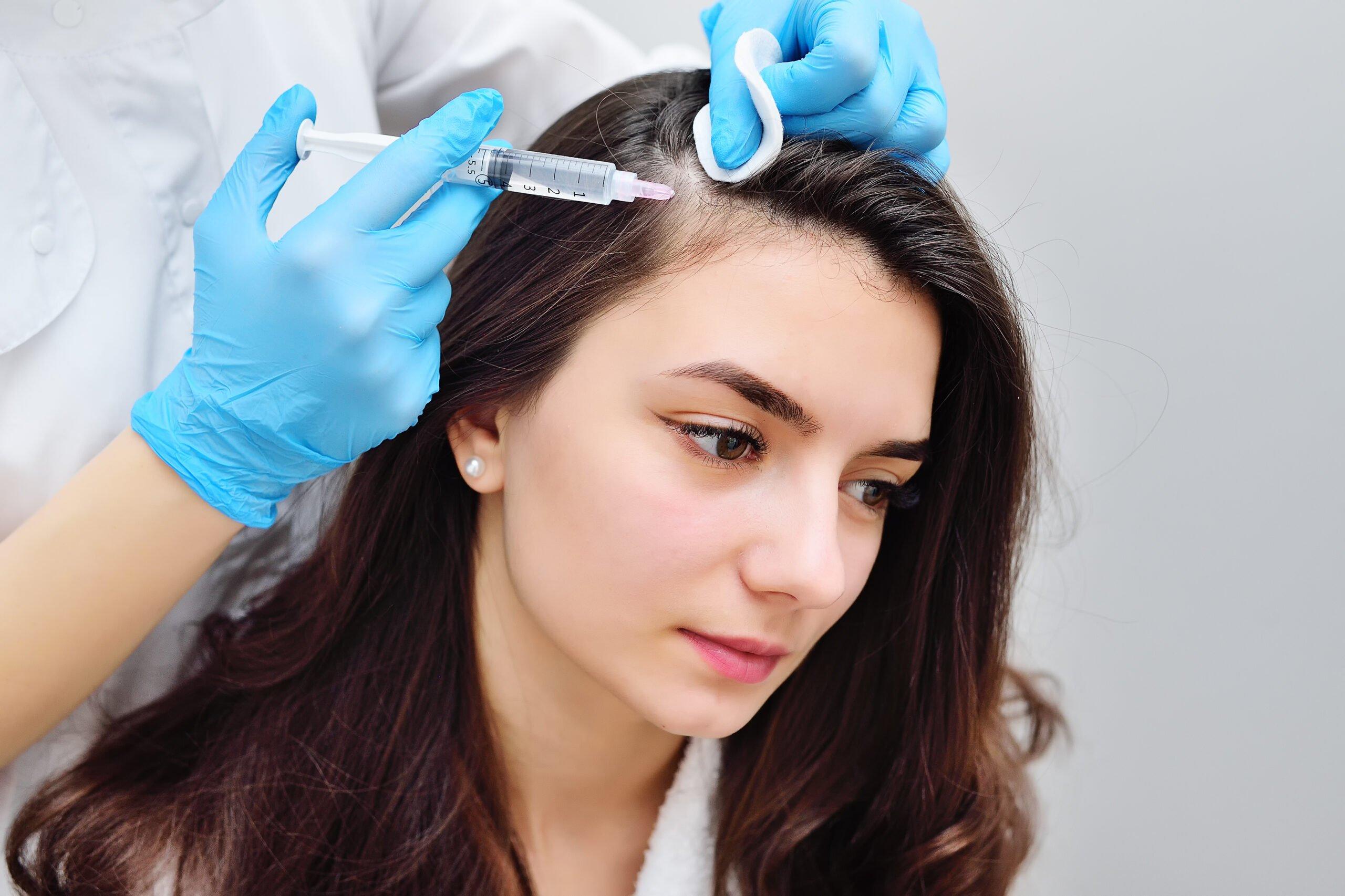
Platelet-Rich Plasma (PRP) hair treatment has gained widespread popularity as a non-surgical option for stimulating hair growth and improving the quality of thinning hair. One of the most common questions patients have before undergoing PRP therapy is how many sessions are required to achieve noticeable results. The answer is not one-size-fits-all; it depends on multiple factors, including the patient’s hair condition, the extent of hair loss, age, overall health, and response to treatment. Understanding the typical PRP session schedule can help manage expectations and optimize outcomes. Many people are exploring PRP hair treatment in Riyadh as an effective solution for thinning hair and hair loss.
PRP hair treatment generally follows a series-based approach rather than a single session. Most hair restoration specialists recommend an initial series of three to four treatments spaced about four to six weeks apart. This spacing allows the platelets and growth factors injected into the scalp to stimulate hair follicles effectively, while giving the scalp time to heal and respond to the regenerative process. The first session introduces concentrated platelets into the scalp, triggering the early stages of follicular rejuvenation. The subsequent sessions reinforce this stimulation, promoting stronger, thicker hair growth over time.
The rationale behind multiple sessions lies in the hair growth cycle. Hair follicles go through three main stages: anagen (growth phase), catagen (transition phase), and telogen (resting phase). PRP works by activating dormant follicles, prolonging the anagen phase, and improving the health of existing follicles. Since not all hair follicles are in the same phase at the same time, repeated treatments are necessary to target follicles as they cycle through different stages. This ensures that more follicles respond to the growth-promoting effects of PRP, resulting in more uniform and consistent hair improvement.
After the initial series of treatments, most patients require maintenance sessions to sustain results. Maintenance intervals vary but typically range from every three to six months, depending on individual response and the progression of hair loss. Regular maintenance helps reinforce the effects of PRP, prevent thinning from recurring, and improve overall scalp health. Skipping maintenance sessions may lead to a gradual reduction in results, as the hair follicles may return to their previous weakened state over time.
The total number of PRP sessions also depends on the patient’s hair loss severity. Individuals with mild thinning may notice improvement after the first two or three sessions and may require only occasional maintenance treatments. In contrast, those with more advanced thinning or early-stage baldness may need additional sessions to stimulate dormant follicles and achieve visible hair density. Each patient’s response can vary widely, which is why treatment plans are often personalized after a thorough assessment of hair condition and follicle activity.
Other factors influencing the number of sessions include age, overall health, and lifestyle. Younger patients with good scalp circulation and healthy follicles tend to respond more quickly to PRP and may require fewer sessions. Conversely, older patients or those with chronic illnesses, poor nutrition, or high levels of stress may experience slower hair growth and may need more frequent treatments to achieve satisfactory results. Lifestyle choices, such as smoking, excessive alcohol consumption, and lack of proper hair care, can also impact how the follicles respond to PRP, potentially extending the number of sessions needed.
It is important to note that while PRP can significantly improve hair density and thickness, it is not a permanent cure for hair loss. The results vary among individuals, and repeated sessions are essential to maintain long-term benefits. PRP is often combined with other hair restoration methods, such as topical treatments, oral medications, or hair transplant procedures, to maximize outcomes. In such cases, the number of PRP sessions may be adjusted based on the overall treatment plan and the patient’s progress.
The initial consultation with a hair restoration specialist plays a critical role in determining the exact number of PRP sessions. During this evaluation, the practitioner examines the scalp, assesses the severity and pattern of hair loss, reviews the patient’s medical history, and considers factors such as hair texture, thickness, and follicle health. Blood tests may also be conducted to ensure adequate platelet levels, which are essential for optimal PRP effectiveness. This personalized approach allows the specialist to recommend a treatment schedule that balances effectiveness, safety, and convenience for the patient.
In conclusion, the typical PRP hair treatment regimen involves an initial series of three to four sessions spaced four to six weeks apart, followed by ongoing maintenance treatments every three to six months. The exact number of sessions varies depending on the severity of hair loss, individual response, age, overall health, and lifestyle factors. Multiple sessions are necessary to stimulate hair follicles effectively and align with the natural hair growth cycle. With a carefully planned and personalized treatment schedule, PRP can provide noticeable improvements in hair density, thickness, and overall scalp health, making it a valuable non-surgical option for managing hair thinning and hair loss.

 Arabic
 French
 Spanish
 Portuguese
 Deutsch
 Turkish
 Dutch
Dutch
 Italiano
 Russian
 Romaian
 Portuguese (Brazil)
 Greek
Greek