


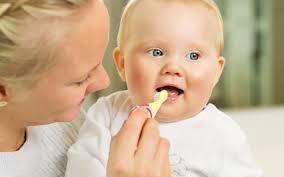
Ensuring your baby’s dental health begins with understanding when to start brushing baby teeth. Many new parents are eager to establish good oral hygiene habits early on, but knowing the right time to introduce brushing can be confusing. This guide provides comprehensive insights into the appropriate age to start brushing your baby's teeth, along with effective dental care tips to promote healthy development. Starting early can set the foundation for a lifetime of healthy smiles, so let’s explore how and when to begin.
The Importance of Early Dental Care
Starting dental care early is crucial for preventing cavities, gum disease, and other oral health issues. Baby teeth serve as placeholders for permanent teeth and play a vital role in speech development and proper chewing. Neglecting their early care can lead to pain, infections, and future orthodontic problems. Recognizing when to start brushing baby teeth is a vital step in establishing lifelong oral hygiene habits. It’s never too early to begin gentle cleaning routines, even before the first tooth erupts.
When Do Baby Teeth Usually Erupt?
Most babies begin teething between 4 to 7 months, though some may start as early as 3 months or as late as 12 months. Typically, the lower front teeth (lower central incisors) appear first, followed by the upper front teeth. By age 3, most children will have a full set of 20 primary teeth. Understanding this timeline helps parents determine when to start brushing baby teeth effectively. Once the first tooth appears, it’s time to introduce gentle cleaning routines to protect those tiny teeth.
The Right Age To Start Brushing Baby Teeth
So, when to start brushing baby teeth? The general recommendation is to begin as soon as the first tooth erupts. Using a soft-bristled infant toothbrush or a clean, damp cloth, parents should gently wipe their baby’s gums and emerging teeth twice daily. This early start helps remove bacteria, milk residue, and sugars that can cause decay. It also familiarizes your little one with a routine, making future brushing habits easier to establish.
Dental Care Tips for New Parents
Implementing dental care tips early can significantly influence your child's oral health. Here are some essential tips:
- Use a smear of fluoride toothpaste (about the size of a grain of rice) once the first tooth appears.
- Avoid putting your baby to bed with a bottle filled with milk or juice to prevent sugar buildup.
- Clean your baby’s gums with a soft cloth before teeth emerge to maintain oral hygiene.
- Schedule your child's first dental visit by their first birthday or within six months of the first tooth eruption.
- Be gentle and patient; make brushing a positive experience to foster cooperation.
Remember, early dental visits allow professionals to monitor development and provide personalized guidance on dental care.
How to Make Brushing Baby Teeth Easier
Getting your baby accustomed to brushing requires patience and creativity. Here are some tips to make the experience enjoyable:
- Choose a colorful, soft-bristled toothbrush designed for infants.
- Use flavored, age-appropriate toothpaste to make brushing more appealing.
- Sing songs or tell stories during brushing to distract and entertain your little one.
- Let your baby hold the toothbrush and explore it to build comfort.
- Brush together to model good habits and show that brushing is fun.
Starting early and making it a positive activity helps your child develop good oral hygiene habits that last a lifetime.
Common Challenges and How to Overcome Them
Many parents face hurdles when trying to brush their baby’s teeth. Common challenges include resistance from the child, fear of the toothbrush, or forgetfulness. To overcome these issues:
- Be consistent with your routine so your baby knows what to expect.
- Use positive reinforcement like praise or small rewards.
- Keep sessions short and sweet, especially during initial stages.
- Gradually increase brushing time as your child becomes more comfortable.
- If your child is resistant, try letting them watch you brush your teeth or use a favorite toy to demonstrate.

 Arabic
 French
 Spanish
 Portuguese
 Deutsch
 Turkish
 Dutch
Dutch
 Italiano
 Russian
 Romaian
 Portuguese (Brazil)
 Greek
Greek