


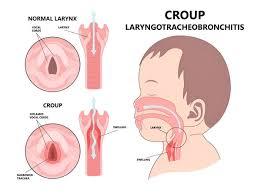
Croup disease is a common respiratory condition that primarily affects young children. While it is generally manageable, understanding its contagious nature and associated risks is essential for parents, caregivers, and health enthusiasts committed to maintaining health and wellness. This comprehensive guide explores what croup disease is, how it spreads, the symptoms, prevention strategies, and the risks involved. By the end, you'll have a clear understanding of how to protect yourself and your loved ones from this contagious illness.
What Is Croup Disease?
Croup disease is an infection that causes inflammation of the larynx (voice box), trachea (windpipe), and bronchi (airways). It is characterized by a distinctive barking cough, hoarseness, and difficulty breathing. The condition is most common in children between 6 months and 3 years old, though older children and even adults can sometimes develop it.
The primary cause of croup is viral infections, with the parainfluenza virus being the most prevalent culprit. Other viruses, such as influenza, adenovirus, and RSV (respiratory syncytial virus), can also lead to croup. The viral nature of croup makes understanding its contagiousness critical for effective prevention and management.
How Is Croup Disease Contagious?
Croup disease contagious is primarily spread through respiratory droplets when an infected person coughs, sneezes, or talks. These droplets can land in the mouths or noses of nearby individuals or be inhaled into their lungs, facilitating the transmission of the virus.
Children are particularly susceptible because their immune systems are still developing, and they tend to have close contact with peers at daycare or school. Additionally, the virus can survive on surfaces like toys, doorknobs, and other objects, making indirect contact a potential route of infection.
The incubation period for croup—time from exposure to symptom onset—is typically 1 to 3 days. During this period, an infected individual may already be contagious, even before symptoms appear. This makes it particularly important to practice good hygiene and avoid close contact with infected persons during outbreaks.
Recognizing the Symptoms and When to Seek Help
Early recognition of croup symptoms can lead to prompt treatment and reduce the risk of complications. Common signs include:
- Barking cough, often worse at night
- Hoarseness
- Inspiratory stridor (a high-pitched sound when breathing in)
- Difficulty breathing or rapid breathing
- Fever
- Restlessness or irritability in young children
In mild cases, symptoms may resolve without medical intervention. However, if a child exhibits signs of difficulty breathing, bluish lips, or persistent high fever, immediate medical attention is necessary. Severe croup may require hospitalization, oxygen therapy, or other interventions to ensure airway stability.
Prevention Strategies to Reduce Contagion
Preventing the spread of croup disease contagious involves a combination of hygiene practices and environmental control measures. These strategies are essential components of health and wellness when managing contagious illnesses.
-
Hand Hygiene: Encourage frequent handwashing with soap and water for at least 20 seconds, especially after coughing, sneezing, or touching shared surfaces.
-
Respiratory Etiquette: Teach children to cover their mouths and noses with a tissue or elbow when coughing or sneezing and dispose of tissues properly.
-
Avoid Close Contact: During outbreaks, limit close contact with infected individuals, and avoid sharing toys or other objects that may harbor the virus.
-
Clean and Disinfect: Regularly disinfect commonly touched surfaces, such as doorknobs, light switches, and toys, to minimize indirect transmission.
-
Vaccination and General Immunity: While there is no vaccine specifically for croup, maintaining overall health and wellness through a nutritious diet, adequate sleep, and regular medical checkups strengthens the immune system against viral infections.
-
Stay Home When Sick: Children and caregivers should stay home from daycare or school if they exhibit symptoms of croup or other respiratory illnesses to prevent spreading the virus.
Risks and Complications Associated with Croup
While most cases of croup are mild and resolve within a few days, there are potential risks and complications if the condition worsens or is left untreated. Understanding these risks underscores the importance of early detection and proper management.
Breathing Difficulties
Severe swelling of the airway can cause significant breathing difficulties, leading to distressed breathing or respiratory failure in extreme cases. Young children with small airways are particularly vulnerable.
Bacterial Superinfection
Though croup is viral, secondary bacterial infections can develop, leading to complications such as pneumonia or bacterial tracheitis. This underscores the importance of monitoring symptoms and consulting healthcare providers.
Risk of Recurrence
Some children may experience recurrent episodes of croup, especially if they have underlying respiratory conditions like asthma or allergies. Managing these conditions can reduce the frequency and severity of episodes.
Potential for Spread to Others
Given its contagious nature, unrecognized or poorly managed croup can quickly spread within households or community settings, emphasizing the importance of hygiene and early intervention.
The Role of Health and Wellness in Managing and Preventing Croup
Maintaining good health and wellness is fundamental to reducing the risk of catching or spreading croup disease. A robust immune system can significantly decrease susceptibility to viral infections.
Key aspects include:
- Balanced Nutrition: A diet rich in fruits, vegetables, lean proteins, and whole grains supports immune health.
- Regular Exercise: Physical activity boosts overall health and immune function.
- Adequate Sleep: Rest is crucial for immune recovery and resilience.
- Stress Management: Chronic stress can weaken immune responses; practices like mindfulness or relaxation techniques can help.
- Routine Medical Checkups: Regular visits to healthcare providers help detect underlying health issues early and ensure vaccinations are up to date.
By integrating these wellness strategies, families can create a healthier environment that minimizes the impact of contagious illnesses like croup.
Final Thoughts: Staying Informed and Prepared
Understanding croup disease contagiousness and its associated risks enables proactive measures to safeguard children and adults alike. While croup is often a mild illness, its contagious nature necessitates vigilance, good hygiene, and prompt medical attention when needed.
Promoting health and wellness not only helps prevent croup but also enhances overall quality of life. Educating caregivers and children about transmission routes, symptoms, and prevention strategies fosters a healthier, safer community.
In conclusion, awareness and responsible practices are vital in controlling the spread of croup. With proper knowledge and precautions, parents and caregivers can ensure their children recover swiftly and stay protected from future episodes.

 English
 Arabic
 French
 Spanish
 Portuguese
 Deutsch
 Turkish
 Dutch
Dutch
 Italiano
 Russian
 Romaian
 Greek
Greek