


Construction projects today are far more complex than they were just a decade ago. Buildings now include advanced structural systems, smart technologies, energy-efficient designs, and tightly integrated mechanical and electrical networks. In a fast-developing region like the UAE, where projects range from iconic skyscrapers to mega malls, airports, and mixed-use communities, precision is no longer optional. It is essential.
Even small design mistakes can lead to major consequences. A misplaced duct, an incorrect beam alignment, or an underestimated service space can delay construction, increase costs, and force contractors to redo completed work. Traditional 2D drawings often fail to reveal these issues early, leaving problems to surface only during construction.
Understanding What a BIM Model Really Is
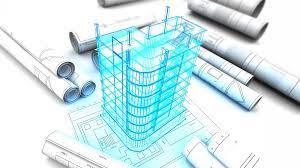
A BIM model, short for Building Information Modeling model, is a digital replica of a building that contains both geometry and detailed information about every component.
Unlike traditional drawings that only show shapes and dimensions, BIM elements carry embedded data. A wall is not just a line. It includes material type, thickness, fire rating, and cost. A pipe contains size, system information, and installation details.
This combination of 3D visualization and intelligent data makes BIM much more powerful than conventional drafting tools.
It allows project teams to see exactly how a building will perform before it is built.
In simple terms, a BIM model acts as a virtual construction site where everything can be tested digitally first.
Why Design Accuracy Matters in UAE Projects
Accuracy is especially critical in the UAE construction environment. Projects often operate under tight deadlines, premium budgets, and high client expectations.
Large-scale developments such as luxury towers, hotels, hospitals, and infrastructure projects leave little room for mistakes. A small design error can trigger delays that impact entire schedules.
For example, relocating a wrongly placed service after installation may require dismantling ceilings, reworking finishes, and reordering materials. This wastes time and increases costs significantly.
By improving design accuracy early, BIM helps avoid these disruptions.
When problems are solved during planning instead of construction, projects run more smoothly and predictably.
Creating a Single Source of Truth
One major cause of errors in construction is miscommunication between disciplines.
Architects, structural engineers, and MEP consultants often work separately. Each team produces its own drawings, and inconsistencies arise when these drawings do not align perfectly.
A BIM model solves this issue by creating one shared digital environment.
All disciplines contribute to the same coordinated model. Everyone works with the same updated information.
This eliminates confusion and ensures that:
• Dimensions match across systems
• Spaces are properly allocated
• Designs align with each other
• Changes are reflected instantly
With one source of truth, accuracy improves across the board.
Teams no longer rely on guesswork or outdated documents.
Detecting Clashes Before Construction
Clash detection is one of the most effective ways BIM reduces errors.
Clashes occur when two or more components occupy the same physical space. For example, an air duct passing through a beam or a cable tray interfering with plumbing lines.
In traditional workflows, these conflicts are discovered on site, causing rework and delays.
With BIM, clashes are detected digitally.
Specialized software automatically scans the model and highlights conflicts. Teams can fix problems during the design phase, long before materials reach the site.
This proactive process:
• Prevents reinstallation
• Reduces material waste
• Saves labor hours
• Keeps schedules intact
For large UAE developments, early clash detection can save millions of dirhams.
Improving Spatial Planning and Fit
Buildings have limited space. Multiple systems must coexist within ceilings, shafts, and service areas.
Without accurate planning, overcrowding becomes a serious issue.
BIM models allow teams to visualize and test layouts in 3D. Designers can check whether equipment fits properly and whether maintenance access is sufficient.
This ensures systems are installed correctly without forcing last-minute adjustments.
Better space planning leads to:
• Cleaner installations
• Easier maintenance
• Improved safety
• Higher construction quality
Precision at this level greatly reduces future problems.
Supporting Better Decision Making
A BIM model provides more than visualization. It offers data-driven insights that support smarter decisions.
Project managers can analyze quantities, materials, and costs directly from the model. Engineers can test design alternatives and evaluate performance.
This helps teams choose the most efficient solutions early.
Instead of reacting to problems later, decisions are made proactively based on accurate information.
Better planning reduces risks and improves overall outcomes.
For UAE developers working with tight budgets and timelines, this control is extremely valuable.
Enhancing Construction Execution
The benefits of BIM continue during construction.
Site teams use models to generate shop drawings, installation guides, and sequencing plans. Workers receive clear instructions, reducing misunderstandings and errors.
Instead of interpreting complex drawings, they see exactly where elements should go.
This improves productivity and accuracy on site.
Contractors can also simulate construction sequences digitally, identifying potential bottlenecks before work begins.
Better preparation leads to smoother execution and fewer delays.
The result is faster project delivery with fewer costly corrections.
Reducing Financial Risks
Every construction mistake has a cost. Rework, wasted materials, and schedule extensions quickly add up.
By reducing errors, BIM directly protects budgets.
Key financial benefits include:
• Fewer change orders
• Lower labor costs
• Reduced material waste
• Better cost estimation
• More predictable timelines
This makes BIM not just a technical improvement but a financial strategy.
Investing in accurate modeling saves money over the entire project lifecycle.
Professional BIM Modeling Expertise
While BIM software is powerful, its effectiveness depends on how it is implemented. Skilled professionals are needed to create accurate, coordinated models.
Many developers in the UAE rely on experienced consultants to ensure the highest standards.
Companies such as AEC7D provide specialized BIM modeling and coordination services across architectural, structural, and MEP disciplines. Their expertise helps teams detect clashes early, improve design precision, and reduce construction risks.
Working with professionals ensures maximum value from BIM adoption.
Long-Term Benefits Beyond Construction
BIM models remain useful even after a project is completed.
Facility managers can use the model to locate systems, schedule maintenance, and track assets. Instead of searching through paper documents, all information is available digitally.
This improves operational efficiency and reduces long-term maintenance costs.
As the UAE moves toward smart buildings and sustainable infrastructure, BIM plays a critical role in lifecycle management.
Accuracy during design translates into better performance throughout the building’s life.
Final Thoughts
Construction errors are expensive, stressful, and often avoidable. In today’s complex UAE projects, relying on traditional methods is no longer enough.
A BIM model improves design accuracy by integrating all disciplines, detecting clashes early, enhancing collaboration, and providing reliable data for decision-making. These advantages significantly reduce costly site mistakes.
From planning to execution and long-term management, BIM helps teams work smarter and more efficiently.

 Arabic
 French
 Spanish
 Portuguese
 Deutsch
 Turkish
 Dutch
Dutch
 Italiano
 Russian
 Romaian
 Portuguese (Brazil)
 Greek
Greek