


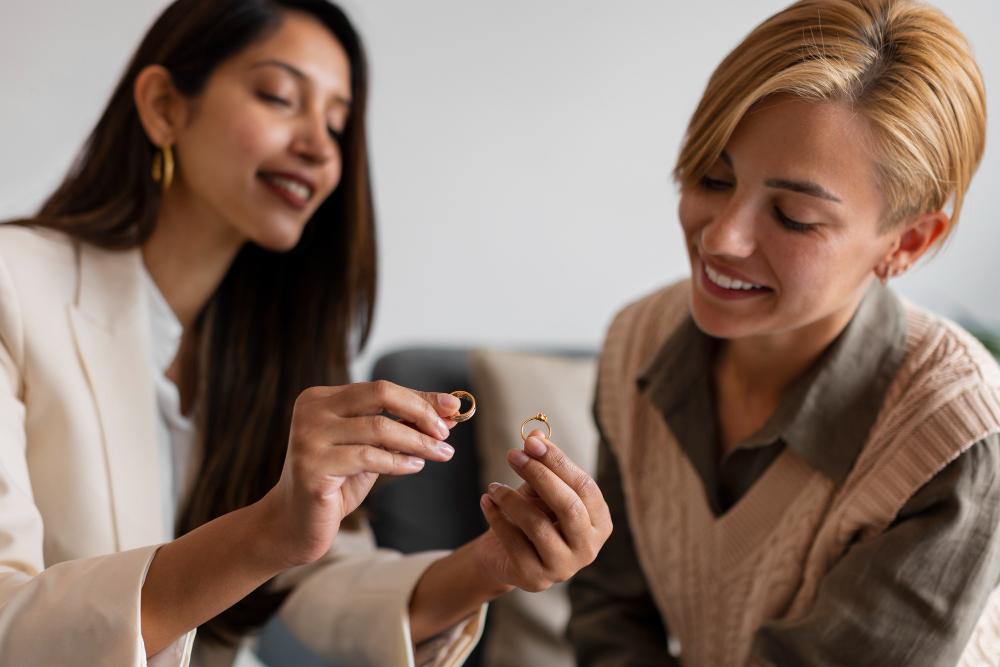
When choosing a diamond engagement ring, many buyers focus on the diamond itself—its cut, clarity, and carat—but often overlook an equally important factor: the metal. The type of metal used in a diamond engagement ring can significantly influence its durability, wearability, and long-term beauty. From classic yellow gold to modern platinum, each metal has unique properties that affect how well it withstands daily wear, resists scratches, and maintains its appearance over time. Understanding these differences is essential for making an informed decision that balances style, strength, and budget.
In the US, couples are increasingly aware that the metal choice not only impacts durability but also affects the ring’s overall aesthetic and maintenance needs. Some metals, like platinum, are naturally more durable, while others, like white gold, may require regular upkeep to maintain their shine. Whether you are buying your first diamond engagement ring or upgrading an existing piece, knowing how metals interact with diamonds and resist everyday wear can save time, money, and frustration. By exploring the common metals used in diamond engagement rings, you can ensure your investment lasts for decades while keeping your ring as beautiful as the day you bought it.
Understanding Common Diamond Engagement Ring Metals
Platinum is one of the most popular metals for diamond engagement rings because of its strength and naturally white sheen. It is dense, hypoallergenic, and highly resistant to corrosion, making it ideal for holding precious diamonds securely. Unlike other metals, platinum does not wear away over time, so the prongs that hold your diamond are less likely to thin, reducing the risk of losing the stone. While it may be more expensive than gold, its durability and low maintenance make it a worthwhile choice for couples who plan to wear their ring every day.
White gold offers a similar appearance to platinum but is typically more affordable. It is an alloy made by mixing gold with metals like palladium or nickel, then coated with rhodium to achieve its bright finish. Over time, rhodium plating may wear off, requiring occasional re-plating to maintain the ring’s shine. While not as durable as platinum, white gold still provides a strong setting for diamonds and allows for more budget-friendly diamond engagement ring options without compromising on style.
Comparing Durability of Different Metals
Yellow gold is a classic choice for diamond engagement rings and comes in various purities, such as 14K and 18K. Higher karat gold is softer and more prone to scratches, but it retains a rich, warm color that many buyers love. Lower karat gold contains more alloyed metals, making it more durable and resistant to daily wear. Yellow gold’s softness may require careful handling, especially if the wearer leads an active lifestyle, but its timeless appeal continues to make it a favorite in the US jewelry market.
Rose gold is created by mixing gold with copper, giving it a pinkish hue that has surged in popularity for diamond engagement rings. The added copper makes rose gold slightly harder than yellow gold, which helps with durability. However, like all gold alloys, it is softer than platinum and can scratch over time. Many couples choose rose gold for its romantic aesthetic, while still ensuring their ring is cared for properly to maintain its beauty and integrity.
How to Choose the Right Metal for Your Diamond Engagement Ring
When selecting a metal for your diamond engagement ring, consider lifestyle, maintenance, and budget. If durability is your top priority, platinum offers unmatched strength and longevity. For those seeking elegance at a lower cost, white gold or rose gold may be better options, though they may require occasional upkeep. It’s important to match the metal with your daily activities, ensuring that your ring remains secure and beautiful over the years.
Additionally, consider how the metal complements your diamond’s color and cut. Certain metals, like yellow gold, can enhance warmer diamonds, while white metals like platinum and white gold can create a crisp, modern contrast. Ultimately, your choice should balance aesthetics, durability, and practicality, ensuring that your diamond engagement ring not only looks stunning but stands the test of time.
Maintenance Tips for Different Metals
Every metal used in diamond engagement rings has unique care requirements. Platinum is low maintenance but may develop a patina over time, which some people find charming. White gold and rose gold benefit from periodic polishing and rhodium re-plating to restore their original luster. Regular inspections of prongs and settings can prevent accidental damage or loss of the diamond, helping preserve the ring’s value.
Proper care also includes storing your diamond engagement ring separately from other jewelry to avoid scratches and cleaning it gently with mild soap and water. Understanding your metal’s properties ensures your ring remains beautiful and durable for years to come, giving you peace of mind alongside elegance.
Conclusion
The metal of your diamond engagement ring plays a crucial role in its durability, appearance, and long-term maintenance. Platinum offers unmatched strength, white gold balances elegance with affordability, and rose or yellow gold provides timeless beauty. By understanding these differences and considering your lifestyle, you can choose a metal that complements your diamond and lasts a lifetime.
Invest wisely in your love story. Explore local jewelry stores in the US to see and feel different metals firsthand, ensuring your diamond engagement ring reflects both your style and commitment. Make your choice today and enjoy a ring that will shine for generations.
FAQs
What is the most durable metal for a diamond engagement ring?
Platinum is considered the most durable due to its strength, resistance to wear, and secure setting for diamonds. It is ideal for everyday wear and requires minimal maintenance.
Can white gold scratch easily?
Yes, white gold is softer than platinum and may scratch over time. Regular rhodium plating can restore its shine and durability.
Is rose gold a strong option for engagement rings?
Rose gold is slightly harder than yellow gold due to the copper content, but it is softer than platinum. Proper care helps maintain its beauty.
How does metal choice affect diamond safety?
Stronger metals like platinum hold diamond prongs securely, reducing the risk of stone loss. Softer metals may wear down faster, requiring more frequent inspection.
Do diamond engagement rings require maintenance?
Yes, regardless of metal, regular cleaning, polishing, and professional inspections are recommended to maintain shine and ensure the diamond remains secure.

 English
 Arabic
 French
 Spanish
 Portuguese
 Deutsch
 Turkish
 Dutch
Dutch
 Italiano
 Romaian
 Portuguese (Brazil)
 Greek
Greek