


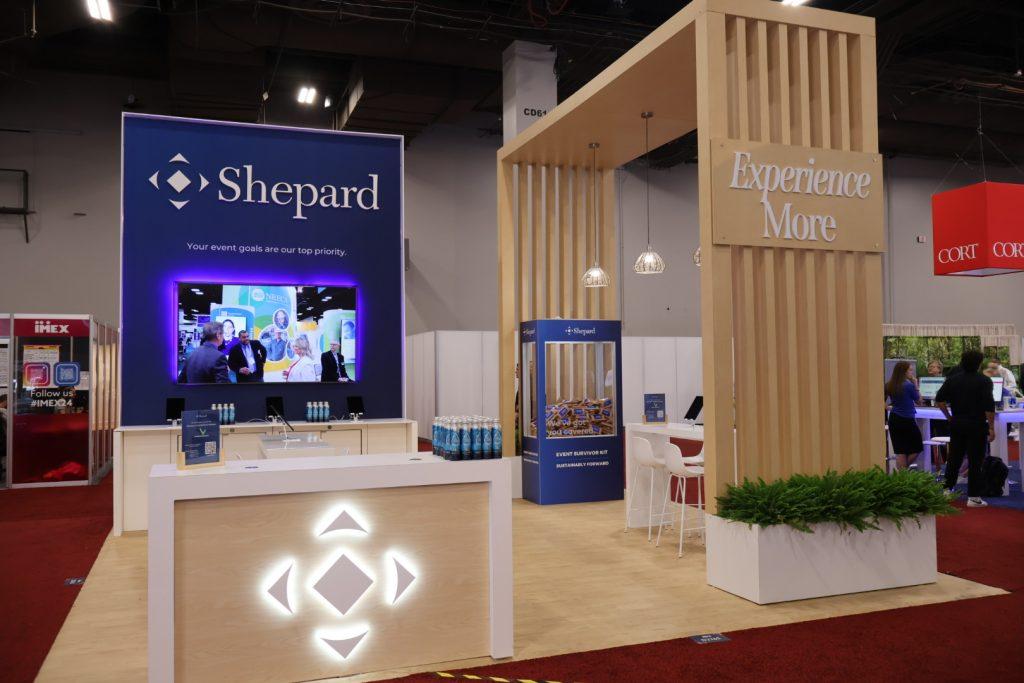
Walk into any trade show or exhibition hall, and you’ll notice one thing immediately—attention is everywhere, but action is rare. Booths are busy, visuals are loud, and people are walking nonstop. Many exhibitors succeed in attracting eyes, but far fewer succeed in turning that attention into real conversations, qualified leads, and actual business results.
That gap between attention and action is where smart exhibits make all the difference.
A smart exhibit is not just visually appealing; it’s strategically designed to influence behavior. It guides visitors from a quick glance to genuine interest, from interest to engagement, and finally from engagement to action. In this blog, we’ll explore how well-thought-out exhibits help businesses move beyond visibility and create measurable outcomes.
Why Attention Alone Is Not Enough
Many businesses believe that if their booth looks impressive, results will automatically follow. Unfortunately, that’s rarely the case.
Here’s why:
-
Visitors are overloaded with visual information
-
They have limited time and energy
-
Most are browsing, not buying
-
Without guidance, they move on quickly
An exhibit that only grabs attention but doesn’t guide the visitor fails to convert opportunity into results. The real success of an exhibit lies in what visitors do next—not just what they see.
What Makes an Exhibit “Smart”?
A smart exhibit is designed with intention. Every element has a job to do.
It focuses on:
-
Visitor behavior
-
Clear messaging
-
Smooth interaction
-
Lead generation
-
Brand recall
Instead of asking, “Does this look good?” smart planning asks,
“Does this help visitors take the next step?”
That shift in thinking changes everything.
Understanding the Visitor Mindset
To drive action, you must understand how visitors think.
Most attendees:
-
Decide within seconds whether to stop
-
Avoid anything that feels confusing or pushy
-
Prefer experiences over explanations
-
Respond to clarity, not complexity
-
Feel more comfortable when they control the interaction
A smart exhibit respects these behaviors and works with them instead of against them.
Step One: Attract with Purpose
Attraction is the first step—but it must be intentional.
Clear Visual Focus
Your exhibit should have one strong message, not ten weak ones. Visitors should instantly understand what problem you solve.
Strong Headlines
Big, benefit-driven messages work better than long descriptions. Speak the visitor’s language.
Open Design
An open layout removes psychological barriers. People are more likely to step in when the space feels accessible.
The goal is not to impress everyone—it’s to attract the right audience.
Step Two: Turn Interest into Engagement
Once visitors stop, the next challenge is keeping them interested.
Interactive Touchpoints
Touchscreens, demos, samples, or live explanations invite participation instead of passive viewing.
Visual Storytelling
Use visuals to explain your journey, solution, or impact. Stories are easier to remember than facts.
Guided Exploration
Allow visitors to explore at their own pace. Staff should support the experience, not dominate it.
Engagement happens when visitors feel involved, not sold to.
Step Three: Build Trust Through Experience
People don’t make business decisions based on visuals alone—they decide based on trust.
Smart exhibits build trust by:
-
Showing real use cases
-
Sharing success stories
-
Demonstrating value clearly
-
Keeping messaging honest and simple
When visitors understand how you help and why it works, trust grows naturally.
Step Four: Lead Visitors Toward Action
Action should feel like a natural next step, not a forced request.
Clear Calls to Action
Tell visitors what to do next—sign up, scan a code, book a meeting, or request information.
Easy Lead Capture
The simpler the process, the higher the response. Long forms and complicated steps reduce conversions.
Value-Based Exchange
Offer something useful—insights, demos, consultations, or resources—in exchange for contact details.
Smart exhibits don’t chase leads; they invite them.
The Role of Layout in Driving Results
Layout plays a huge role in visitor behavior.
A smart layout:
-
Guides movement naturally
-
Separates interaction zones
-
Avoids congestion
-
Creates comfortable conversation spaces
Zoning your exhibit into attraction, engagement, discussion, and action areas helps visitors move smoothly from one stage to the next.
Technology as a Support Tool, Not a Distraction
Technology should enhance the experience—not complicate it.
Used correctly, technology:
-
Captures attention with motion
-
Explains complex ideas simply
-
Encourages interaction
-
Collects data efficiently
Used poorly, it overwhelms visitors and distracts from the message. Smart exhibits use technology with purpose.
Staff Strategy: The Human Connection
Even the smartest exhibit needs the right people.
Training Matters
Staff should understand the goal: conversation first, selling later.
Timing Is Key
Let visitors observe before approaching. A well-timed interaction feels helpful, not intrusive.
Quality Conversations
Listening is more powerful than talking. Tailored conversations lead to better results.
People remember how you made them feel—not just what you showed them.
Measuring Real Business Results
Smart exhibits are measurable.
Key indicators include:
-
Number of meaningful interactions
-
Quality of leads captured
-
Time spent at the exhibit
-
Post-event follow-ups
-
Conversion rates
These insights help businesses refine future strategies and improve ROI.
Long-Term Impact of Smart Exhibits
The benefits go beyond the event itself.
Well-planned exhibits help:
-
Strengthen brand positioning
-
Improve customer understanding
-
Build long-term relationships
-
Increase confidence in live marketing
-
Create repeatable success
When attention turns into action, exhibitions become growth tools—not just marketing expenses.
Conclusion
Turning attention into action doesn’t happen by chance—it happens by design. Smart exhibits focus on how visitors think, move, and decide. They combine clarity, interaction, trust, and simple calls to action to create meaningful outcomes.
When planned strategically, a Trade show display becomes more than a visual presence. It becomes a powerful platform for conversation, connection, and conversion—driving real business results long after the event ends.
FAQs
1. What is the biggest mistake exhibitors make?
Focusing only on visual appeal instead of visitor behavior and conversion.
2. Do smart exhibits require a big budget?
No. Strategy and clarity matter more than size or cost.
3. How can exhibits encourage visitor action?
By offering clear value, simple interactions, and easy next steps.
4. Is staff interaction really that important?
Yes. Human connection often determines whether attention turns into action.
5. How soon should follow-ups happen after an event?
Ideally within a few days while the interaction is still fresh.

 English
 Arabic
 Spanish
 Portuguese
 Deutsch
 Turkish
 Dutch
Dutch
 Italiano
 Russian
 Romaian
 Portuguese (Brazil)
 Greek
Greek