


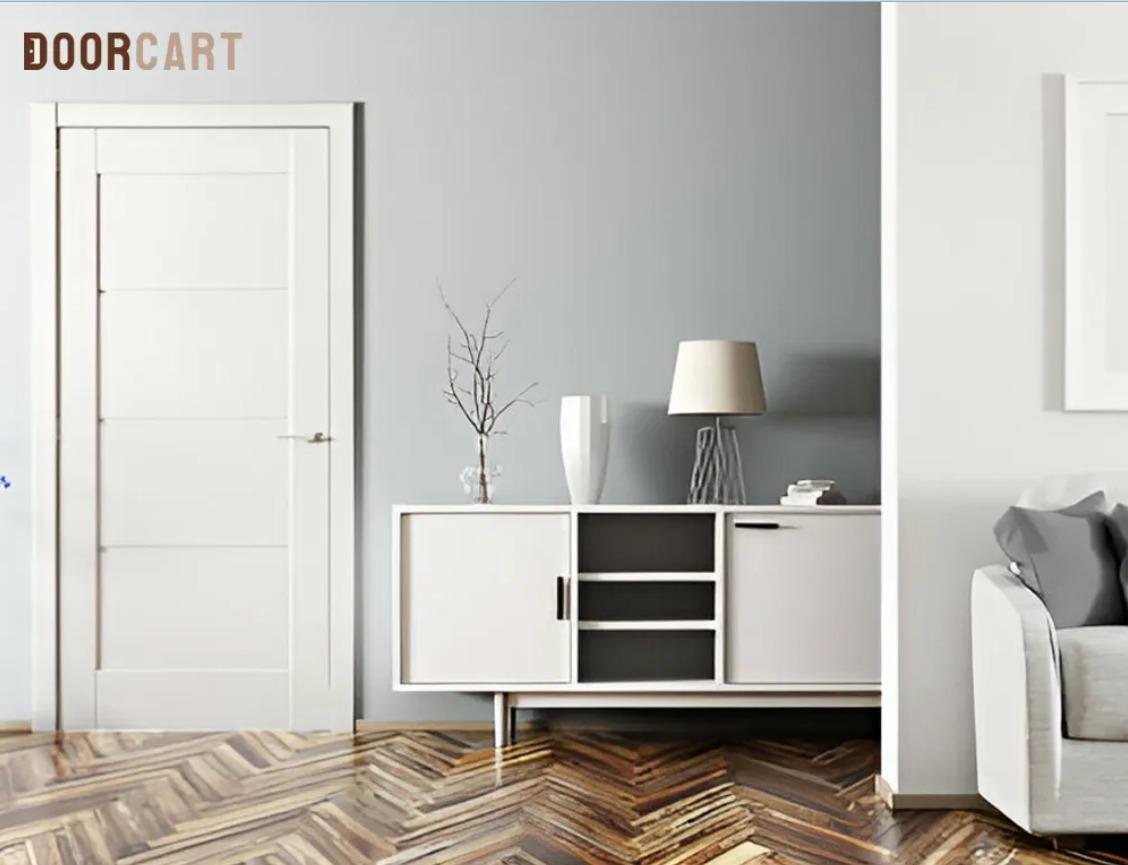
Canada’s housing and construction industry continues to expand across major cities such as Toronto, Vancouver, Calgary, and Montreal. Whether building new homes, renovating condominiums, or upgrading rental properties, choosing the right interior doors plays an important role in comfort, durability, and property value. Two of the most common options available in the Canadian market are Solid Core Doors and the lightweight Hollow Core Door. Understanding the differences between these two types helps homeowners, builders, and property managers make informed decisions.
This article explores the construction, benefits, costs, and applications of both door types, while considering Canada’s unique climate, building standards, and design trends.
Understanding Interior Door Construction
Interior doors are designed primarily for privacy, noise control, and aesthetic appeal. While they may look similar from the outside, the internal structure significantly impacts performance.
A Hollow Core Door is typically constructed with a thin outer layer of wood or MDF (medium-density fiberboard) and a honeycomb cardboard or lightweight filler core. This design reduces weight and cost while maintaining a standard appearance.
In contrast, Solid Core Doors are built with a dense engineered wood or composite core, giving them more weight and durability. Though not always made from a single solid piece of natural wood, their heavy construction provides greater strength and insulation.
Popularity in the Canadian Market
Canada’s diverse housing stock—from compact urban condos to spacious suburban homes—creates demand for a variety of door solutions. Budget-conscious renovations often favor hollow core options, while premium builds and high-end remodels increasingly choose solid core designs.
Several factors influence Canadian buyers:
-
Climate-related expansion and contraction
-
Soundproofing needs in multi-family housing
-
Long-term durability expectations
-
Resale value considerations
-
Energy efficiency awareness
These factors have contributed to growing interest in higher-performance interior doors across the country.
Sound Insulation and Privacy
One of the most noticeable differences between these door types is sound control. In busy households or condominium buildings, noise transfer between rooms can be a concern.
Because of their dense construction, Solid Core Doors significantly reduce sound transmission. Bedrooms, home offices, media rooms, and shared walls in townhouses benefit from improved acoustic insulation.
A Hollow Core Door, by comparison, offers minimal sound resistance. While suitable for closets or low-traffic areas, it may not provide sufficient privacy in noise-sensitive spaces.
In urban centers like Toronto and Vancouver—where condominiums are common—sound insulation is a major selling point. Many developers now install solid core doors in new residential projects to enhance occupant comfort.
Durability and Longevity
Canadian households often experience seasonal humidity shifts and temperature fluctuations. Doors that warp or crack due to climate stress can become difficult to close or latch.
Solid Core Doors are more resistant to warping and damage due to their dense internal structure. They withstand daily wear and tear, making them ideal for family homes with children or high-traffic commercial settings.
A Hollow Core Door is lighter and easier to handle during installation, but it is also more susceptible to dents and punctures. For rental properties or budget renovations, they remain a practical option, though they may require replacement sooner.
Cost Considerations in Canada
Price remains a major factor in purchasing decisions. Hollow core doors are generally more affordable and widely available in Canadian hardware stores and building supply centers.
Solid core models typically cost more due to material density and manufacturing processes. However, many homeowners consider the added expense worthwhile for improved soundproofing and durability.
In new construction projects, builders may choose hollow core doors for secondary rooms while installing Solid Core Doors in bedrooms or offices to balance cost and performance.
Bulk purchasing through Canadian suppliers can also help reduce overall project expenses.
Design and Style Options
Both door types are available in a wide range of designs, including:
-
Shaker panel styles
-
Flat slab designs
-
Frosted glass inserts
-
Wood veneer finishes
-
Primed white paint-ready surfaces
Modern Canadian interior design trends favor clean lines and neutral tones. Whether selecting a Hollow Core Door or a heavier alternative, homeowners can achieve consistent style throughout the home.
Solid core doors often provide a more substantial feel when opening and closing, contributing to a sense of quality and luxury.
Energy Efficiency and Climate Impact
While interior doors do not directly face exterior weather conditions, they still play a role in controlling airflow within a home.
In Canada’s cold winters, separating heated and cooler spaces—such as basements or unused rooms—can help maintain comfort and reduce heating costs. Solid Core Doors provide better insulation between rooms due to their density.
A Hollow Core Door offers less insulation but may still be adequate in temperature-controlled environments where airflow management is less critical.
Installation and Handling
One advantage of hollow core doors is their lightweight construction. Contractors and DIY homeowners find them easier to transport and install.
Solid core doors, being heavier, require stronger hinges and more careful alignment. Professional installation is often recommended, especially in large renovation or commercial projects.
Despite the added weight, many Canadian homeowners appreciate the solid feel and quieter operation associated with solid core construction.
Applications in Residential Settings
In Canadian homes, door selection often varies by room:
-
Bedrooms: Solid core for sound control
-
Bathrooms: Either option depending on budget
-
Closets: Hollow core commonly used
-
Home offices: Solid core preferred for privacy
-
Basements: Solid core recommended for insulation
The Hollow Core Door remains a popular choice for cost-effective renovations and rental properties, while premium homes often standardize solid core doors throughout.
Commercial and Multi-Unit Use
In offices, hotels, and multi-unit residential buildings, durability and acoustic performance are key concerns.
Solid Core Doors are frequently specified in commercial construction because they withstand heavy use and provide better sound separation between rooms and corridors.
Hollow core options are less common in high-traffic commercial environments but may still appear in low-demand interior spaces.
Maintenance and Care
Both types of doors require minimal maintenance. Regular cleaning with a soft cloth and mild detergent helps preserve appearance. Inspecting hinges and hardware ensures smooth operation.
Solid core doors are less likely to develop structural damage over time, making them a longer-lasting solution in demanding environments.
Environmental Considerations
Sustainability is increasingly important in Canada’s building industry. Many manufacturers now produce doors using responsibly sourced wood and low-VOC finishes.
Because they tend to last longer, solid core doors may contribute to reduced replacement frequency and lower long-term material waste.
Making the Right Choice
Choosing between a Hollow Core Door and a solid core option depends on several factors:
-
Budget constraints
-
Desired sound insulation
-
Traffic levels
-
Climate conditions
-
Long-term investment goals
For homeowners focused on affordability and simplicity, hollow core doors remain a practical solution. For those prioritizing durability, soundproofing, and a premium feel, Solid Core Doors offer superior performance.
Conclusion
Interior doors are a fundamental element of Canadian homes and buildings. While both hollow core and solid core options serve important roles, understanding their differences ensures better purchasing decisions.
A Hollow Core Door provides cost efficiency and lightweight convenience, making it suitable for many standard residential applications. On the other hand, solid core alternatives deliver improved sound insulation, durability, and long-term value—qualities increasingly valued in Canada’s competitive housing market.
By evaluating project requirements, climate conditions, and budget considerations, homeowners and builders across Canada can select interior doors that balance functionality, style, and performance for years to come.

 English
 Arabic
 French
 Spanish
 Portuguese
 Deutsch
 Turkish
 Dutch
Dutch
 Italiano
 Russian
 Romaian
 Portuguese (Brazil)