


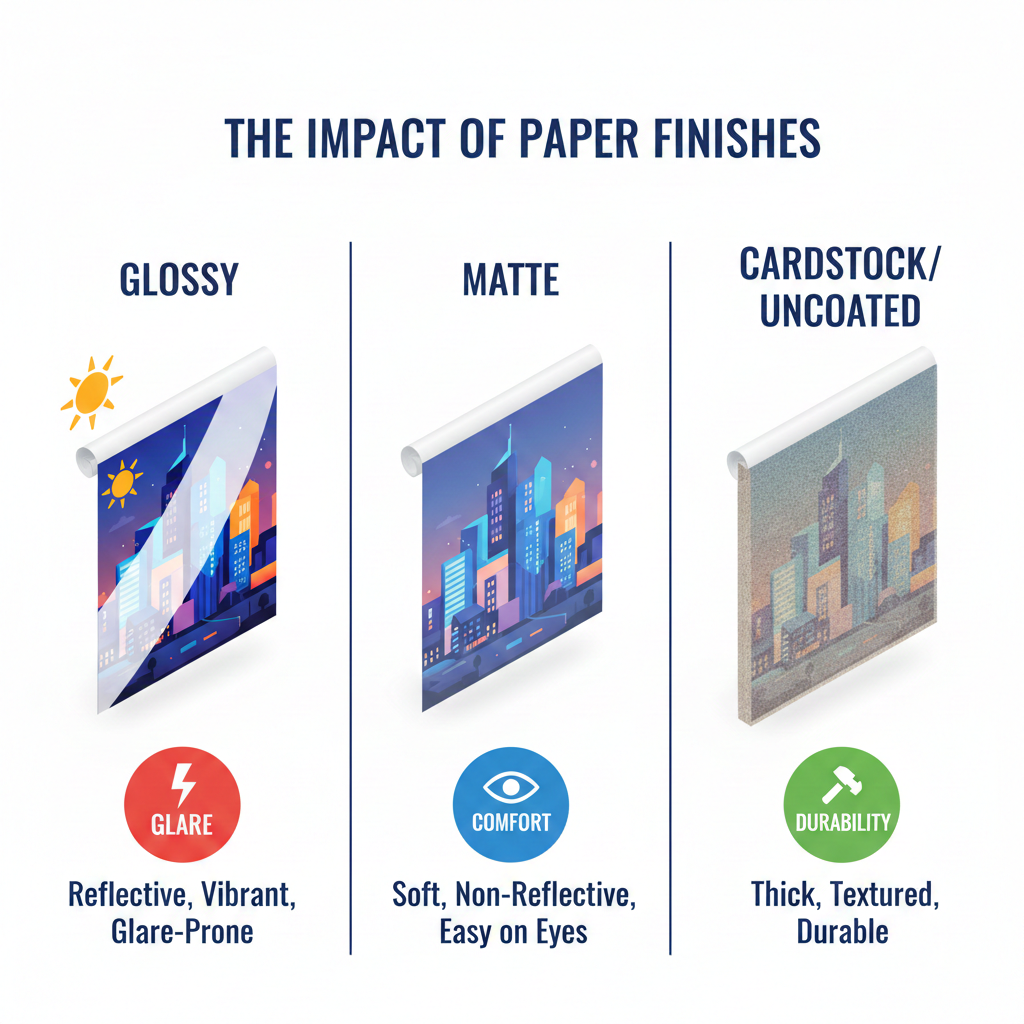
Paper type and finish directly influence how a poster is noticed, read, and remembered. The same design can appear refined, ordinary, or ineffective based entirely on material choice. In Posters Printing, paper selection shapes visual clarity, durability, and the way viewers engage with the message in real environments.
Posters are often judged within seconds. When materials fail to support the design, even a well planned message may be overlooked. Understanding how paper types and finishes work allows businesses and institutions to make informed decisions that strengthen communication without altering design content.
Why Paper Type and Finish Matter for Posters
Posters exist to communicate quickly and clearly. Whether displayed in offices, retail spaces, campuses, or public areas, they compete with surrounding visuals and environmental distractions. Poor paper choices can weaken visibility before the message has a chance to register.
Common issues linked to unsuitable materials include:
-
Excessive glare making text hard to read
-
Paper curling or tearing during display
-
Colors appearing dull or inconsistent
-
Posters degrading before the campaign ends
These problems affect both perception and performance. A poster that looks worn or difficult to read may reduce trust in the message itself. Choosing suitable paper and finish improves readability, preserves visual integrity, and supports consistent communication across the display period.
From a cost perspective, correct material selection also reduces replacement frequency, helping organizations manage printing budgets more effectively.
How Paper Types and Finishes Influence Poster Performance
Standard Paper for Temporary Displays
Standard paper is widely used for short term needs such as notices, event updates, or internal announcements. It is lightweight, affordable, and easy to replace.
However, standard paper has limitations. It absorbs ink unevenly, which can affect color sharpness and text clarity. In humid or high movement areas, it tends to wrinkle or curl, reducing professional appearance. This paper type works best when posters are displayed briefly and replaced frequently.
Gloss Paper and Visual Emphasis
Gloss paper enhances contrast and color intensity, making visuals stand out from a distance. It is often selected when immediate attention is a priority.
Common use cases include:
-
Retail promotions
-
Brand focused visuals
-
Product imagery displays
While gloss finishes attract the eye, reflected light can interfere with readability under bright indoor lighting. Viewing angle and placement must be carefully considered to prevent glare from reducing message clarity.
Matte Paper for Reading Comfort
Matte paper minimizes reflection and allows text to remain readable under varied lighting conditions. It provides a softer surface that supports longer viewing without eye strain.
This finish is commonly used for:
-
Office communication
-
Educational content
-
Informational posters
Matte surfaces also resist fingerprints and smudges, helping posters maintain a clean appearance throughout their display life. This makes them suitable for shared spaces where posters may be handled or viewed up close.
Satin Paper for Balanced Presentation
Satin or semi matte paper offers a middle ground between gloss and matte. It provides good color clarity while limiting glare, making it suitable for mixed content.
Satin paper performs well in:
-
Exhibition halls
-
Conference venues
-
Public notice areas with varied lighting
When posters include both images and detailed text, satin finishes help maintain balance without compromising either element.
Paper Thickness and Structural Stability
Paper thickness plays a critical role in how a poster holds up over time. Thin paper is more likely to bend, tear, or lose shape, particularly in high traffic environments.
Thicker paper or cardstock offers:
-
Improved rigidity
-
A more substantial feel
-
Better resistance to wear
This makes thicker materials appropriate for long term displays, reusable posters, or areas where posters are mounted without protective coverings.
Coated and Uncoated Paper Characteristics
Coated paper keeps ink on the surface, resulting in sharper images and stronger color definition. It is suitable for designs where visual clarity is essential.
Uncoated paper absorbs ink into the surface, producing a softer and more natural appearance. This finish supports text heavy or minimalist designs where readability takes priority over visual intensity. Each option influences how viewers interpret the message.
Environmental Factors That Affect Paper Performance
Display conditions significantly affect how paper behaves over time. Lighting, airflow, humidity, and handling frequency all interact with paper properties.
For example:
-
High humidity can cause thin paper to warp
-
Strong lighting increases glare on glossy finishes
-
Frequent handling leads to faster surface wear
Considering these factors during material selection helps ensure posters remain effective throughout their intended display period.
Measurable Impact of Paper and Finish Choices
Material selection leads to visible and measurable differences in poster effectiveness. Organizations that compare paper types often notice changes in engagement, durability, and message retention.
Reported improvements include:
-
Increased viewing time due to reduced reflection
-
More consistent color appearance across displays
-
Fewer replacements during campaign cycles
In workplace settings, switching from glossy finishes to matte paper has been linked to higher reading completion rates. In commercial spaces, thicker coated paper often attracts stronger initial attention while maintaining visual quality over time. These outcomes confirm that Posters Printing decisions influence both visibility and longevity.
Choosing the Right Paper Based on Purpose
The appropriate paper type depends on where and how the poster will be used. Display duration, viewing distance, and content style should guide the decision.
General considerations include:
-
Short term messaging suits lighter paper
-
Long term displays require thicker materials
-
Text focused posters benefit from low glare finishes
-
Image driven designs perform better on coated surfaces
Making paper decisions early in the planning process prevents last minute adjustments and supports consistent results across multiple print runs.
Conclusion
Paper type and finish directly shape how posters communicate. The right material improves readability, visual comfort, and structural stability while protecting the intended message. For organizations focused on clear and reliable communication, thoughtful paper selection remains one of the most practical decisions in poster production.
FAQs
Q.1 Does paper finish affect how long people look at posters
Ans: Yes. Finishes that reduce glare and support clear text encourage longer viewing and improve message recognition.
Q.2 Which paper type is suitable for office posters
Ans: Matte or satin paper is generally suitable for office settings because it supports comfortable reading under indoor lighting.
Q.3 Is thick paper required for every poster
Ans: Thick paper is recommended for long term or reusable displays, while thinner paper can be sufficient for short term use.
Q.4 How should businesses plan material selection for Posters Printing
Ans: Businesses should assess lighting conditions, display duration, content type, and handling frequency before finalizing paper and finish choices.

 English
 Arabic
 French
 Spanish
 Portuguese
 Deutsch
 Turkish
 Dutch
Dutch
 Russian
 Romaian
 Portuguese (Brazil)
 Greek
Greek