


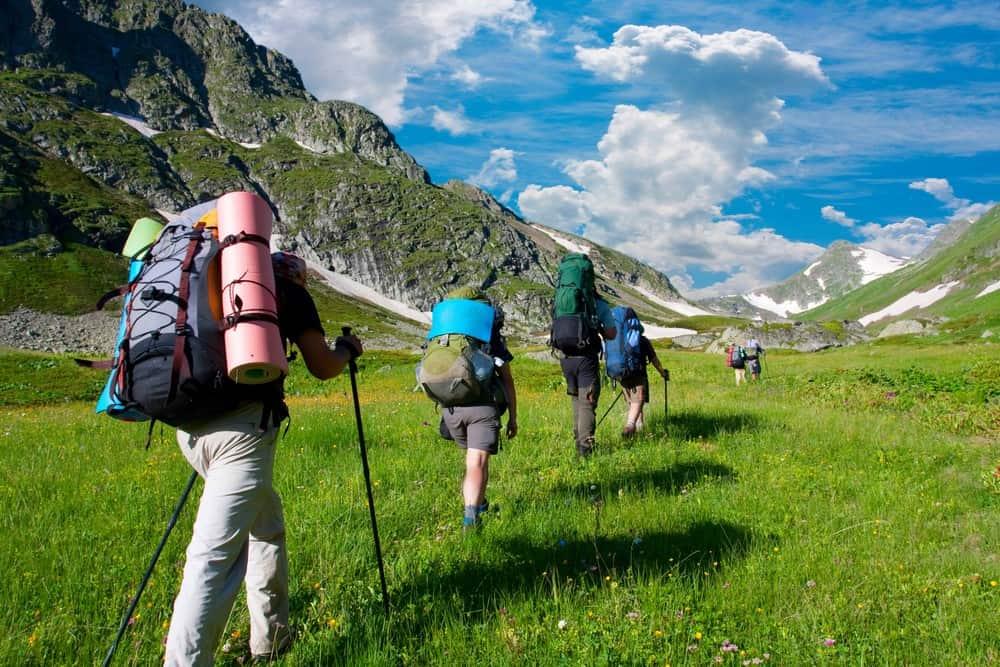
Sikkim, nestled in the Eastern Himalayas, is one of India’s most enchanting trekking destinations. For nature lovers, adventure seekers, and cultural explorers, Trekking in Sikkim is a journey into pristine wilderness and timeless traditions. Known for its snow-clad peaks, alpine meadows, glacial lakes, and vibrant Buddhist culture, Sikkim offers trails that combine adventure with spirituality.
This article explores the highlights, famous treks, cultural impact, benefits, challenges, and future of trekking in Sikkim, helping travelers plan a memorable Himalayan adventure.
1. Why Trekking in Sikkim is Special
-
Unique Terrain: High-altitude passes, glaciers, and rhododendron valleys.
-
Spiritual Significance: Trails often lead to monasteries and sacred lakes.
-
Biodiversity: Rare species like red panda, snow leopard, and Himalayan monal.
-
Adventure Appeal: Treks range from easy village walks to extreme expeditions.
-
Cultural Immersion: Interaction with Lepcha, Bhutia, and Nepali communities.
2. Famous Treks in Sikkim
Goecha La Trek
-
Location: Kanchenjunga National Park.
-
Highlights: Panoramic views of Mount Kanchenjunga.
-
Experience: Moderate to challenging trek, ideal for seasoned trekkers.
Dzongri Trek
-
Location: West Sikkim.
-
Highlights: Shorter trek with stunning views of Kanchenjunga and Pandim.
-
Experience: Perfect for those with limited time.
Kanchenjunga Base Camp Trek
-
Location: North Sikkim.
-
Highlights: Close-up views of the world’s third-highest peak.
-
Experience: Demanding trek for experienced adventurers.
Singalila Ridge Trek
-
Location: Border of Sikkim and West Bengal.
-
Highlights: Views of Everest, Kanchenjunga, and Makalu.
-
Experience: A cultural and scenic trek through villages and forests.
Green Lake Trek
-
Location: North Sikkim.
-
Highlights: Remote trek to a glacial lake at the base of Kanchenjunga.
-
Experience: Challenging expedition requiring permits.
Tholung Trek
-
Location: Dzongu region.
-
Highlights: Sacred monasteries and cultural immersion.
-
Experience: Combines spirituality with adventure.
Kasturi Orar Round Trek
-
Location: West Sikkim.
-
Highlights: Circular trek offering diverse landscapes.
-
Experience: Moderate trek with cultural significance.
3. Cultural Impact of Trekking in Sikkim
Trekking in Sikkim is not just about adventure—it’s deeply cultural:
-
Sacred Trails: Routes to monasteries like Rumtek, Pemayangtse, and Tashiding.
-
Local Communities: Interaction with Lepcha and Bhutia villagers.
-
Festivals: Treks often coincide with local festivals like Pang Lhabsol.
-
Legends: Many trails are linked to Buddhist traditions and Himalayan folklore.
4. Activities Along Trekking Routes
-
Camping: Nights under starry skies in alpine meadows.
-
Wildlife Watching: Red panda, Himalayan black bear, and exotic birds.
-
Photography: Rugged landscapes, monasteries, and cultural scenes.
-
Village Walks: Exploring traditional Sikkimese lifestyles.
-
Spiritual Visits: Monasteries and sacred lakes along trekking routes.
5. Benefits of Trekking in Sikkim
Physical Fitness
-
Trekking improves endurance and strength.
Mental Refreshment
-
Nature and adventure reduce stress.
Cultural Learning
-
Interaction with locals enriches understanding of traditions.
Family Bonding
-
Easy treks like Dzongri are family-friendly.
6. Best Time for Trekking in Sikkim
-
Spring (March–May): Rhododendron blooms, pleasant weather.
-
Autumn (September–November): Clear skies, ideal for trekking and photography.
-
Winter (December–February): Snow-covered landscapes, though some routes may be inaccessible.
-
Monsoon (June–August): Lush greenery, but landslides may occur.
7. Challenges in Trekking Tourism
-
High Altitude: Risk of altitude sickness.
-
Overcrowding: Popular treks face tourist pressure.
-
Infrastructure Issues: Need for better facilities and safety measures.
-
Environmental Concerns: Waste management and preservation of fragile ecosystems.
-
Permits: Restricted areas require special permits.
8. Sustainable Trekking Practices
To ensure long-term success, sustainable practices are essential:
-
Promote eco-friendly accommodations and transport.
-
Limit plastic use and encourage biodegradable materials.
-
Support local artisans and communities.
-
Educate trekkers about responsible behavior.
-
Preserve heritage sites and natural ecosystems.
9. Government Initiatives
The Sikkim government has launched several programs to promote trekking:
-
Eco-Tourism Projects: Focused on sustainable practices.
-
Adventure Festivals: Promoting trekking and mountaineering.
-
Infrastructure Development: Improved roads, campsites, and safety facilities.
-
Digital Campaigns: Highlighting Sikkim as a global trekking destination.
10. Future of Trekking in Sikkim
The future of trekking tourism in Sikkim looks promising:
-
Global Outreach: Attracting international adventure seekers.
-
Smart Infrastructure: Use of apps, e-ticketing, and AI for crowd management.
-
Luxury Adventure Tourism: Growth of premium camps and guided expeditions.
-
Eco-Tourism: Greater focus on sustainability and conservation.
-
Cultural Diplomacy: Promoting Sikkim as a symbol of India’s Himalayan heritage.
11. Conclusion
Trekking in Sikkim is more than an adventure—it is a journey into the Himalayas’ natural and cultural heritage. From Goecha La’s panoramic views to Dzongri’s short trails, from Kanchenjunga Base Camp’s challenging expedition to Sham Valley’s easy walks, Sikkim offers travelers a chance to connect with nature, spirituality, and tradition.
Whether you seek family fun, solo exploration, or cultural immersion, trekking in Sikkim promises unforgettable experiences. It is not just a journey across landscapes but a journey into devotion, biodiversity, and the soul of the Himalayas.

 English
 Arabic
 French
 Portuguese
 Deutsch
 Turkish
 Dutch
Dutch
 Italiano
 Russian
 Romaian
 Portuguese (Brazil)
 Greek
Greek