


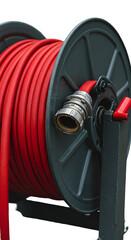
Hose reels are essential tools for keeping hoses organized, protected, and easy to use—whether in residential gardens, workshops, construction sites, agriculture, or industrial environments. While hose reels improve efficiency and safety, they can develop problems over time due to regular use, environmental exposure, or improper maintenance. Understanding the most common hose reel issues and knowing how to fix them can help extend equipment life, prevent downtime, and avoid costly replacements.
Below is a detailed guide to the most common hose reel problems and practical solutions to fix them.
1. Hose Does Not Retract Properly
The Problem
One of the most frequent complaints is a hose that refuses to retract fully or retracts very slowly. This is especially common with spring-driven and automatic hose reels.
Common Causes
- Worn or weakened retraction spring
- Dirt, mud, or debris inside the reel
- Hose twisted or kinked inside the drum
- Overloaded reel (hose longer or heavier than recommended)
How to Fix It
- Clean the reel mechanism: Open the reel housing and remove dirt or debris that may be blocking smooth movement.
- Check hose alignment: Pull the hose out fully and rewind it evenly to prevent overlapping or tangling.
- Inspect the spring: If the spring has lost tension, it may need tightening or replacement.
- Use the correct hose length: Always match the hose size and weight to the reel’s capacity.
2. Hose Reel Leaks Water or Air
The Problem
Leaks can occur at the swivel joint, hose connection, or internal seals, leading to pressure loss and water or air wastage.
Common Causes
- Worn or cracked O-rings
- Loose fittings
- Corrosion or damage to swivel joints
- High operating pressure beyond rated capacity
How to Fix It
- Tighten all fittings: Use appropriate tools to secure loose connections.
- Replace seals or O-rings: Most leaks are caused by worn seals, which are easy and inexpensive to replace.
- Check pressure ratings: Ensure the reel is designed for your system’s pressure.
- Replace damaged swivel joints: If corrosion or cracking is visible, replacement is often the safest solution.
3. Hose Kinks or Tangles During Use
The Problem
A hose that twists, kinks, or tangles while extending or retracting can reduce water flow and cause long-term hose damage.
Common Causes
- Improper winding of the hose
- Reel installed at the wrong angle
- Low-quality or overly flexible hose
- No hose guide or roller system
How to Fix It
- Rewind the hose evenly: Pull the hose out completely and rewind it carefully in straight layers.
- Install a hose guide: Hose guides help maintain alignment during retraction.
- Mount the reel correctly: Ensure wall-mounted reels are installed at the proper height and angle.
- Upgrade the hose: Use a hose compatible with the reel and designed to resist kinking.
4. Reel Does Not Lock or Stay in Place
The Problem
Some hose reels are designed to lock at specific lengths, but the locking mechanism may fail, causing the hose to retract unexpectedly.
Common Causes
- Worn or broken locking pawl
- Debris inside the locking mechanism
- Excessive wear from frequent use
How to Fix It
- Clean the locking system: Dirt and rust can prevent the lock from engaging properly.
- Inspect internal components: Replace worn or damaged locking parts.
- Lubricate moving parts: Use a manufacturer-recommended lubricant to improve function.
5. Hose Reel Is Hard to Turn or Jammed
The Problem
Manual hose reels or crank reels may become stiff or jammed, making them difficult to operate.
Common Causes
- Lack of lubrication
- Rust or corrosion
- Bent frame or drum
- Overloaded reel
How to Fix It
- Lubricate moving parts: Apply grease or oil to bearings and rotating components.
- Remove rust: Clean rusted areas and apply a rust inhibitor.
- Check reel capacity: Make sure the hose size and length are within limits.
- Inspect frame alignment: Straighten or replace bent components if necessary.
6. Hose Reel Mounting Becomes Loose or Unstable
The Problem
A loose or unstable hose reel can be unsafe and difficult to use, especially in industrial environments.
Common Causes
- Weak or incorrect mounting hardware
- Installation on unsuitable surfaces
- Repeated pulling force during hose extension
How to Fix It
- Reinforce mounting points: Use heavy-duty anchors and bolts suitable for the surface.
- Install on solid surfaces: Concrete or steel supports provide better stability.
- Check regularly: Tighten bolts and brackets as part of routine maintenance.
7. Hose Wears Out Faster Than Expected
The Problem
If hoses crack, leak, or fail prematurely, the hose reel setup may be contributing to the issue.
Common Causes
- Sharp edges on the reel
- Excessive friction during retraction
- Exposure to sunlight, chemicals, or extreme temperatures
How to Fix It
- Inspect reel edges: Smooth or replace any sharp areas.
- Use hose rollers or guides: Reduce friction and stress on the hose.
- Store hoses properly: Retract hoses fully when not in use to protect them from environmental damage.
Preventive Maintenance Tips for Hose Reels
Regular maintenance can prevent most hose reel problems before they start:
- Clean the reel and hose regularly
- Lubricate moving parts as recommended
- Check fittings and seals periodically
- Avoid exceeding pressure and weight limits
- Inspect mounting hardware for stability
Conclusion
Hose reel problems are often caused by wear, improper installation, or lack of maintenance. Fortunately, most issues—such as poor retraction, leaks, tangling, or locking failures—can be fixed quickly with basic tools and routine care. By choosing the right hose reel for your application and maintaining it properly, you can improve efficiency, enhance safety, and significantly extend the life of both the reel and the hose.
A well-maintained hose reel isn’t just a convenience—it’s a long-term investment in performance and reliability.

 Arabic
 French
 Spanish
 Portuguese
 Deutsch
 Turkish
 Dutch
Dutch
 Italiano
 Russian
 Romaian
 Portuguese (Brazil)
 Greek
Greek