


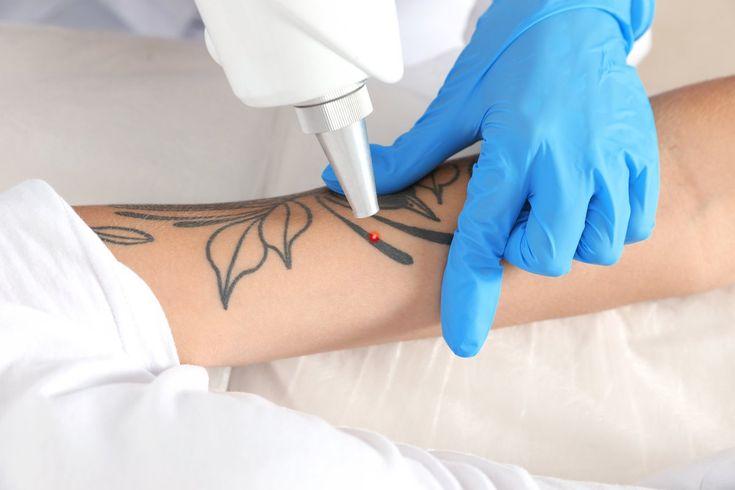
Choosing to remove a tattoo in riyadh(إزالة الوشم الدائم في الرياض) is a significant decision for your skin’s health. In 2026, while technology like picosecond lasers has made the process faster and safer, the expertise of the person behind the laser remains the most critical factor.
Here is a guide on what to look for to ensure your skin is in the best possible hands.
1. Credentials and Medical Oversight
Tattoo removal is a medical procedure, not just a cosmetic service. Regulations vary by region, but safety standards generally demand specific qualifications:
-
Medical Supervision: Ideally, the clinic should operate under the oversight of a Board-Certified Dermatologist or a Medical Director.
-
Certified Technicians: Look for specialists with advanced certifications, such as a Certified Laser Specialist (CLS) or a Laser Safety Officer (LSO).
-
Licensing: Depending on your location, the practitioner may need to be a licensed nurse (RN), physician assistant (PA), or a specialized aesthetician with a Level 5 Certificate in Laser Tattoo Removal.
2. Advanced, FDA-Cleared Technology
Not all lasers are created equal. Using the wrong wavelength can lead to ineffective results or, worse, permanent skin damage.
-
Q-Switched vs. Picosecond: While Q-switched lasers are the long-standing standard, Picosecond technology (like PicoSure or PicoWay) is often preferred in 2026 for shattering ink into smaller particles with less heat, reducing the risk of burns.
-
Multi-Wavelength Capability: Different ink colors require different wavelengths (e.g., 1064nm for black, 532nm for red). Ensure the clinic has equipment that can handle your specific tattoo palette.
3. The Consultation & Skin Assessment
A reputable specialist will never rush you into the chair. A high-quality consultation should include:
-
Skin Typing: They should evaluate your skin using the Fitzpatrick Scale. This is vital because darker skin tones require specific laser settings to avoid hyperpigmentation or scarring.
-
The Kirby-Desai Scale: This is a standard tool used to give you a realistic estimate of how many sessions you’ll need based on ink depth, color, and your immune system's health.
-
Medical History: They must ask about your medications and any history of keloid scarring.
4. Visual Proof and Transparency
-
Authentic Portfolio: Ask to see before-and-after photos of past clients with similar skin tones and tattoo colors to yours. Be wary of "stock" photos provided by laser manufacturers.
-
Realistic Expectations: If a specialist promises 100% removal in just two sessions, walk away. Fading takes time—usually 6 to 10 sessions spaced 6 to 8 weeks apart to allow the skin to heal.
5. Safety Protocols and Aftercare
-
Hygiene: The facility should be as clean as a medical office. Check for sterile environments and the use of protective eyewear (for both you and the technician).
-
Pain Management: Ask how they manage discomfort. Reputable clinics use skin-chilling machines (like a Zimmer cooler) or topical numbing creams.
-
Aftercare Support: You should leave with a clear, written aftercare plan and a way to contact the specialist if you notice unusual blistering or signs of infection.
Pro Tip: If a deal seems too good to be true (e.g., "Unlimited removal for $100"), it likely is. Quality lasers and expert technicians are expensive to maintain; "bargain" removal often uses low-quality equipment that increases the risk of scarring.

 Arabic
 French
 Spanish
 Portuguese
 Deutsch
 Turkish
 Dutch
Dutch
 Italiano
 Russian
 Romaian
 Portuguese (Brazil)
 Greek
Greek