


As interest in non-surgical skin rejuvenation continues to grow, many people are exploring treatments that work with the body’s natural healing processes rather than against them. One treatment that frequently comes up in these conversations is PRP with microneedling.
This combination therapy is widely discussed in aesthetic medicine for its ability to support skin renewal, improve texture, and promote a healthier-looking complexion. If you are new to the concept and want to understand how it works, why it’s used, and what makes it different from other skin treatments, this guide provides a clear and informational overview.
Understanding the Basics of Skin Renewal
The skin is constantly regenerating. However, as we age, the natural production of collagen and elastin slows down. Environmental factors such as sun exposure, pollution, stress, and lifestyle habits can further impact the skin’s ability to repair itself efficiently.
When the skin’s repair process becomes less effective, common concerns may appear, including:
-
Uneven skin tone
-
Fine lines and early wrinkles
-
Rough texture
-
Enlarged pores
-
Dull or tired-looking skin
Modern aesthetic treatments aim to stimulate the skin’s natural renewal mechanisms rather than masking these concerns.
What Is Microneedling?
Microneedling is a minimally invasive treatment that uses tiny, controlled needles to create micro-injuries on the surface of the skin. These micro-injuries trigger the body’s natural healing response.
When the skin begins to repair itself, it increases the production of:
-
Collagen
-
Elastin
-
Growth factors
This process can help improve overall skin texture and tone over time. Microneedling alone is already well-known in skincare, but when combined with PRP, its effects may be enhanced.
What Is PRP (Platelet-Rich Plasma)?
PRP stands for Platelet-Rich Plasma. It is derived from a small sample of the individual’s own blood. The blood is processed to concentrate platelets, which are rich in growth factors that support tissue repair and regeneration.
Platelets play a vital role in healing throughout the body. In aesthetic applications, PRP is used to support skin renewal by delivering these growth factors directly to the treated area.
Because PRP comes from the individual’s own body, it is often described as a natural or autologous treatment.
How PRP and Microneedling Work Together
When PRP is combined with microneedling, the two treatments complement each other. Microneedling creates micro-channels in the skin, and PRP is applied during or after the procedure.
These micro-channels allow the PRP to penetrate more effectively into the skin. The growth factors in PRP work alongside the body’s natural healing response triggered by microneedling.
This combined approach is commonly referred to as PRP with microneedling, and it is designed to support deeper and more efficient skin rejuvenation.
Why PRP with Microneedling Is Considered a Natural Approach
One reason this treatment receives attention at the awareness stage is its natural foundation. Rather than introducing synthetic substances, PRP uses components already present in the body.
The goal is not to artificially alter facial structure or expression, but to encourage healthier skin behavior over time. This makes the treatment appealing to individuals seeking gradual, subtle improvements.
Many people researching PRP microneedling treatment for skin rejuvenation are interested in options that focus on skin quality rather than dramatic cosmetic changes.
Common Skin Concerns Addressed by PRP with Microneedling
This combination treatment is often discussed in relation to a variety of skin concerns, including:
-
Fine lines and early signs of aging
-
Acne scars and uneven texture
-
Sun-damaged skin
-
Enlarged pores
-
Loss of skin firmness
It is important to note that results vary based on individual skin condition, age, and lifestyle factors.
What to Expect During a Treatment Session
A typical PRP with microneedling session involves several steps:
-
Blood Collection – A small amount of blood is drawn
-
PRP Preparation – The blood is processed to isolate platelet-rich plasma
-
Microneedling Procedure – Controlled micro-injuries are created on the skin
-
PRP Application – PRP is applied to the treated area
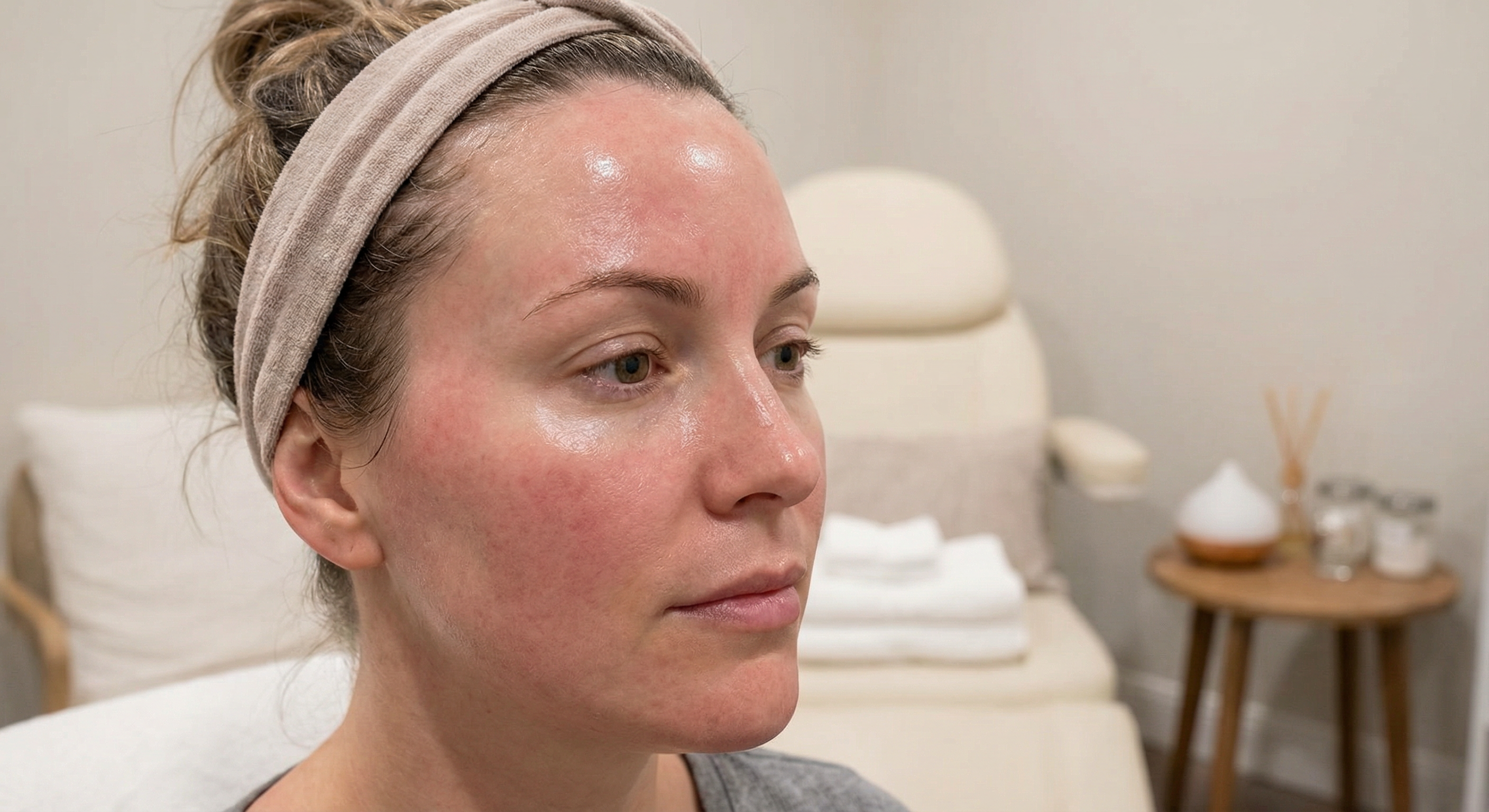
The session generally lasts under an hour. Downtime is usually minimal, though temporary redness is common.
At Enfield Royal Medspa, treatments are performed with careful attention to hygiene, technique, and patient comfort.
How Long Does It Take to See Results?
PRP with microneedling does not provide instant results. Because it works by stimulating natural regeneration, improvements develop gradually.
Typical timelines may include:
-
Initial skin glow within a few days
-
Progressive texture improvement over several weeks
-
Continued collagen support over months
Multiple sessions are often discussed for optimal results, depending on skin goals.
Safety and Scientific Support
Both PRP and microneedling are well-studied procedures when performed by trained professionals. Since PRP uses the individual’s own blood components, the risk of allergic reaction is minimal.
Temporary side effects may include:
-
Redness
-
Mild swelling
-
Sensitivity
These effects usually resolve within a short period.
Who Commonly Explores PRP with Microneedling?
This treatment often attracts individuals who:
-
Prefer natural-based skin treatments
-
Want non-surgical options
-
Are focused on skin health rather than quick fixes
-
Are researching preventative aesthetic care
An educational consultation helps determine whether this approach aligns with individual skin needs.
PRP with Microneedling in Modern Aesthetic Care
This treatment has become a popular topic because it aligns with a growing shift toward regenerative aesthetics. Instead of focusing solely on surface correction, PRP with microneedling supports the skin’s internal repair mechanisms.
As awareness grows, more people are learning how regenerative treatments fit into long-term skin maintenance strategies.
Final Thoughts
PRP with microneedling is an advanced skin rejuvenation approach that combines controlled skin stimulation with the body’s own growth factors. By encouraging collagen production and natural healing, it offers a science-backed, minimally invasive option for improving overall skin quality.
For individuals beginning their research into aesthetic treatments, understanding PRP with microneedling provides valuable insight into how modern skin rejuvenation works. Learning about PRP microneedling treatment for skin rejuvenation helps set realistic expectations and builds confidence when exploring future skincare decisions.
Education is the first step toward informed and thoughtful aesthetic care.

 Arabic
 French
 Spanish
 Portuguese
 Deutsch
 Turkish
 Dutch
Dutch
 Italiano
 Russian
 Romaian
 Portuguese (Brazil)
 Greek
Greek