


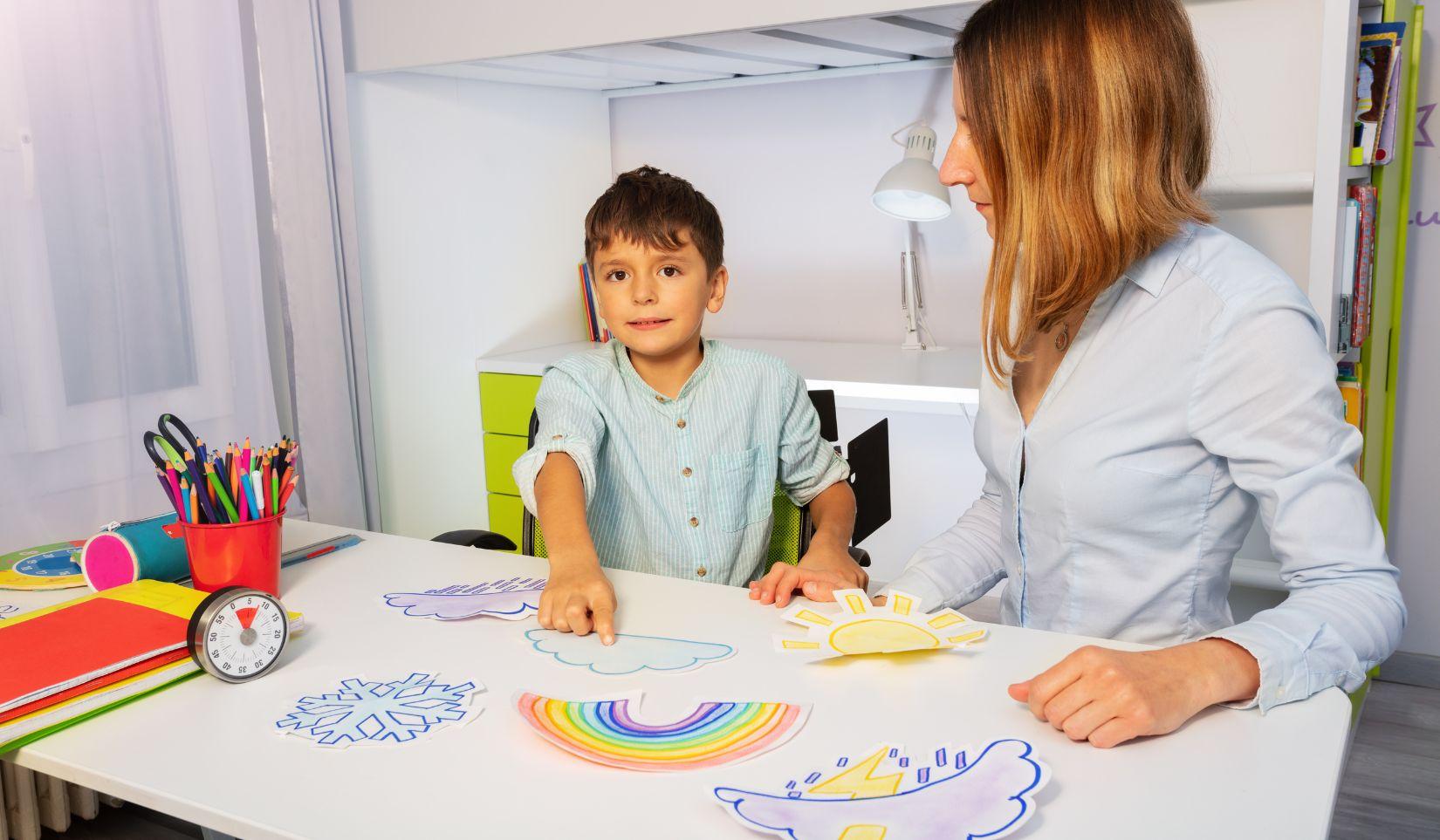
Applied Behavior Analysis (ABA) therapy has long been recognized as one of the most effective approaches for supporting children with developmental challenges, particularly those with autism spectrum disorder (ASD). While traditional ABA therapy often occurs in clinics or specialized centers, home-based ABA programs have gained prominence in recent years due to their personalized, convenient, and impactful approach. Providing therapy in the comfort of a child’s home allows families to engage directly with the treatment process and ensures that interventions are relevant to the child’s everyday environment.
The Benefits of Home-Based ABA Programs
Home-based ABA therapy offers unique advantages that set it apart from clinic-based programs. One of the key benefits is the personalized care children receive. Each child has distinct needs, strengths, and areas for growth. By delivering therapy at home, ABA therapists can tailor interventions to the child’s natural routines, interests, and family dynamics. This approach enhances engagement, reduces stress, and increases the likelihood of successful outcomes.
Another significant advantage is the comfort and familiarity of the home environment. Many children respond better in settings where they feel secure and relaxed. Therapy in a familiar environment can reduce anxiety and encourage more natural interactions. This helps therapists observe genuine behaviors and patterns, making it easier to address specific challenges and track meaningful progress.
Additionally, home-based programs encourage family involvement, which is crucial for long-term success. Parents and caregivers can learn strategies directly from the therapist, enabling them to reinforce positive behaviors throughout daily life. This ongoing support empowers families, strengthens bonds, and ensures that skills acquired during therapy carry over into real-life situations.
How Home-Based ABA Programs Work
Home-based ABA programs typically begin with a comprehensive assessment of the child’s abilities, challenges, and developmental goals. This assessment allows the therapist to design a tailored plan that addresses the child’s unique needs. Programs often focus on critical areas such as communication, social skills, daily living skills, and behavior management.
Therapy sessions are structured but flexible, incorporating play, daily routines, and natural learning opportunities. Sessions can range from a few hours per week to more intensive schedules, depending on the child’s needs and family goals. Therapists use evidence-based techniques such as positive reinforcement, discrete trial training (DTT), and natural environment teaching (NET) to encourage desired behaviors and reduce challenges.
Regular progress tracking is another essential component. Home-based ABA therapists maintain detailed records of the child’s development, adjusting strategies as needed to ensure optimal growth. This ongoing assessment allows the therapy to remain responsive and effective.
Tailored Interventions for Every Child
One of the greatest strengths of home-based ABA therapy is the ability to customize interventions. Children learn differently, and what works for one may not work for another. Therapists carefully select strategies and activities that align with the child’s interests, strengths, and developmental stage.
For example, a child who enjoys building with blocks might have therapy sessions that incorporate block-building exercises to teach fine motor skills, problem-solving, and social interaction. Another child who prefers storytelling could engage in activities that develop language skills, comprehension, and emotional expression. By making therapy relevant and enjoyable, children are more likely to participate actively and retain skills.
Supporting Social and Emotional Growth
Home-based ABA programs do more than teach specific skills—they also help children develop confidence, independence, and social competence. Therapists work on essential social skills such as taking turns, sharing, understanding emotions, and initiating interactions. These skills are practiced in real-life contexts, such as mealtimes, playtime, and family routines, ensuring practical application.
Behavioral challenges are addressed with individualized strategies that teach coping mechanisms and reinforce positive choices. Over time, children gain greater self-regulation, communication abilities, and independence—key factors that enhance their quality of life and future success.
Collaboration With Families
Family collaboration is at the heart of home-based ABA therapy. Parents and caregivers are active participants in sessions, learning how to reinforce skills, address challenges, and support the child’s overall development. Therapists provide guidance, training, and ongoing feedback, ensuring that families feel confident in their ability to help their child thrive.
This partnership fosters a sense of empowerment and strengthens family bonds. Families are better equipped to handle day-to-day challenges and celebrate milestones together. Moreover, involving the family ensures consistency, which is critical for generalizing skills across settings and situations.
Flexibility and Convenience
Home-based ABA programs also offer flexibility and convenience, making therapy accessible for busy families. Sessions can be scheduled around school, work, and extracurricular activities, reducing stress and logistical challenges. Families do not need to travel to clinics, which can save time and reduce anxiety for children who may find new environments overwhelming.
Additionally, therapists can address real-world situations as they occur in the home, allowing for immediate feedback and guidance. This adaptability ensures that interventions remain practical, relevant, and effective.
Measurable Outcomes
Research consistently shows that ABA therapy produces measurable improvements in communication, social interaction, behavior, and daily living skills. Home-based programs maintain these high standards by combining individualized planning, evidence-based techniques, and continuous monitoring.
By setting clear goals and tracking progress, families and therapists can see tangible results. Improvements in social skills, language, and behavior can enhance the child’s confidence, independence, and overall quality of life.
If you are looking for ABA therapists in Missouri City, TX, we provide comprehensive in-home ABA services tailored to your child’s needs. Our team of experienced therapists delivers compassionate, personalized care to help children develop essential skills in the comfort of their own home.
Conclusion
Home-based ABA programs offer a unique and effective approach to supporting children with developmental challenges. By providing therapy in a familiar environment, tailoring interventions to individual needs, and actively involving families, these programs create meaningful, lasting change. Children gain essential skills, confidence, and independence, while families feel empowered to support their child’s growth every day.
For families seeking personalized care, home-based ABA therapy represents an accessible, flexible, and evidence-based option that can make a significant difference in a child’s life.

 English
 Arabic
 French
 Spanish
 Portuguese
 Deutsch
 Turkish
 Dutch
Dutch
 Italiano
 Russian
 Romaian
 Greek
Greek