


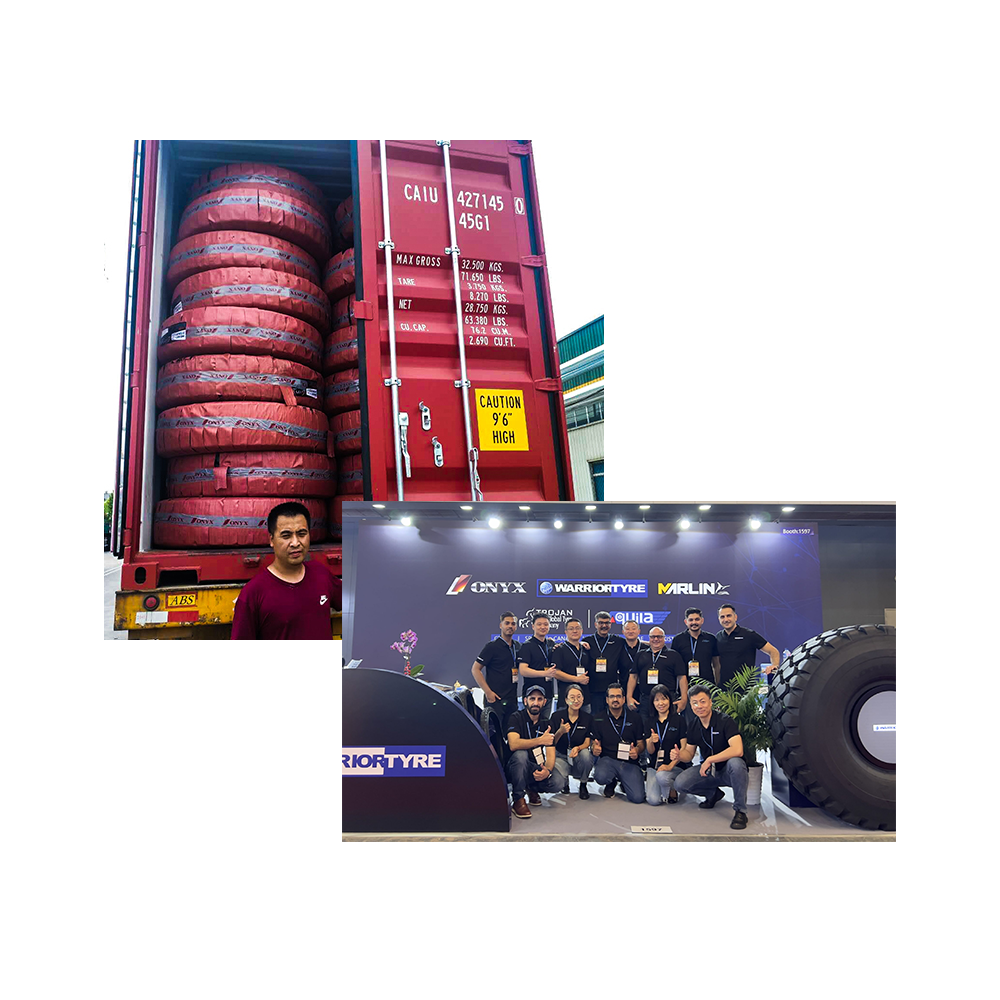
Chinese tyre manufacturers have grown into a global powerhouse, producing high-quality PCR, SUV, TBR, and specialty tyres for importers worldwide. However, like any industry leader, they face challenges that can impact growth, quality, and international competitiveness.
For importers, distributors, and fleet operators, understanding these challenges is essential for making informed sourcing decisions and mitigating risks when partnering with Chinese tyre manufacturers.
This article explores the key challenges facing Chinese tyre manufacturers in 2026, why they matter, and how they are being addressed.
1) Rising Raw Material Costs
Raw materials are the foundation of tyre manufacturing:
-
Natural rubber
-
Synthetic rubber
-
Carbon black
-
Steel cords and fabrics
Challenges:
-
Global rubber prices fluctuate due to climate, supply-demand, and trade dynamics
-
Synthetic rubber prices rise with petrochemical costs
-
Carbon black availability can be inconsistent
Impact:
Rising raw material costs affect manufacturing margins, which can lead to higher tyre prices for importers if factories pass costs along.
Response by manufacturers:
-
Bulk purchasing agreements
-
Research into alternative compounds
-
Optimized rubber mixing to reduce waste
Importers should monitor market conditions to anticipate pricing changes when sourcing from China.
2) Increasing Competition from Domestic and International Brands
China’s tyre industry is crowded:
-
Hundreds of domestic manufacturers compete for export orders
-
International brands are also expanding into emerging markets
Challenges:
-
Price wars in mid-range and budget segments
-
Pressure to maintain quality while reducing costs
-
Branding differentiation becomes more difficult
Response by manufacturers:
-
Investment in R&D and high-performance tyres
-
Private label and export-focused branding
-
Improved logistics and after-sales support
Importers benefit from healthy competition through better pricing and product options, but must carefully select reliable suppliers.
3) Global Compliance and Certification Requirements
Exporting tyres requires compliance with various international regulations:
-
DOT (U.S.)
-
ECE (Europe)
-
GCC (Middle East)
-
ISO 9001 / ISO 14001 quality and environmental standards
Challenges:
-
Keeping certifications up-to-date for multiple regions
-
Costs and complexity of testing and documentation
-
Adapting tyres to meet region-specific performance standards
Response by manufacturers:
-
Dedicated export compliance teams
-
Batch tracking and digital QC systems
-
Collaboration with third-party labs for certification
Importers should verify certifications before ordering to avoid shipment delays or customs issues.
4) Supply Chain and Logistics Constraints
Tyres are heavy, bulky, and container-dependent. Logistics challenges include:
-
Shipping delays due to port congestion
-
Container shortages during peak seasons
-
Internal transport inefficiencies
Impact:
Even a reliable manufacturer can struggle to meet delivery deadlines if logistics are disrupted, affecting distributors’ inventory and market reliability.
Response by manufacturers:
-
Advanced scheduling and production planning
-
Partnerships with international freight forwarders
-
Consolidated shipments and flexible shipping options
Importers can mitigate risk by planning orders in advance and maintaining buffer stock.
5) Quality Consistency Across Batches
One historical concern with Chinese tyres has been batch-to-batch consistency.
Challenges:
-
Small factories may cut corners on raw materials or curing
-
Manual processes in older factories lead to irregularities
-
Inconsistent inspection procedures
Impact:
-
Higher rejection rates at inspection
-
Increased warranty claims
-
Reputation risk for importers
Response by leading manufacturers:
-
Automated production lines
-
Digital QC tracking
-
Standardized testing (uniformity, X-ray inspection, load and speed tests)
Importers should audit suppliers and request inspection reports to ensure consistent quality.
6) Environmental and Sustainability Regulations
Globally, tyre manufacturers face increasing pressure to adopt eco-friendly practices:
-
Reduce carbon footprint
-
Recycle scrap rubber
-
Minimize energy and water usage
Challenges:
-
Implementation costs are high
-
Compliance with EU and North American environmental regulations requires continuous monitoring
Response by manufacturers:
-
Adoption of energy-efficient machinery
-
Recycled and alternative rubber compounds
-
Eco-friendly packaging solutions
For importers targeting European or eco-conscious markets, sourcing from manufacturers with green practices is becoming essential.
7) Talent and Skilled Workforce Shortages
Modern tyre manufacturing requires skilled operators, engineers, and quality control specialists.
Challenges:
-
Skilled labor shortage in certain industrial regions
-
Retaining trained employees for high-tech production
-
Knowledge transfer for new EV and smart tyre technologies
Response by manufacturers:
-
Employee training programs
-
Automation to reduce dependency on manual labor
-
Partnerships with technical institutions for R&D support
Importers should consider manufacturer reputation and staff expertise as part of supplier evaluation.
8) Rising Competition in EV and Smart Tyre Segment
Electric vehicles and smart tyres are growth segments.
Challenges:
-
New technology demands R&D investment
-
Shorter product cycles and rapid innovation required
-
Competition from Japanese, Korean, and European brands
Response by manufacturers:
-
Dedicated EV tyre development teams
-
Collaboration with tech companies for sensors and smart features
-
Prototyping and market testing for new products
Importers entering the EV tyre market need to choose manufacturers actively innovating to remain competitive.
9) Brand Perception in International Markets
Despite improvements, some buyers still perceive Chinese tyres as “low-cost” rather than premium or high-quality.
Challenges:
-
Overcoming historical stereotypes
-
Convincing fleets and distributors of consistent performance
-
Establishing a strong export brand identity
Response by manufacturers:
-
Participation in international exhibitions
-
Marketing and certification transparency
-
Private label support for importers to build local trust
Importers can leverage this trend by positioning private-label Chinese tyres as high-quality value products.
10) Economic and Geopolitical Factors
Global trade is influenced by economic policies, tariffs, and geopolitical tensions.
Challenges:
-
Fluctuating currency exchange rates
-
Trade restrictions or tariffs
-
Global inflation affecting raw material and shipping costs
Response by manufacturers:
-
Diversification of export markets
-
Flexible pricing and long-term contracts with importers
-
Strategic inventory management
Importers should remain aware of global trade dynamics when planning sourcing from China.
Conclusion
In 2026, Chinese tyre manufacturers face multiple challenges, including:
-
Rising raw material costs
-
Intense domestic and international competition
-
Global compliance and certification requirements
-
Supply chain and logistics constraints
-
Batch-to-batch quality consistency
-
Environmental and sustainability regulations
-
Skilled workforce shortages
-
EV and smart tyre technology competition
-
International brand perception
-
Economic and geopolitical factors
However, leading Chinese manufacturers are actively addressing these challenges through automation, R&D investment, compliance, green technology, and strategic partnerships.
For importers and distributors, the key takeaway is:
-
Choose suppliers carefully
-
Verify certifications and quality control systems
-
Plan logistics proactively
-
Leverage private-label and market-ready products
By understanding these challenges and how manufacturers address them, businesses can source reliable, high-quality tyres from China while mitigating risk, ensuring long-term success in global markets.

 Arabic
 French
 Spanish
 Portuguese
 Deutsch
 Turkish
 Dutch
Dutch
 Italiano
 Russian
 Romaian
 Portuguese (Brazil)
 Greek
Greek