


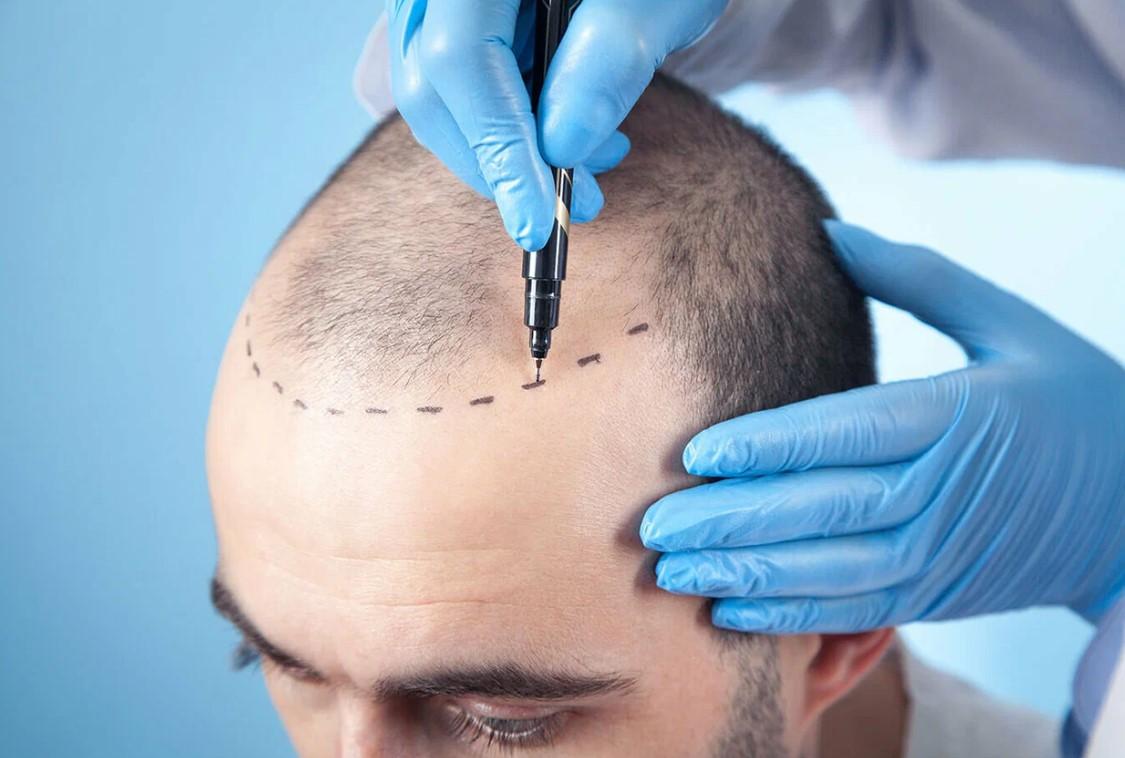
Understanding the recovery timeline after a hair transplant helps patients set realistic expectations and follow proper aftercare. In Riyadh, hair transplant procedures are typically performed using advanced techniques such as FUE, FUT, or DHI, all of which follow a similar healing process. While the surgery itself is usually completed in one day, the recovery and visible results develop gradually over several months. Hair transplant in Riyadh offers advanced solutions for individuals seeking natural-looking hair restoration with long-lasting results.
Below is a detailed, step-by-step overview of what patients can expect during recovery after a hair transplant in Riyadh.
Day 1: Immediately After the Procedure
After the hair transplant is completed, patients are usually discharged the same day. Mild swelling, redness, and tenderness in both the donor and recipient areas are common. Small scabs begin forming around the implanted grafts, which is a normal part of healing.
Patients are advised to:
-
Keep the head elevated while resting or sleeping
-
Avoid touching or rubbing the transplanted area
-
Take prescribed medications to manage pain and prevent infection
Some clinics in Riyadh provide protective head coverings and detailed aftercare instructions before the patient leaves.
Days 2–4: Early Healing Phase
During the first few days, swelling may increase slightly, particularly around the forehead and eyes. This swelling usually peaks around day three and then gradually subsides. Redness remains visible but begins to fade.
Key recovery tips include:
-
Avoid strenuous activity and exercise
-
Do not expose the scalp to direct sunlight
-
Continue sleeping with the head elevated
-
Follow washing instructions provided by the clinic
Patients are typically instructed to avoid wearing tight hats or helmets during this period.
Days 5–10: Scab Formation and Removal
By this stage, scabs become more noticeable but start to fall off naturally as healing progresses. Gentle washing of the scalp is usually allowed, following specific techniques recommended by the surgeon.
Important notes during this phase:
-
Do not pick or scratch scabs
-
Mild itching is normal but should not be disturbed
-
Redness in the recipient area may still be present
By the end of this period, most scabs have fallen off, revealing newly implanted hair follicles beneath the skin.
Weeks 2–4: Shedding Phase (Shock Loss)
One of the most important stages of recovery occurs during weeks two to four. Many patients notice that the transplanted hairs begin to shed. This process, often called shock loss, is completely normal and expected.
Although it can be emotionally concerning, it is important to understand:
-
The hair shafts fall out, not the follicles
-
The follicles remain safely beneath the scalp
-
New hair growth will begin in the coming months
During this time, the scalp appears similar to its pre-transplant condition, which can test a patient’s patience.
Months 1–3: Resting Phase
Between the first and third months, hair growth remains minimal. The follicles are in a dormant phase, focusing on establishing blood supply and strength.
What patients may notice:
-
Reduced redness and sensitivity
-
Donor area fully healed in most cases
-
Very fine or barely visible hair growth starting in some patients
This phase requires patience, as visible improvement is still limited.
Months 3–6: Initial Growth Phase
From the third month onward, new hair begins to grow steadily. The hairs are often thin, soft, and lighter in color at first, but they gradually thicken over time.
Typical changes include:
-
Improved coverage in transplanted areas
-
Hair texture slowly becoming stronger
-
Increased confidence as results become noticeable
At this stage, patients can usually resume normal grooming routines, including gentle trimming and styling.
Months 6–9: Visible Improvement Phase
This is when the transformation becomes more obvious. A significant percentage of transplanted hair is actively growing, and density improves noticeably.
Patients often experience:
-
More uniform hair growth
-
Better blending between transplanted and natural hair
-
Natural hairline definition becoming visible
Any lingering numbness or tightness in the scalp usually resolves during this period.
Months 9–12: Maturation Phase
By the ninth to twelfth month, most patients see near-final results. Hair becomes thicker, stronger, and more natural in appearance.
Key outcomes include:
-
Improved hair density
-
Natural hair movement and styling options
-
Final shape of the hairline becoming clear
Some individuals may continue to see minor improvements up to 15–18 months, especially after large graft sessions.
Long-Term Care and Maintenance
To maintain results, patients in Riyadh are often advised to:
-
Follow a healthy lifestyle
-
Avoid smoking
-
Use recommended hair care products
-
Attend follow-up appointments if advised
Some patients may also consider supportive treatments to strengthen existing hair.
Conclusion
Recovery after a hair transplant in Riyadh is a gradual, well-structured process. While the surgery itself is quick, true results take time, patience, and proper aftercare. Understanding each phase of recovery helps patients stay confident, manage expectations, and enjoy natural, long-lasting hair restoration results.

 English
 Arabic
 Spanish
 Portuguese
 Deutsch
 Turkish
 Dutch
Dutch
 Italiano
 Russian
 Romaian
 Portuguese (Brazil)
 Greek
Greek