


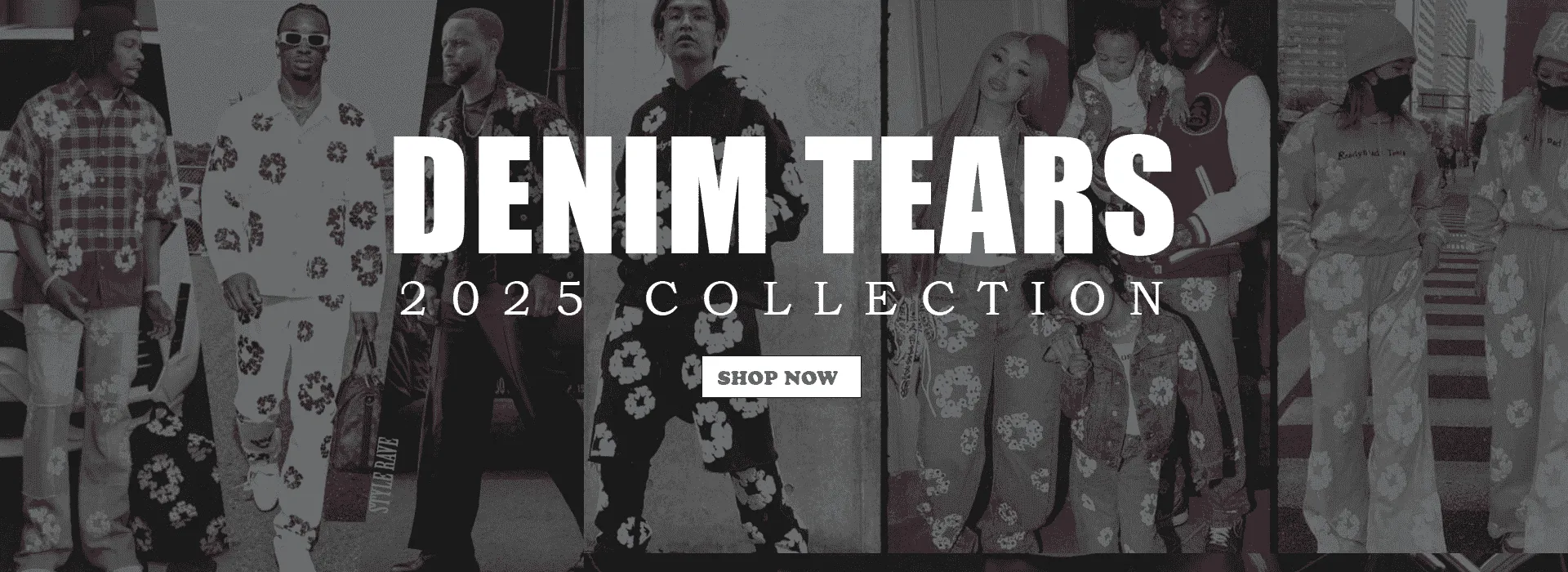
Introduction: More Than a Clothing Brand
Denim Tears is not just a fashion label—it is a cultural statement. Founded by Tremaine Emory, Denim Tears exists at the intersection of history, identity, and style. Every piece created under the brand carries weight, asking the wearer to reflect on the past while moving confidently into the future. In an industry often driven by trends and profit, Denim Tears stands apart by using clothing as a medium for storytelling and remembrance.
The Vision of Tremaine Emory
Tremaine Emory is a creative force whose work extends beyond fashion into art, music, and cultural commentary. Known for collaborating with major brands and artists, Emory founded Denim Tears to tell stories that were often ignored or erased. His vision is deeply personal yet universally resonant, focusing on the African diaspora, generational trauma, and Black resilience. Emory does not design merely to decorate the body; he designs to provoke thought and conversation.
The Meaning Behind the Name “Denim Tears”
The name Denim Tears itself is symbolic. Denim, a fabric historically associated with labor, workwear, and durability, represents endurance. Tears signify pain, loss, and emotional truth. Together, the name suggests a narrative of struggle sewn into everyday life. It reflects the experiences of Black Americans whose labor helped build nations while their suffering remained largely unacknowledged. Denim Tears transforms this pain into visible, wearable history.
Cotton Wreaths and Historical Memory
One of the brand’s most recognizable motifs is the cotton wreath. At first glance, it may appear decorative, but its meaning is deeply rooted in history. Cotton represents the forced labor of enslaved Africans in the United States. By placing cotton imagery onto denim jeans and jackets, Denim Tears confronts viewers with the uncomfortable origins of American wealth and fashion itself. The wreath shape, often associated with honor or remembrance, reframes cotton as both a symbol of pain and survival.
Fashion as a Political Language
Denim Tears operates on the belief that clothing can be political without being loud or aggressive. The brand does not rely on slogans or overt messaging; instead, it embeds meaning into design. This subtlety invites curiosity. Those who understand the references feel seen, while those who do not are encouraged to learn. In this way, Denim Tears turns fashion into a quiet but powerful form of protest and education.
Collaboration Without Compromise
Despite its strong message, Denim Tears has successfully collaborated with major brands such as Levi’s and Converse. These collaborations are notable because they do not dilute the brand’s message. Instead, they amplify it. By placing historically charged designs into mainstream fashion spaces, Denim Tears ensures that conversations about history and identity reach a wider audience. Emory’s refusal to compromise his vision has made these partnerships feel authentic rather than commercial.
Cultural Impact and Community
Denim Tears resonates strongly with artists, musicians, and cultural thinkers. It has become a symbol of intellectual streetwear—fashion for those who care about meaning as much as aesthetics. The brand fosters a sense of community among people who see fashion as a reflection of shared experiences and collective memory. Wearing Denim Tears is not about status; it is about alignment with a story and a set of values.
Redefining Luxury and Value
Traditional luxury fashion often emphasizes exclusivity, price, and prestige. Denim Tears redefines luxury as emotional and cultural value. A pair of jeans becomes luxurious not because of its cost, but because of the history it honors and the dialogue it creates. This shift challenges the fashion industry to reconsider what truly makes a garment valuable.
Conclusion: Wearing the Past, Shaping the Future
Denim Tears is a reminder that fashion does not exist in a vacuum. Every fabric, stitch, and symbol carries history. Through thoughtful design and fearless storytelling, Denim Tears forces us to confront uncomfortable truths while celebrating resilience and creativity. It proves that clothing can be both beautiful and meaningful—that what we wear can honor the past and inspire a more conscious future.

 English
 Arabic
 French
 Spanish
 Portuguese
 Deutsch
 Turkish
 Dutch
Dutch
 Italiano
 Romaian
 Portuguese (Brazil)
 Greek
Greek