


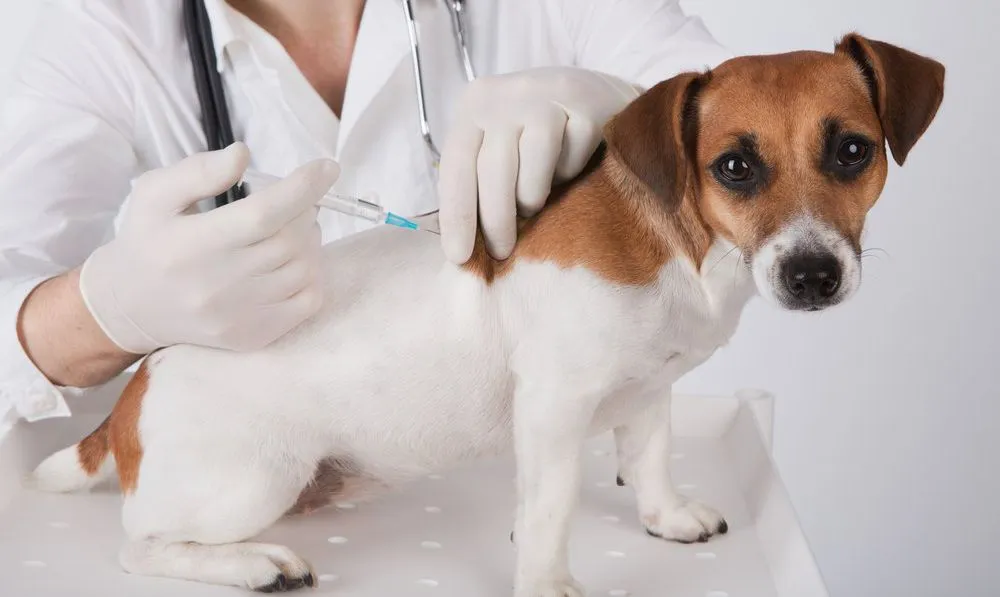
Vaccines can feel confusing. One animal hospital Virginia Beach vet says something is “core,” another mentions lifestyle vaccines, and suddenly you’re wondering if your mostly-indoor, couch-loving pet really needs all these shots. I’ve been there, nodding politely while thinking, “Is this actually necessary… or am I overdoing it?” Let’s clear the fog.
Call us : (757) 355-5694
What are vaccines and why do pets need them?
Vaccines help your pet’s immune system recognize and fight serious, often deadly diseases before they cause illness. They don’t overload the body; they train it. Think of vaccines as practice drills that prepare your pet’s immune system to respond quickly and effectively when exposed.
Without vaccines, even common exposures—like a walk outside or a brief interaction with another animal—can turn into life-threatening situations. Prevention here is not optional; it’s protective.
What vaccines are considered core vaccines for dogs?
Core vaccines for dogs protect against diseases that are widespread, highly contagious, or fatal regardless of lifestyle. These typically include rabies, distemper, parvovirus, and adenovirus, all of which pose serious risks even to dogs that rarely leave home.
These diseases don’t require constant exposure. Parvo can live in soil for months, and rabies is legally mandated in many places for a reason—it’s fatal and transmissible.
What vaccines are considered core vaccines for cats?
Core vaccines for cats include rabies, feline panleukopenia, feline herpesvirus, and calicivirus. These illnesses spread easily, cause severe symptoms, and can be deadly—especially for kittens and senior cats.
Even indoor cats need core vaccines. Viruses can enter homes on shoes, clothing, or open windows, and emergencies happen when cats escape unexpectedly.
What does “non-core” or lifestyle vaccines actually mean?
Non-core vaccines are recommended based on your pet’s lifestyle, environment, and risk factors. These vaccines protect against diseases that may not affect every pet but are still serious under the right circumstances.
For dogs, this might include bordetella, leptospirosis, or Lyme disease. For cats, feline leukemia is a common example. These vaccines aren’t unnecessary—they’re situational.
Do indoor pets really need vaccines?
Yes, indoor pets still need vaccines because exposure isn’t always predictable. Emergencies, boarding, grooming visits, vet trips, or a door accidentally left open can all introduce risk in seconds.
Additionally, some viruses don’t require direct contact with another animal. Assuming “indoor only” equals “no risk” is one of the most common vaccine misconceptions.
What does a puppy or kitten vaccination schedule look like?
Puppies and kittens receive vaccines in a series, starting around six to eight weeks of age and continuing every few weeks until about sixteen weeks. This schedule ensures immunity builds properly as maternal antibodies fade.
Skipping or delaying early vaccines leaves young pets dangerously vulnerable during their most fragile stage of life.
How often do adult pets need booster vaccines?
Adult pets typically need booster vaccines every one to three years, depending on the vaccine and individual risk. Rabies boosters are legally required, while others depend on health status and lifestyle.
Your pet hospital Virginia Beach vet uses medical guidelines—not guesswork—to decide when boosters are necessary. It’s not about giving more vaccines; it’s about maintaining protection.
Are vaccines safe for dogs and cats?
Vaccines are overwhelmingly safe, and serious reactions are rare. Most pets experience no side effects or only mild soreness or sleepiness for a day.
The risks of disease far outweigh the risks of vaccination. When side effects do occur, vets know how to manage them quickly and safely.
What happens if pets aren’t vaccinated?
Unvaccinated pets face a much higher risk of contracting preventable diseases that can lead to hospitalization, long-term complications, or death. Treatment is often far more expensive and far less effective than prevention.
Some diseases also pose risks to humans, making vaccination a public health responsibility—not just a personal choice.
FAQs
Are vaccines really necessary every year?
Not always yearly, but ongoing protection is necessary. Booster timing depends on the vaccine.
Can pets get sick from vaccines?
Mild reactions happen, but serious illness from vaccines is extremely rare.
Is it okay to delay vaccines?
Delaying increases risk, especially for young pets and seniors.
Do vaccines shorten a pet’s lifespan?
No. Vaccines protect lifespan by preventing deadly disease.
Can older pets stop getting vaccines?
Senior pets still need protection, though schedules may be adjusted.
Vaccines aren’t about doing “everything possible.” They’re about doing what’s proven to keep pets safe in a world full of things we can’t control. And honestly? Knowing your pet is protected brings peace of mind that’s hard to put a price on.

 English
 Arabic
 French
 Spanish
 Portuguese
 Deutsch
 Dutch
Dutch
 Italiano
 Russian
 Romaian
 Portuguese (Brazil)
 Greek
Greek