


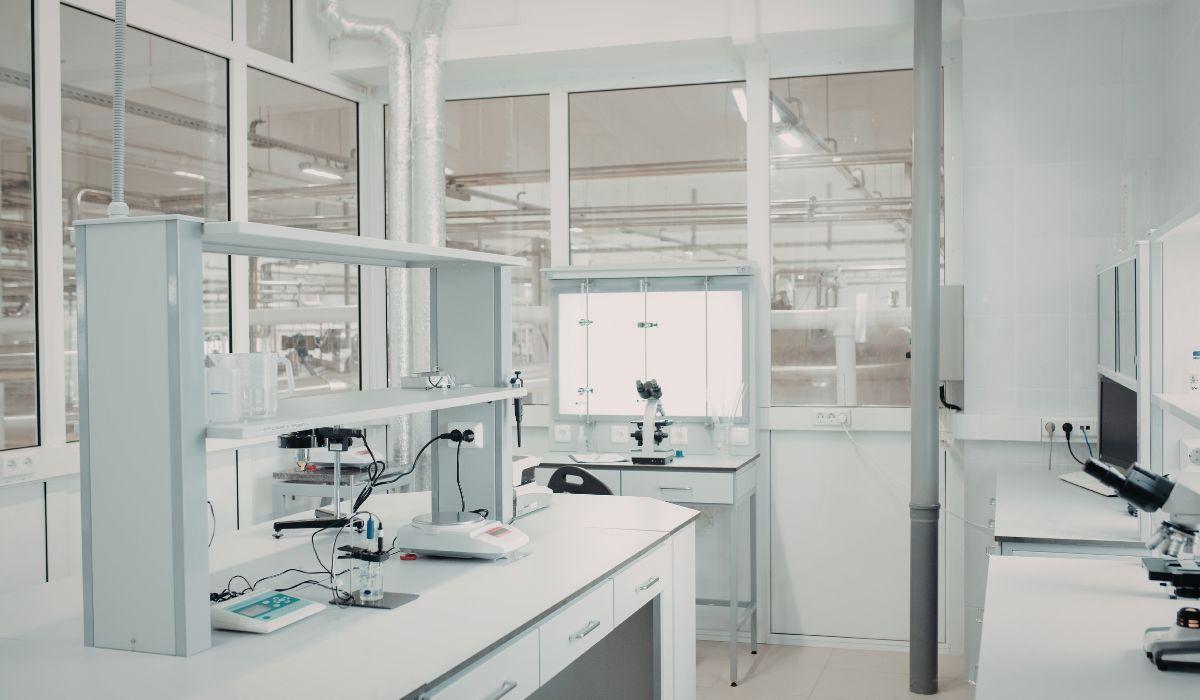
The production of medical devices requires a controlled environment to ensure product safety, quality, and compliance with regulatory standards. Cleanrooms are essential in this context, as they minimize contamination risks from particles, microbes, and other environmental factors. Constructing a cleanroom for medical devices is a complex process that requires careful planning, expert knowledge, and strict adherence to industry standards. This article explores the key considerations and challenges involved in medical device cleanroom construction.
Understanding Cleanrooms in the Medical Device Industry
A cleanroom is a controlled environment where airborne particles, temperature, humidity, and pressure are carefully monitored and managed. Medical device manufacturing often requires cleanrooms to meet stringent standards set by organizations such as the U.S. Food and Drug Administration (FDA), ISO 14644, and Good Manufacturing Practices (GMP) guidelines. These standards dictate the maximum allowable particle count, airflow patterns, and hygiene protocols within a cleanroom.
Cleanrooms are classified based on the level of contamination control they provide. For instance, ISO Class 5 cleanrooms are more stringent and suitable for high-precision processes, whereas ISO Class 7 or 8 may be sufficient for assembly or packaging tasks. Selecting the appropriate cleanroom classification depends on the type of medical device being manufactured and the associated risk of contamination.
Key Considerations in Cleanroom Construction
1. Regulatory Compliance
Compliance with regulations is the foundation of medical device cleanroom construction. Before initiating any project, manufacturers must understand the regulatory requirements applicable to their devices and intended markets. This includes adherence to FDA 21 CFR Part 11, ISO 13485 for quality management, and ISO 14644 for cleanroom standards. Non-compliance can result in costly delays, fines, and compromised product safety.
2. Cleanroom Design
Designing a cleanroom is a crucial step that determines its effectiveness. The layout should promote unidirectional airflow, minimize particle accumulation, and facilitate easy cleaning and maintenance. Key design elements include:
-
Airflow Systems: High-efficiency particulate air (HEPA) or ultra-low penetration air (ULPA) filters are essential to remove airborne contaminants. Proper airflow design ensures that clean air reaches all critical zones.
-
Material Selection: Walls, ceilings, and floors should be made of materials that are easy to clean, resistant to corrosion, and non-shedding. Stainless steel, epoxy-coated surfaces, and vinyl flooring are commonly used.
-
Workflow Optimization: The cleanroom layout should minimize cross-contamination by separating clean and unclean areas, using airlocks, and establishing proper gowning procedures.
3. Environmental Controls
Maintaining a controlled environment is vital for preventing contamination. Cleanroom construction must include precise control over:
-
Temperature and Humidity: Fluctuations can affect both the products and the efficiency of filtration systems.
-
Pressure Differentials: Positive pressure prevents contaminants from entering critical areas, while negative pressure may be used in specific containment zones.
-
Particle Monitoring: Continuous monitoring ensures compliance with ISO classification and identifies potential contamination sources.
4. Equipment Integration
Medical device cleanrooms often house sensitive equipment that must operate without introducing contamination. Proper integration of machinery and instrumentation includes:
-
Sealed Equipment: Machines should be sealed and easy to clean to prevent particle generation.
-
Maintenance Access: Layouts must allow for equipment maintenance without disrupting cleanroom conditions.
-
Automation: Automated systems can reduce human intervention, which is a major source of contamination.
5. Validation and Qualification
Before a cleanroom becomes operational, it must undergo installation qualification (IQ), operational qualification (OQ), and performance qualification (PQ). These steps validate that the cleanroom meets design specifications, operates correctly, and consistently maintains the required environmental standards. Validation also ensures that any medical device produced meets quality and safety requirements.
Challenges in Medical Device Cleanroom Construction
Constructing a cleanroom is not without its challenges. Manufacturers must address several potential obstacles to ensure a successful project.
1. Cost Considerations
Cleanroom construction can be expensive due to specialized materials, HVAC systems, filtration equipment, and monitoring devices. Budgeting must account not only for initial construction costs but also for ongoing maintenance and validation expenses. Cutting corners can compromise cleanliness and regulatory compliance.
2. Space Constraints
Finding suitable space for a cleanroom can be difficult, especially in existing facilities. Cleanrooms require careful planning for workflow, storage, and air handling systems. Retrofitting an existing building often presents more challenges than constructing a purpose-built facility.
3. Complex HVAC Requirements
Heating, ventilation, and air conditioning (HVAC) systems in cleanrooms are complex and must be precisely engineered. Poor airflow design or improper filtration can compromise the entire facility. The challenge lies in achieving uniform air distribution while maintaining energy efficiency.
4. Human Factors
Personnel are one of the biggest sources of contamination in a cleanroom. Designing effective gowning areas, training staff, and enforcing strict protocols are essential. However, human error remains a constant challenge that must be mitigated through monitoring, automation, and continuous training.
5. Technological Integration
Modern medical device manufacturing often involves advanced automation, robotics, and monitoring systems. Integrating these technologies into a cleanroom environment requires careful planning to avoid interference, contamination, or operational inefficiencies.
6. Regulatory Changes
Regulations and standards evolve over time. Cleanroom designs must be flexible enough to adapt to new requirements without necessitating a complete rebuild. Staying updated on regulatory changes is crucial for maintaining compliance and avoiding costly modifications.
Conclusion
Medical device cleanroom construction is a highly specialized and demanding process. It requires a thorough understanding of regulatory standards, precise design and engineering, and careful integration of environmental controls and equipment. While challenges such as cost, space, and human factors exist, a well-planned and expertly constructed cleanroom ensures the production of safe, high-quality medical devices.
Investing in the right materials, advanced HVAC systems, and proper validation protocols not only supports regulatory compliance but also safeguards the reputation and success of medical device manufacturers. Ultimately, meticulous planning and adherence to best practices in cleanroom construction are essential for meeting the stringent demands of the healthcare industry.

 English
 Arabic
 French
 Spanish
 Portuguese
 Deutsch
 Turkish
 Dutch
Dutch
 Italiano
 Romaian
 Portuguese (Brazil)
 Greek
Greek