


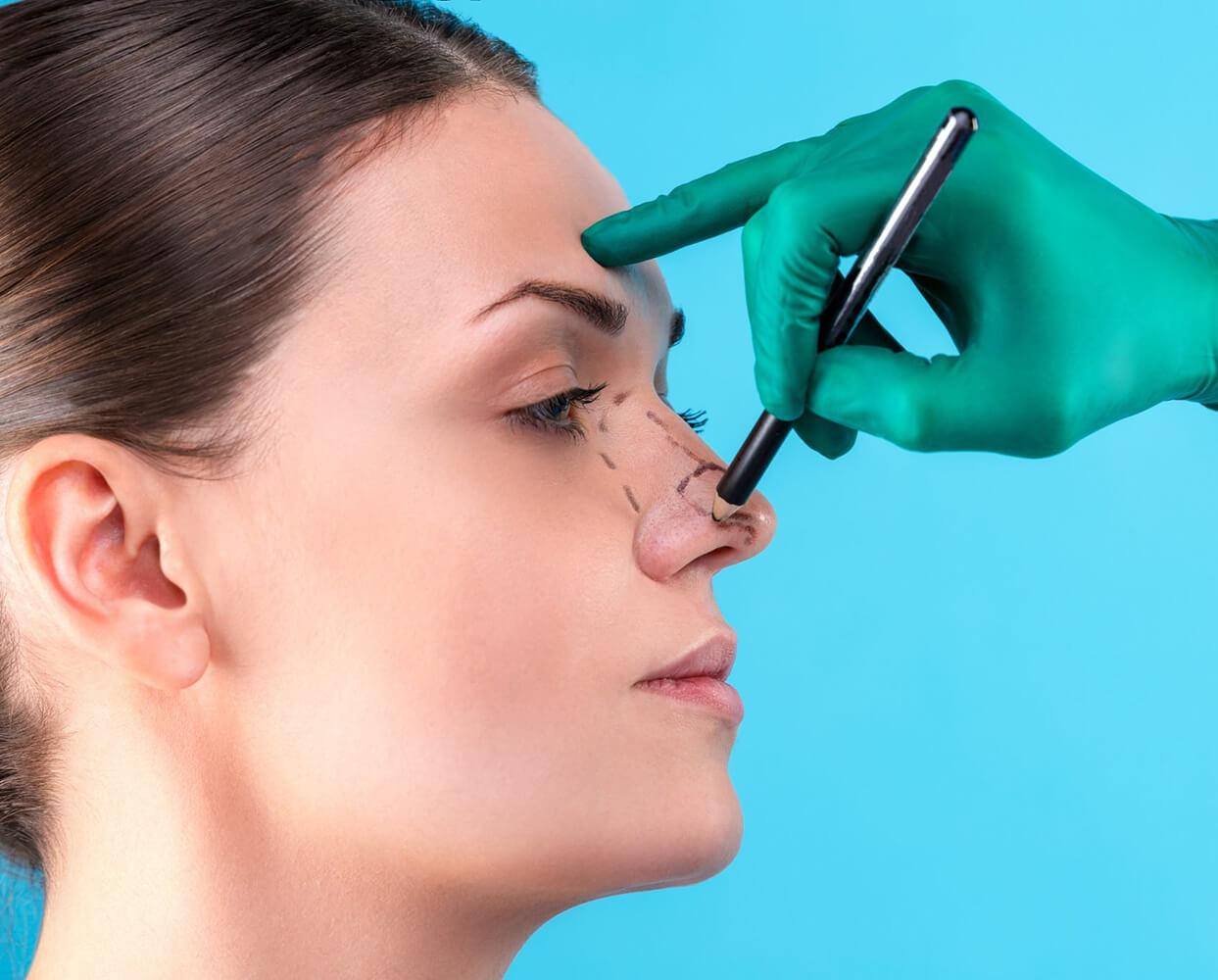
Swelling and bruising are among the most common and noticeable effects following rhinoplasty, and understanding what to expect can help patients in Riyadh navigate the recovery period with confidence and patience. Rhinoplasty, or nose reshaping surgery, involves altering the delicate structures of the nose, including bone, cartilage, and soft tissue. Because the nasal area is highly vascular and sensitive, swelling and bruising are natural responses to surgical manipulation. Knowing how these changes progress, how long they typically last, and how to manage them is essential for a smooth recovery and optimal results. Rhinoplasty in Riyadh is a popular procedure for individuals seeking to enhance the shape and function of their nose while improving facial harmony.
Immediately after rhinoplasty, patients can expect moderate swelling around the nose and the eyes. This is a normal inflammatory response as the body reacts to the surgical trauma. Blood and fluids may accumulate in the tissues, resulting in puffiness and a feeling of tightness. The swelling can be more pronounced in patients undergoing extensive procedures, such as correcting a prominent nasal hump, major tip reshaping, or revision surgery. In addition, bruising often appears as discoloration around the eyes, ranging from light purple to deep blue, and can occasionally extend to the upper cheeks. This occurs because small blood vessels in the area are disrupted during surgery, allowing blood to collect under the skin.
During the first 48 to 72 hours, swelling and bruising usually reach their peak. Patients may notice that their eyelids feel heavy, their face looks puffy, and the nasal bridge appears larger than expected. Some asymmetry is common at this stage, and it is important to remember that these effects are temporary. Applying cold compresses to the affected areas can help reduce swelling, but care must be taken not to apply excessive pressure to the nose itself, as this can compromise surgical outcomes. Keeping the head elevated while resting or sleeping also aids in minimizing fluid accumulation and accelerates the resolution of swelling.
By the end of the first week, bruising around the eyes typically begins to fade. Many patients are able to return to work or social activities with the use of makeup to conceal discoloration. The nasal splint, often placed during surgery to protect the nose and support its new shape, is usually removed during this period, revealing the initial results. Although the swelling may decrease significantly, the nose will still appear larger than its final shape, particularly at the tip, which retains residual puffiness due to thicker skin and underlying tissue trauma.
Weeks two to four mark a gradual improvement in both swelling and bruising. Most of the discoloration under the eyes resolves, and the facial appearance begins to look more natural. Swelling in the nasal bridge generally subsides more quickly than at the tip, where subtle puffiness may linger. During this phase, patients should continue to avoid strenuous activity, heavy lifting, or situations where accidental impact to the nose is possible. Gentle massage or specialized techniques may be recommended by the surgeon to encourage fluid drainage and reduce swelling, but these should only be performed under professional guidance.
Even after the first month, minor swelling can persist, particularly at the nasal tip, where tissue is thickest. This is considered normal and part of the long-term healing process. Swelling in this area can take several months to fully resolve, and patients should maintain realistic expectations about the timeline. In some cases, especially for individuals with thick skin or extensive structural changes, the final subtle refinement of the nose may not be visible until six months to a year post-surgery.
Managing swelling and bruising effectively involves both lifestyle considerations and adherence to post-operative instructions. Avoiding smoking is critical, as nicotine can impair circulation and slow healing. Patients should also limit alcohol consumption in the early stages, as it can exacerbate swelling. Maintaining hydration, a balanced diet, and sufficient rest helps the body recover more efficiently. Wearing sunglasses carefully, avoiding glasses that rest on the nose until cleared by the surgeon, and being cautious with daily activities further reduce the risk of aggravating swelling or causing injury.
It is also important to address the psychological impact of swelling and bruising. Many patients experience anxiety or impatience during the early stages of recovery when their nose looks larger or asymmetrical due to inflammation. Understanding that these changes are temporary, predictable, and part of the normal healing process can reduce stress and improve satisfaction with the surgical journey. Open communication with the surgeon during follow-up visits is essential for monitoring progress and addressing any concerns about prolonged or unusual swelling.
In conclusion, swelling and bruising are natural and expected outcomes after rhinoplasty in Riyadh. They represent the body’s normal response to surgery and gradually improve over time, with the most significant changes occurring within the first few weeks. Proper care, including cold compresses, head elevation, gentle activity, and adherence to postoperative instructions, can help minimize discomfort and accelerate healing. Patients should remain patient and realistic about the timeline, particularly regarding the nasal tip, which may retain subtle swelling for several months. By understanding what to expect and taking proactive steps to manage swelling and bruising, individuals can ensure a smoother recovery and enjoy the full benefits of their rhinoplasty results, achieving both aesthetic enhancement and functional improvement.

 English
 Arabic
 French
 Spanish
 Portuguese
 Turkish
 Dutch
Dutch
 Italiano
 Russian
 Romaian
 Portuguese (Brazil)
 Greek
Greek