


In the vast and unpredictable wasteland of Appalachia, Fallout 76 offers a survival experience shaped as much by players as by the environment itself. Unlike traditional single-player entries in the franchise, this game places real people at the heart of its post-nuclear narrative, transforming a ruined land into a shared space of struggle, cooperation, and rediscovery. From abandoned towns to irradiated forests, every location tells a quiet story waiting to be uncovered.
At its core, Fallout 76 is about rebuilding. The world has already ended, and players emerge from Vault 76 not as heroes destined to save everything, but as survivors trying to make sense of what remains. Exploration plays a major role, rewarding curiosity with environmental storytelling, hidden terminals, and echoes of lives lost. Appalachia feels alive in its own haunting way, filled with remnants of pre-war culture and the eerie silence that follows catastrophe.
Survival mechanics add weight to every decision. Managing hunger, thirst, radiation, and resources creates constant tension, especially during early hours. Weapons break, armor degrades, and danger often comes when least expected. These systems encourage preparation and adaptability, pushing players to learn the land and respect its threats. Over time, survival shifts from desperation to mastery, reflecting the player’s growth within the wasteland.
One of the most distinctive aspects of Fallout 76 is its community. While the world is harsh, encounters with other players often bring moments of generosity and cooperation. Whether trading supplies, defending a settlement, or joining forces against powerful enemies, shared experiences create stories that feel personal and unscripted. The game subtly proves that even after the apocalypse, human connection remains essential.
The evolving nature of the game world keeps the experience fresh. Seasonal events, public challenges, and narrative updates continually reshape Appalachia. These changes make the wasteland feel less static and more like a living place responding to its inhabitants. Returning players often find familiar locations transformed, reinforcing the idea that time and effort truly matter.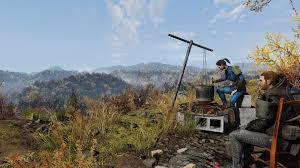
Base building, through the CAMP system, allows players to leave a lasting mark on the world. From simple shelters to elaborate trading hubs, camps reflect creativity and personality. They serve practical purposes while also acting as symbols of hope, proof that something new can grow from the ashes. Seeing lights glowing in the distance can be unexpectedly comforting in an otherwise hostile land.
Ultimately, Fallout 76 is not just about surviving the end of the world, but about what comes after. It asks players to imagine how society might slowly return, shaped by cooperation, conflict, and choice. In this shared wasteland, every step forward is earned, and every rebuilt structure stands as quiet defiance against a world that once fell apart.
Ultracite Laser Rifle Build in Fallout 76: Off-Meta One-Shot Killer Guide

 English
 Arabic
 French
 Spanish
 Portuguese
 Deutsch
 Turkish
 Dutch
Dutch
 Russian
 Romaian
 Portuguese (Brazil)
 Greek
Greek