


How Vehicular Homicide Cases Are Handled in Cumming, Georgia
Vehicular homicide cases are among the most serious criminal matters handled in Cumming, Georgia. When a fatal accident leads to criminal charges, the legal process becomes far more complex than a typical traffic case. Law enforcement agencies, prosecutors, and courts approach these matters with heightened scrutiny, often relying on technical evidence, expert testimony, and strict interpretations of Georgia law.
For individuals facing these allegations, understanding how vehicular homicide cases are handled in Cumming is critical. This knowledge helps drivers protect their rights, avoid costly mistakes, and recognize when it may be appropriate to consult a qualified vehicular manslaughter lawyer in Cumming, Georgia for guidance.
Understanding Vehicular Homicide Under Georgia Law
Georgia law separates vehicular homicide into different categories based on the driver’s alleged conduct:
- First-degree vehicular homicide – typically charged as a felony and often linked to DUI, reckless driving, or serious traffic violations
- Second-degree vehicular homicide – usually a misdemeanor tied to lesser traffic offenses
Prosecutors must prove more than a tragic outcome. They must establish that a specific traffic violation or unlawful act directly caused the death. This distinction plays a major role in how cases move through the courts in Forsyth County.
Step One: The Initial Investigation in Cumming
Law Enforcement Response
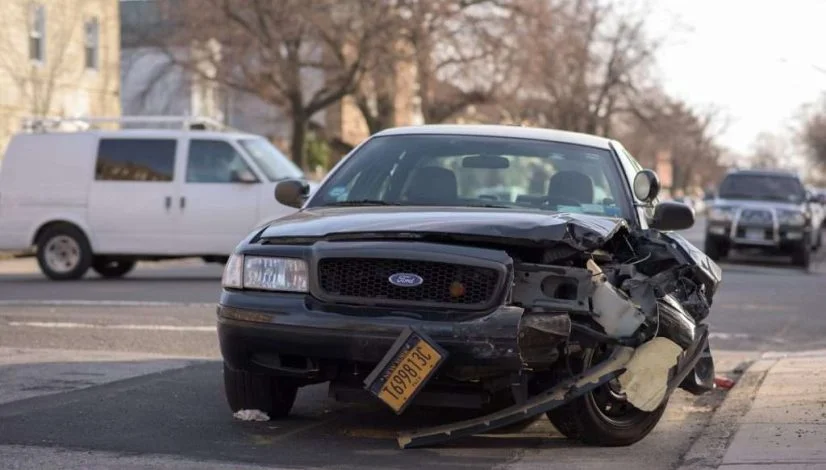
Vehicular homicide cases in Cumming often begin with an extensive investigation at the crash scene. Local and state law enforcement officers may collect:
- Vehicle damage documentation
- Skid marks, debris fields, and road conditions
- Weather, lighting, and visibility factors
- Witness statements and video footage
In serious cases, specialized accident reconstruction units may be involved early. Any errors made during this phase—such as incomplete measurements or assumptions about speed—can significantly affect the case later.
Step Two: Evidence Review and Accident Reconstruction
Technical Analysis Matters
Prosecutors in Cumming frequently rely on accident reconstruction experts to explain how and why a crash occurred. These experts may analyze:
- Vehicle speed and braking data
- Event Data Recorder (black box) information
- Impact angles and collision points
- Reaction times of involved drivers
While these findings can appear authoritative, they are not immune to challenge. Reconstruction opinions are often based on estimates and assumptions, which is why careful review is essential. A knowledgeable vehicular manslaughter lawyer in Cumming, Georgia typically examines whether the conclusions truly reflect the physical evidence.
Step Three: Determining Driver Conduct
Alleged Violations and Behavior
Prosecutors must connect the fatality to specific driver behavior, such as:
- Driving under the influence of alcohol or drugs
- Excessive speeding
- Distracted driving, including phone use
- Ignoring traffic control devices
Evidence may include toxicology reports, phone records, surveillance footage, or eyewitness testimony. However, testing procedures, data interpretation, and witness reliability are common areas of dispute in Cumming vehicular homicide cases.
Step Four: Establishing Causation
Proving the Death Was Directly Caused
Causation is often the most contested element. Prosecutors must prove that the accused driver’s actions directly caused the death not merely that a fatal accident occurred.
Alternative contributing factors may include:
- Actions of another driver
- Road design or maintenance issues
- Mechanical failures
- Sudden medical emergencies
If these factors are not thoroughly considered, the prosecution’s case may rest on incomplete assumptions. This is one reason why many defendants seek insight from a vehicular manslaughter lawyer in Cumming, Georgia before making statements or decisions.
Step Five: Charging Decisions in Forsyth County
How Prosecutors Decide What to File
In Cumming, charging decisions are influenced by:
- Severity of the alleged violation
- Strength of available evidence
- Involvement of alcohol, drugs, or speed
- Prior driving history
In some cases, prosecutors may pursue aggressive charges early, even while evidence is still being evaluated. Understanding the legal basis for those charges is essential before moving forward in court.
Step Six: Court Proceedings and Pretrial Strategy
What Happens After Charges Are Filed
Once charges are filed, cases typically proceed through:
- Arraignment
- Evidence disclosure
- Pretrial motions
- Negotiations or trial preparation
Not every vehicular homicide case goes to trial. Some cases are resolved through legal challenges to evidence or procedural issues. Others hinge on expert testimony and causation analysis. The outcome often depends on how effectively weaknesses in the prosecution’s case are identified.
Common Weak Points in Vehicular Homicide Cases
Even serious cases can contain vulnerabilities, including:
- Inconsistent witness statements
- Flawed accident reconstruction models
- Improperly administered DUI tests
- Failure to account for third-party fault
- Overreliance on assumptions rather than facts
Recognizing these issues early can shape how a case unfolds. This is why individuals often explore their options with a vehicular manslaughter lawyer in Cumming, Georgia who understands local court practices.
Why Local Experience in Cumming Matters
Vehicular homicide cases are not handled the same way everywhere. Local procedures, law enforcement practices, and court expectations in Forsyth County can significantly influence outcomes.
Drivers facing charges benefit from insight into:
- Local investigative patterns
- Prosecutorial strategies common in Cumming
- How judges evaluate expert testimony
This local knowledge helps ensure decisions are made with a clear understanding of how the process actually works.
When to Seek Legal Guidance
Vehicular homicide allegations can escalate quickly. Statements made to police, decisions about evidence, and early procedural steps can all affect the direction of a case.
Speaking with a vehicular manslaughter lawyer in Cumming, Georgia may help individuals:
- Understand the charges they are facing
- Identify potential weaknesses in the case
- Avoid common mistakes during investigations
- Make informed decisions about next steps
This type of guidance focuses on clarity and protection—not assumptions of guilt.
Final Thoughts
Vehicular homicide cases in Cumming, Georgia are handled through a detailed process involving investigation, technical evidence, and legal strategy. While prosecutors work to build strong cases, these matters often contain disputed facts and legal weaknesses that deserve careful review.
Understanding how these cases are handled empowers individuals to make informed decisions and seek appropriate guidance when facing one of the most serious criminal allegations under Georgia law.
For More Information Visit: https://lawofficeofjenniferscalia.com/
Frequently Asked Questions (FAQs)
1. How are vehicular homicide cases different from regular traffic cases in Cumming?
Vehicular homicide cases involve criminal charges, not just citations. They require proof of unlawful conduct and causation and often rely on expert analysis and extensive evidence.
2. Does every fatal accident result in vehicular homicide charges?
No. Prosecutors must prove that a specific traffic violation or reckless behavior directly caused the death. Many fatal accidents do not meet this legal threshold.
3. Why is it important to speak with a vehicular manslaughter lawyer in Cumming, Georgia early?
Early legal insight can help protect rights, evaluate evidence, and prevent missteps during investigations before cases progress further.

 English
 Arabic
 French
 Portuguese
 Deutsch
 Turkish
 Dutch
Dutch
 Italiano
 Russian
 Romaian
 Portuguese (Brazil)
 Greek
Greek