


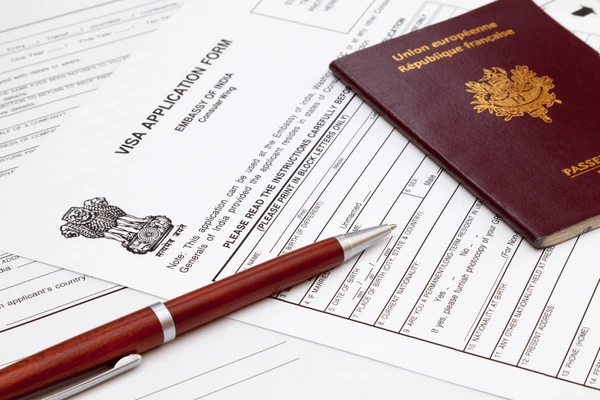
An Indian visa is a mandatory travel authorization for foreign nationals who wish to enter India for tourism, business, medical treatment, education, or employment. With multiple visa categories and both online and offline application options available, understanding the Indian visa system can help travelers choose the correct visa and avoid unnecessary delays.
This guide explains what an Indian visa is, who needs one, the available visa types, and how to apply correctly.
What Is an Indian Visa?
An Indian visa is an official permit issued by the Government of India that allows a foreign citizen to enter and stay in India for a specific purpose and duration. Visa conditions vary depending on nationality, travel intent, and visa category.
Some visas are issued electronically, while others require physical submission through authorized centers or Indian consulates.
Who Needs an Indian Visa?
Most foreign nationals require an Indian visa before traveling to India. You will need a visa if:
-
You are not an Indian citizen
-
You are traveling for tourism, business, medical, or study purposes
-
Your stay exceeds visa-free limits (if applicable)
Even short-term travelers usually need a valid visa prior to arrival.
Types of Indian Visas
India offers several visa categories based on travel purpose:
-
Tourist Visa – For sightseeing, leisure, and visiting friends or family
-
Business Visa – For meetings, trade, and commercial activities
-
Medical Visa – For medical treatment in India
-
Student Visa – For academic courses and education
-
Employment Visa – For working with an Indian organization
-
Conference Visa – For attending official events and seminars
Choosing the correct visa type is critical to approval.
Online Indian Visa vs Regular Visa
Applicants can apply for an Indian visa through two main methods:
Online Visa (e-Visa):
-
Fully digital process
-
Faster processing time
-
Available for tourism, business, and medical visits
-
Limited stay duration
Regular Visa:
-
Required for long-term or specialized stays
-
Submitted through authorized visa centers or consulates
-
Suitable for employment, student, and extended visas
Step-by-Step Indian Visa Application Process
Step 1: Identify the Right Visa Category
Select the visa type that matches your travel purpose.
Step 2: Complete the Application Form
Fill in personal details, passport information, and travel plans carefully.
Step 3: Upload Required Documents
Documents may include:
-
Passport copy
-
Recent photograph
-
Supporting documents based on visa type
Step 4: Pay the Visa Fee
Fees vary by nationality, visa type, and duration.
Step 5: Track and Receive Approval
Once approved, the visa is issued electronically or stamped in the passport.
Indian Visa Processing Time
Processing time depends on visa type and application method:
-
e-Visas are usually processed within a few working days
-
Regular visas may take longer due to verification
Applying early is recommended to avoid travel disruptions.
Common Reasons for Indian Visa Rejection
Indian visa applications may be rejected due to:
-
Incorrect or incomplete application details
-
Mismatch between passport and application data
-
Poor-quality photographs or documents
-
Applying for the wrong visa category
Careful review before submission improves approval chances.
Tips for a Successful Indian Visa Application
-
Ensure passport validity meets requirements
-
Double-check all entered details
-
Upload clear and compliant documents
-
Apply well in advance of travel
-
Follow visa conditions strictly after approval
Final Thoughts
Understanding the Indian visa process helps travelers plan their journey confidently and legally. Whether applying online or through a regular visa channel, choosing the correct visa type and submitting accurate information are the keys to success.
A properly approved Indian visa ensures a smooth entry experience and allows travelers to focus on their purpose of visit.

 English
 Arabic
 French
 Spanish
 Portuguese
 Deutsch
 Dutch
Dutch
 Italiano
 Russian
 Romaian
 Portuguese (Brazil)
 Greek
Greek