


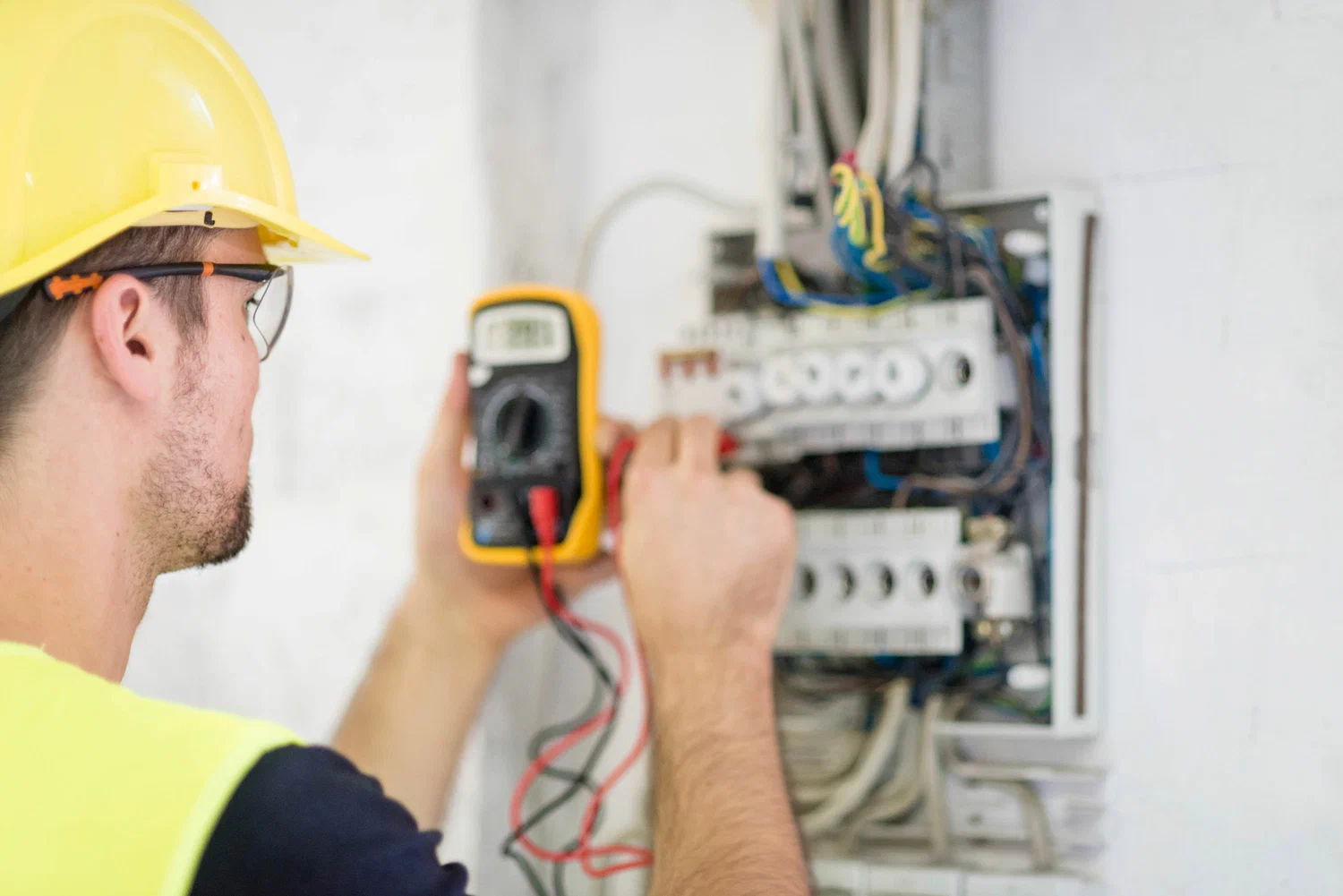
Every homeowner eventually faces questions about their electrical system's safety and longevity. Understanding when to replace electrical wiring protects your family and property investment. This comprehensive guide explores the lifespan of different wiring types and critical replacement indicators.
Understanding Electrical Wiring Lifespan
The durability of electrical wiring depends on several interconnected factors. Material composition plays the most significant role in determining overall longevity. Environmental conditions and usage patterns also influence how long wiring remains safe.
Modern copper wiring typically lasts between 50 and 70 years under normal conditions. Aluminum wiring, common in homes built during the 1960s and 1970s, presents different challenges. This material oxidizes more rapidly and requires professional assessment every 15 to 20 years.
Older cloth-insulated wiring found in pre-1950s homes degrades much faster than modern alternatives. The insulation becomes brittle and cracks, exposing dangerous bare wires underneath. These outdated systems warrant immediate evaluation and often require complete replacement for safety.
Age-Based Replacement Guidelines
Electrical codes and safety standards have evolved dramatically over the past century. Homes constructed before 1970 often contain wiring that doesn't meet current requirements. The National Electrical Code updates regularly to address emerging safety concerns and technology.
Properties built between 1965 and 1973 frequently feature aluminum branch circuit wiring. This material expands and contracts differently than copper, loosening connections over time. Fire risks increase significantly in homes with improperly maintained aluminum wiring systems.
Houses from the 1950s or earlier typically contain knob-and-tube wiring systems. These installations lack ground wires and cannot support modern electrical loads safely. Complete rewiring becomes necessary when upgrading these antiquated systems to contemporary standards.
Warning Signs Requiring Immediate Attention
Several observable symptoms indicate your electrical wiring needs professional evaluation or replacement soon. Flickering lights suggest loose connections or insufficient power delivery to your fixtures. This problem worsens during high-demand periods when multiple appliances operate simultaneously.
Discolored or warm outlet covers signal potentially dangerous conditions within your electrical system. Scorch marks around outlets indicate arcing, which generates excessive heat and fire risk. Never ignore these visible warnings, as they represent serious electrical hazards.
Frequent circuit breaker trips point to overloaded circuits or deteriorating wiring insulation. Modern households consume significantly more electricity than homes from previous decades. Outdated wiring cannot safely handle contemporary power demands from computers and appliances.
A persistent burning smell near outlets or switches requires immediate professional intervention. This odor often indicates melting insulation or overheating wire connections inside walls. Contact an emergency electrician if you detect unusual smells from your electrical system.
Factors Accelerating Wiring Deterioration
Environmental conditions dramatically impact how quickly electrical wiring degrades over decades of service. High humidity levels accelerate corrosion of metal conductors and deterioration of insulation materials. Basements and crawl spaces with moisture problems present particularly challenging environments for wiring.
Temperature extremes cause expansion and contraction cycles that stress wire connections and insulation. Attic spaces experience the most dramatic temperature fluctuations in residential properties. Wiring in these areas often requires replacement sooner than protected interior installations.
Pest damage represents an underestimated threat to electrical system integrity and household safety. Rodents gnaw through wire insulation while building nests in walls and ceilings. Regular inspections help identify and address pest-related damage before serious problems develop.
Regional Code Requirements and Standards
Building codes vary significantly across different municipalities and jurisdictions throughout the country. Local regulations dictate specific requirements for residential electrical system installations and upgrades. Consulting with licensed electricians ensures compliance with applicable codes in your area.
Insurance companies increasingly require updated electrical systems in older homes before issuing policies. Some providers mandate inspections for properties exceeding 40 years of age. Upgrading outdated wiring can reduce insurance premiums while improving coverage options available.
Permit requirements apply to most electrical work beyond simple fixture replacements. Professional electricians handle permitting processes and ensure work meets inspection standards. Attempting unpermitted electrical work creates liability issues and complicates future property sales.
Cost Considerations for Rewiring Projects
Complete house rewiring represents a significant investment that varies based on multiple factors. Property size directly influences material requirements and labor hours needed for completion. Two-story homes typically cost more than single-level structures due to accessibility challenges.
Wall accessibility affects project complexity and overall expense for rewiring older properties. Homes with finished basements or difficult-to-access spaces require additional labor for installation. Planning rewiring during other renovation projects can reduce overall costs through shared expenses.
Wire material selection impacts both upfront costs and long-term system performance characteristics. Copper wiring costs more initially but offers superior conductivity and durability benefits. Most electricians recommend copper for its reliability and compatibility with modern electrical devices.
Preventive Maintenance and Inspection Schedules
Regular professional inspections identify potential problems before they become dangerous or expensive emergencies. Scheduling evaluations every three to five years helps maintain electrical system safety. Licensed electricians possess specialized tools and training to detect hidden problems within walls.
Thermal imaging cameras reveal hot spots invisible to the naked eye during inspections. These temperature anomalies indicate failing connections or overloaded circuits requiring immediate attention. Early detection prevents fires and extends the functional lifespan of electrical systems.
Ground fault circuit interrupter and arc fault circuit interrupter devices provide essential protection. Installing these safety devices during inspections or upgrades significantly reduces electrocution and fire risks. Modern codes require these protective devices in specific locations throughout residential properties.
Making the Replacement Decision
Balancing safety concerns against budget constraints requires careful consideration of multiple relevant factors. Consulting qualified electrical contractors provides accurate assessments of your system's current condition. Professional opinions help prioritize necessary upgrades based on risk levels and available resources.
Investing in electrical system upgrades protects your family while increasing overall property value. Modern wiring supports smart home technology and efficient appliance operation throughout living spaces. These improvements offer returns through enhanced safety, functionality, and marketability when selling.

 English
 Arabic
 French
 Spanish
 Portuguese
 Turkish
 Dutch
Dutch
 Italiano
 Russian
 Romaian
 Portuguese (Brazil)
 Greek
Greek