


Beating the Desert Heat and Repairing Sun Damaged Skin
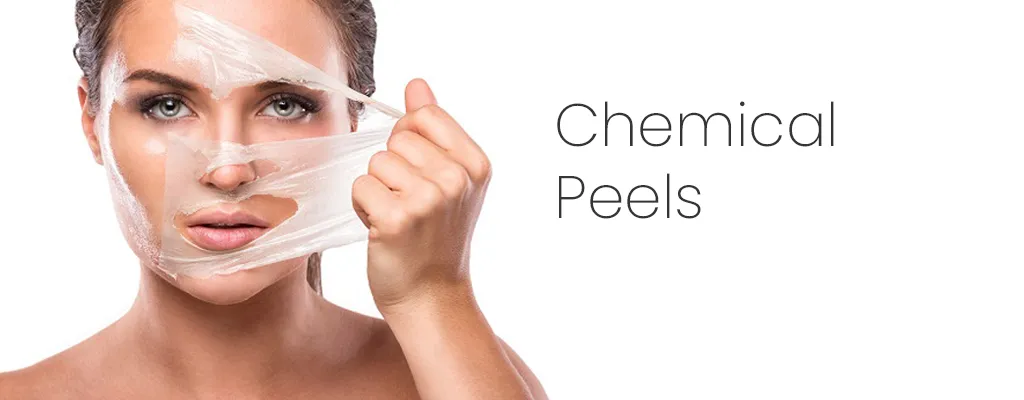
Living in the heart of the Arabian Peninsula offers a vibrant lifestyle, but the environmental toll on the complexion is undeniable. Chemical Peels in Riyadh(التقشير الكيميائي في الرياض) have become a vital intervention for those seeking to undo the effects of chronic sun exposure and the dehydrating "thermal stress" caused by the local climate. The combination of high-intensity UV radiation and the fine particulate matter from the desert air can lead to a condition often called "weather-beaten skin," characterized by deep hyperpigmentation, a rough leathery texture, and premature fine lines. Fortunately, modern chemical resurfacing provides a systematic way to repair this damage, sloughing off the scorched outer layers to reveal a more resilient and hydrated surface underneath.
The Biological Impact of the Riyadh Sun
The Riyadh sun is powerful enough to penetrate deep into the dermis, causing a cascade of cellular damage. UV rays break down the skin’s structural proteins—collagen and elastin—leading to "solar elastosis," where the skin loses its ability to snap back into place. Furthermore, the heat triggers melanocytes (pigment-producing cells) to go into overdrive, resulting in the stubborn dark patches and "sun spots" that are common among residents.
A chemical peel acts as a corrective reset for this process. By applying a controlled acid solution, practitioners can dissolve the damaged keratinocytes that have become thick and disorganized due to sun damage. This not only clears the visible spots on the surface but also sends a biological signal to the deeper layers to begin synthesizing new, healthy collagen fibers.
Repairing Photo-Aging with Targeted Acids
For repairing sun-damaged skin, the choice of acid is critical. Different peeling agents target different depths of the photo-damage:
-
TCA (Trichloroacetic Acid): This is the "gold standard" for sun-damaged skin in desert climates. TCA is highly effective at breaking up deeply rooted pigment clusters and smoothing out the "crepey" texture caused by UV-induced collagen loss. It can be customized from a light "refresh" to a medium-depth "reconstruction."
-
Glycolic Acid: Derived from sugar cane, this AHA has the smallest molecular size, allowing it to penetrate deeply. It is excellent for residents who have general dullness and fine lines from the sun but aren't yet ready for the downtime of a deeper peel.
-
Vitamin C-Infused Peels: Often combined with mild acids, Vitamin C provides an antioxidant boost that helps neutralize the free radicals generated by heat and pollution, further protecting the skin during the repair phase.
Strategies for Peeling in High-Heat Environments
The biggest challenge for Riyadh residents is the heat itself. High temperatures can cause "vasodilation" (widening of the blood vessels), which can increase redness and inflammation during the healing process. To beat the heat while undergoing a repair cycle, clinics often recommend:
-
Thermal Regulation: Using cold air fans during the procedure and "chilled" recovery masks afterward to bring the skin’s temperature down immediately.
-
Evening Sessions: Scheduling treatments in the late afternoon or evening to avoid the peak heat of the day during the critical first few hours after application.
-
Humidity Supplementation: Since the Riyadh air is notoriously dry, post-peel care must involve "occlusive" moisturizers that lock water into the skin, preventing the desert air from siphoning away the moisture needed for cellular repair.
Managing "Heat-Induced" Hyperpigmentation
One unique phenomenon in the region is that heat alone—even without direct sun—can cause pigmentation to worsen. This is particularly true for melasma. When the skin gets too hot, it can trigger more pigment production.
To combat this, modern peels for Riyadh residents often include "tyrosinase inhibitors" like Kojic acid or Azelaic acid. These ingredients work at the chemical level to "turn off" the pigment-making factory in the skin. By combining exfoliation with these inhibitors, a chemical peel doesn't just remove the existing spots; it helps prevent the heat from creating new ones, providing a more permanent solution to the cycle of sun damage.
The Role of "Post-Damage" Hydration
Sun-damaged skin is, by definition, compromised. Its ability to hold onto moisture is weakened. After a chemical peel in Riyadh, the focus shifts entirely to "Barrier Repair." In a desert environment, the skin’s natural "seal" is often broken.
Using products rich in ceramides, fatty acids, and cholesterol is essential for 7 to 10 days following the peel. Think of the peel as "sanding down" a weathered piece of wood, and the post-care as the "protective varnish." Without the varnish, the wood (or skin) remains vulnerable to the elements. For residents, this means applying high-quality, clinical-grade hydrators multiple times a day to ensure the new skin emerges plump and dewy rather than dry and irritated.
Long-Term Protection: The Best Offense is a Good Defense
While chemical peels can dramatically repair the damage of the past, maintaining those results in a place like Riyadh requires a lifestyle shift. The "new" skin revealed by a peel is essentially a blank slate. To prevent the sun from damaging it all over again:
-
UV Shielding: Beyond sunscreen, residents are increasingly using UV-rated window films for their cars and offices to block the rays that contribute to "driving-side" sun damage (where the left side of the face often shows more aging).
-
Nutritional Support: Consuming a diet high in antioxidants (like those found in pomegranates and dates, local staples) can provide a "natural SPF" from the inside out, helping the skin resist the oxidative stress of the desert climate.
Conclusion
Repairing sun-damaged skin in a city defined by its heat and light requires a sophisticated, medical-grade approach. Chemical peels offer a reliable way to strip away the effects of the harsh Riyadh environment, allowing for a fresher, clearer complexion to take its place. By choosing the right peeling agents and following a strict protocol of cooling and hydration, residents can successfully navigate the desert heat and maintain skin that looks vibrant, healthy, and timeless.

 Arabic
 French
 Spanish
 Portuguese
 Deutsch
 Turkish
 Dutch
Dutch
 Italiano
 Russian
 Romaian
 Portuguese (Brazil)
 Greek
Greek