


Plantar fasciitis affects millions of people worldwide every single year. This painful condition creates significant discomfort in the heel and bottom of the foot. The plantar fascia is a thick band of tissue running across your foot. When this tissue becomes inflamed, every step can feel absolutely unbearable.
Many individuals struggle with this condition for months without finding relief. Traditional treatments often provide only temporary solutions to the underlying problem. However, foot orthotics have emerged as an effective management strategy for sufferers. These custom devices address the root causes rather than masking symptoms alone.
Understanding Plantar Fasciitis and Its Impact
The plantar fascia supports your arch and absorbs shock during walking. Repetitive strain causes tiny tears in this crucial connective tissue structure. Over time, inflammation develops and creates that characteristic stabbing heel pain.
Morning pain is typically the worst symptom that patients experience daily. The first steps after waking can feel like walking on glass. This happens because the fascia tightens and contracts during nighttime rest periods.
Athletes, runners, and people who stand all day face higher risks. Excess body weight adds additional pressure on the plantar fascia tissue. Poor footwear choices contribute significantly to the development of this condition. Age-related changes in foot mechanics also increase vulnerability to inflammation problems.
What Are Foot Orthotics
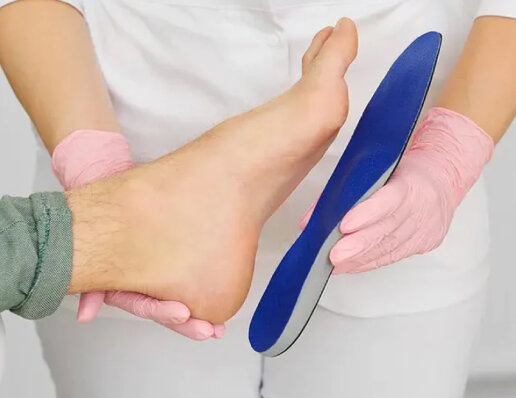
Foot orthotics are specialized inserts designed to support and correct foot alignment. These medical devices go beyond simple cushioning found in regular insoles. They redistribute pressure across the entire bottom surface of your foot.
Custom orthotics are created from precise molds of individual foot structures. Podiatrists and specialists analyze your gait pattern and biomechanical needs carefully. The design process considers arch height, pronation patterns, and pressure distribution.
Over-the-counter options provide standardized support for common foot shape categories. While less personalized, these can still offer meaningful relief for many. Professional-grade orthotics deliver superior results for chronic plantar fasciitis cases though.
How Orthotics Address Plantar Fasciitis
Orthotics work by reducing strain on the inflamed plantar fascia tissue. They provide proper arch support that prevents the fascia from overstretching. This mechanical support allows the damaged tissue time to heal naturally.
The devices control excessive pronation that often contributes to fascia stress. Pronation is the inward rolling motion your foot makes when walking. Too much pronation stretches the plantar fascia beyond its normal limits.
Heel cups within orthotics cradle and cushion the most painful areas. This targeted cushioning reduces impact forces with every step you take. Better shock absorption means less trauma to the already inflamed tissue.
Orthotics also improve overall foot alignment from the ground up naturally. Proper alignment affects your ankles, knees, hips, and even spine positioning. This whole-body approach prevents compensatory problems from developing over time.
Benefits of Using Orthotics for Treatment
Pain reduction is the most immediate and noticeable benefit patients report. Many experience significant relief within just a few weeks of use. Consistent wear allows the healing process to progress without constant reinjury.
Orthotics enable people to maintain their normal activity levels more comfortably. Walking, standing, and light exercise become manageable again with proper support. This prevents the muscle weakness that comes from avoiding physical activity.
The devices provide long-term prevention against future plantar fasciitis flare-ups too. Once healing occurs, orthotics maintain healthy foot mechanics during daily activities. This preventive benefit makes them valuable even after symptoms resolve completely.
Custom orthotics last for several years when properly maintained and cared for. This makes them a cost-effective solution compared to repeated temporary treatments. The investment pays off through sustained comfort and improved quality of life.
Getting the Right Orthotics
Professional assessment is crucial for determining the best orthotic solution needed. A qualified podiatrist will examine your foot structure and movement patterns. They identify specific biomechanical issues contributing to your plantar fasciitis symptoms.
Gait analysis helps specialists understand how you walk and distribute weight. This information guides the design of orthotics perfectly suited for you. Advanced clinics use computerized pressure mapping for extremely precise measurements today.
For those seeking professional help, foot orthotics Calgary specialists offer comprehensive assessment services. These experts combine experience with modern technology for optimal treatment outcomes. Working with qualified professionals ensures you receive appropriate support for healing.
The fitting process involves creating detailed impressions of your feet exactly. Foam molds, plaster casts, or digital scans capture every foot contour. These impressions become the foundation for your personalized orthotic devices.
Integrating Orthotics Into Your Treatment Plan
Orthotics work best when combined with other conservative treatment approaches together. Stretching exercises for the calf muscles and plantar fascia are essential. These stretches improve flexibility and reduce tension on the affected tissue.
Ice therapy helps control inflammation during the acute painful phases effectively. Apply ice for fifteen minutes several times throughout each day regularly. This reduces swelling and provides temporary relief from discomfort and pain.
Night splints keep the plantar fascia gently stretched during sleep hours nightly. This prevents the morning tightness that makes those first steps unbearable. Combined with orthotics, night splints accelerate the overall recovery timeline significantly.
Rest remains important even when orthotics make activity more comfortable again. Avoid high-impact activities until healing progresses to appropriate levels safely. Gradually increase activity as pain decreases and strength returns to normal.
Adjusting to Your New Orthotics
New orthotics require an adjustment period as your feet adapt gradually. Start by wearing them for just a few hours daily initially. Slowly increase wearing time over one to two weeks of use.
Some initial discomfort is normal as your feet adjust to proper alignment. This temporary soreness indicates your body is adapting to healthier mechanics. However, sharp pain means the orthotics need professional adjustment immediately.
Wear orthotics in supportive shoes with adequate depth and room available. Athletic shoes and walking shoes typically accommodate orthotics best of all. Avoid wearing them in tight dress shoes or unsupportive footwear types.
Regular follow-up appointments ensure your orthotics continue functioning properly over time. Specialists can make adjustments as your condition improves or changes occur. This ongoing care maximizes the therapeutic benefits you receive from treatment.
Long-Term Management and Recovery
Most people experience significant improvement within three to six months consistently. Complete healing may take up to a year for severe cases. Patience and consistent orthotic use are essential for successful recovery outcomes.
Continue wearing orthotics even after symptoms completely disappear from your feet. This prevents recurrence by maintaining healthy foot mechanics during all activities. Many people make orthotics a permanent part of their footwear routine.
Monitor your feet for any signs of returning symptoms or problems. Early intervention prevents minor issues from becoming major flare-ups again. Address new pain promptly with your healthcare provider for best results.
Plantar fasciitis responds well to orthotic intervention when properly implemented consistently. These devices offer proven relief by addressing the mechanical causes directly. With professional guidance and commitment, you can overcome this challenging condition successfully.

 English
 Arabic
 French
 Spanish
 Portuguese
 Deutsch
 Turkish
 Italiano
 Russian
 Romaian
 Portuguese (Brazil)
 Greek
Greek