


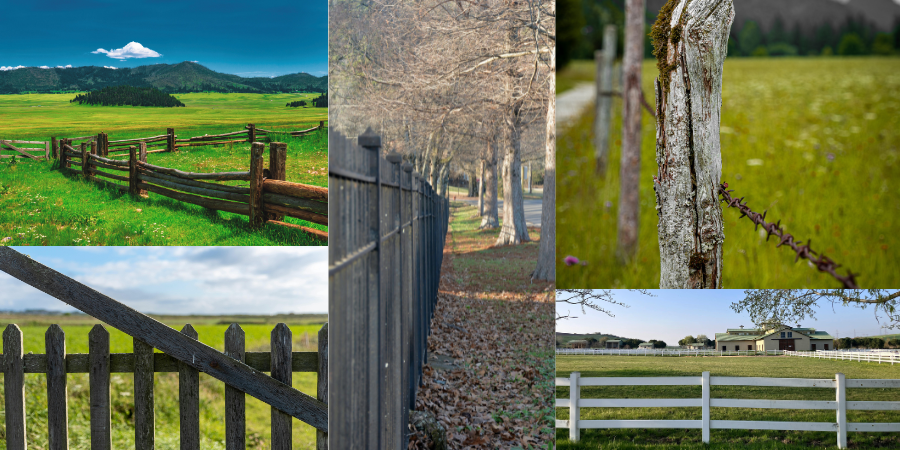
Installing a new fence should be an exciting home upgrade. It adds privacy, improves security, and can completely change how you use your outdoor space. But if you live in a community governed by a Homeowners Association (HOA), that excitement can quickly turn into confusion—or frustration—if you don’t understand the rules first.
HOA fence regulations are one of the most common reasons fence projects get delayed, denied, or forced to be torn down after installation. Many homeowners assume that if they own the property, they can build what they want. Unfortunately, HOAs don’t work that way.
Whether you’re planning a cedar fence for your backyard, replacing an aging boundary, or coordinating with professional fencing contractors, this guide will walk you through everything you need to know before you build—so you can avoid costly mistakes and protect your investment.
Why HOAs Regulate Fences in the First Place
From a homeowner’s perspective, HOA rules can feel restrictive or unnecessary. But from the association’s viewpoint, they exist to maintain consistency, safety, and property values across the community.
HOAs typically regulate fences to:
-
Maintain a uniform neighborhood appearance
-
Prevent disputes between neighbors
-
Ensure safety and visibility
-
Protect shared property or easements
While these goals make sense in theory, the actual rules can vary widely from one community to another. That’s why it’s critical not to rely on assumptions or what your neighbor did five years ago.
Where to Find Your HOA Fence Rules
Before talking to contractors or buying materials, your first step should be reviewing your HOA’s governing documents. These usually include:
-
Covenants, Conditions, and Restrictions (CC&Rs)
-
Architectural Guidelines
-
Community Bylaws
Most HOAs provide these documents online or through a property management company. If you’re unsure where to find them, ask your HOA board or community manager directly.
Pay close attention to sections related to:
-
Fence height limits
-
Approved materials (wood, vinyl, metal, etc.)
-
Color or stain requirements
-
Fence placement and setbacks
-
Visibility rules for front yards
Skipping this step is the most common mistake homeowners make—and often the most expensive.
Common HOA Fence Restrictions You Should Expect
While every HOA is different, certain restrictions show up again and again.
1. Fence Height Limits
Many HOAs allow taller fences in backyards (often 6 feet) but restrict front yard fences to 3 or 4 feet—or ban them entirely.
2. Approved Materials
Some associations allow only specific materials. Cedar is often approved due to its natural appearance and durability, which is why many homeowners seek experienced cedar fence contractors in Vancouver who already understand HOA expectations.
3. Fence Style and Design
HOAs may specify:
-
Vertical vs. horizontal boards
-
Board spacing
-
Decorative caps or trim
-
Solid vs. semi-private designs
Even small deviations can lead to rejection.
4. Color and Finish
Unfinished natural wood may be allowed, while painted fences are often prohibited. Some HOAs require a specific stain color to match the community aesthetic.
Approval Comes Before Construction — Always
No matter how reasonable your fence design seems, you should never start building without written HOA approval.
Most HOAs require:
-
A detailed application
-
Fence drawings or sketches
-
Material descriptions
-
Color samples
-
Contractor information
Approval timelines vary. Some boards meet monthly, while others take several weeks to review applications. Planning ahead is key.
Experienced fencing contractors are familiar with this process and can often help homeowners prepare documentation that meets HOA requirements the first time, reducing delays.
Choosing the Right Contractor for HOA Projects
Not all contractors are comfortable working under HOA restrictions. Some prefer quick installs with minimal paperwork, which can cause problems in regulated communities.
When hiring contractors, ask:
-
Have you worked on HOA-approved fence projects before?
-
Are you familiar with local HOA requirements?
-
Can you help with drawings or approval documents?
Homeowners in British Columbia often look for Fencing Contractors Victoria because these professionals tend to understand regional bylaws, HOA expectations, and coastal climate challenges.
A contractor who understands HOA processes can save you time, stress, and potential rework.
Property Lines, Surveys, and Shared Fences
Another major HOA-related issue is fence placement. Installing a fence even a few inches over your property line can lead to disputes—not just with neighbors, but with the HOA itself.
Before building:
-
Review your property survey
-
Confirm boundary lines
-
Check for easements or shared access areas
Some HOAs require fences to be built slightly inside property lines rather than directly on them. Others require written neighbor consent for shared fences.
Professional fencing contractors often recommend confirming boundaries before digging, especially in tightly spaced communities.
Front Yard Fences: Extra Rules Apply
Front yard fences are more heavily regulated than backyard fences in most HOAs. Some communities prohibit them entirely, while others allow only decorative, low-height designs.
If front yard fencing is allowed, expect restrictions on:
-
Height
-
Openness (picket-style vs. solid)
-
Visibility near driveways and sidewalks
Always verify front yard rules separately—many homeowners assume backyard rules apply everywhere, which is rarely true.
Why Cedar Fences Are HOA Favorites
Cedar remains one of the most HOA-approved fencing materials, especially in Western Canada.
Reasons include:
-
Natural, neutral appearance
-
Resistance to rot and insects
-
Ability to age gracefully
-
Compatibility with landscaping
That’s why homeowners often work with specialized cedar fence contractors in Vancouver who understand how to build HOA-compliant fences that still look premium and last for years.
However, even cedar fences must meet specific style and finish guidelines, so approval is never automatic.
Working With Neighbors Before You Build
HOA approval doesn’t replace good neighbor communication. Even if the fence is fully compliant, a surprised or unhappy neighbor can still create tension—or file complaints.
Before construction:
-
Let neighbors know your plans
-
Share the approved design
-
Discuss shared boundaries if applicable
Many HOAs appreciate proactive communication and may even require neighbor acknowledgment for boundary fences.
What Happens If You Ignore HOA Rules?
Some homeowners gamble and build first, hoping for forgiveness later. This almost never ends well.
Consequences may include:
-
Fines
-
Daily penalties until corrected
-
Forced removal or modification
-
Legal action in extreme cases
Even if the fence was professionally built, HOAs can require it to be altered or removed at the homeowner’s expense. That’s why working with experienced fencing contractors who respect HOA rules is so important.
HOA Rules vs. City Bylaws: You Must Follow Both
One common misconception is that HOA approval overrides city regulations. It doesn’t.
You must comply with:
-
Municipal bylaws
-
Zoning rules
-
Permit requirements
-
HOA guidelines
For example, a city may allow a six-foot fence, but your HOA may limit it to five. In that case, the stricter rule applies.
Contractors familiar with both municipal rules and HOA requirements—such as Fencing Contractors near Victoria or Vancouver-based professionals—can help ensure full compliance.
Maintenance Responsibilities After Installation
HOAs often regulate not just fence installation, but also maintenance. Homeowners may be required to:
-
Keep fences clean and upright
-
Repair damaged boards promptly
-
Re-stain or seal wood periodically
Failing to maintain your fence can result in HOA notices or fines, even years after installation.
Ask your contractor about maintenance expectations and choose materials that align with HOA standards and your long-term commitment.
Tips for a Smooth HOA Fence Approval Process
To make the process easier:
-
Read HOA documents carefully
-
Submit complete, detailed applications
-
Use HOA-approved materials
-
Hire experienced contractors
-
Keep all approvals in writing
Many homeowners who work with professional cedar fence contractors in Vancouver or trusted Fencing Contractors Victoria report smoother approval processes simply because these contractors know what HOAs expect.
Final Thoughts: Build Smart, Not Fast
Installing a fence in an HOA community requires patience, planning, and the right professional support. While the process may feel restrictive at times, following the rules protects both your investment and your relationship with the community.
By understanding HOA fence rules, working with experienced fencing contractors, and choosing reliable materials like cedar, you can build a fence that enhances your home without unnecessary setbacks.
A well-planned, HOA-approved fence doesn’t just look good—it gives you peace of mind, knowing your project was done right from the start.

 English
 Arabic
 French
 Spanish
 Portuguese
 Turkish
 Dutch
Dutch
 Italiano
 Russian
 Romaian
 Portuguese (Brazil)
 Greek
Greek