


Why Professional Restaurant Kitchen Cleaning Services Are Essential for Food Safety
Keeping a restaurant kitchen spotless is more than just wiping down counters—it's about protecting everyone who eats there from harmful germs. Professional restaurant kitchen cleaning services use expert techniques to remove hidden dirt, grease, and bacteria that regular cleaning might miss. This matters because clean kitchens prevent foodborne illnesses, help restaurants pass health inspections, and build trust with customers who expect safe meals.
The Hidden Dangers of Dirty Kitchens
In busy restaurant kitchens, spills and splatters happen all day, leading to greasy floors and grimy equipment that can harbor dangerous bacteria like Salmonella or E. coli. Without proper sanitation, these germs can spread to food through cross-contamination, such as when a chef uses a dirty cutting board for fresh veggies after chopping raw meat. Common problems include mold in hard-to-reach spots like behind ovens or in drains, which can cause bad smells and health risks. Professional cleaners tackle these issues with deep cleaning methods, ensuring every corner is safe and hygienic.
How Professional Cleaners Make a Difference
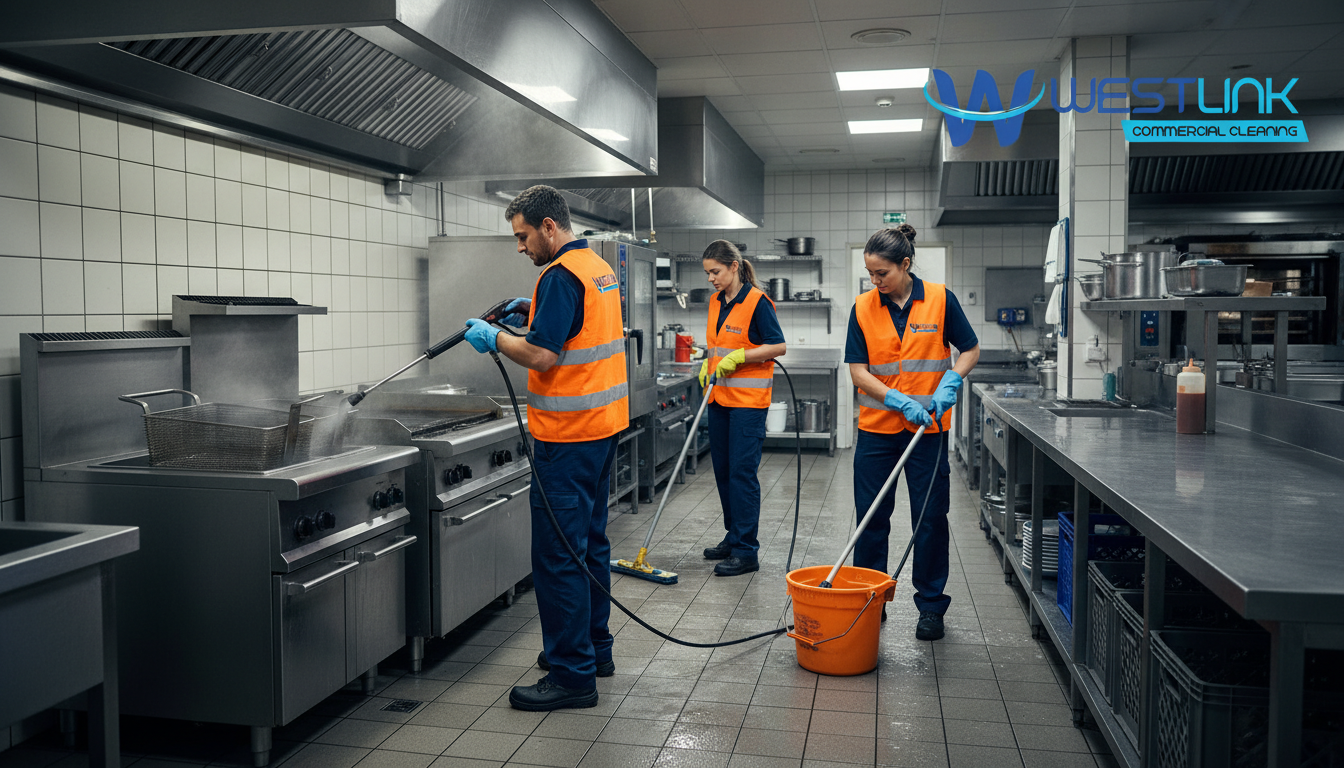
Unlike everyday mopping, professional restaurant kitchen cleaning services bring trained teams who know exactly where dirt hides and how to eliminate it safely. They use specialized tools like high-pressure steam cleaners and industrial vacuums to scrub away stubborn grease on hoods and vents. These experts follow strict hygiene protocols, wearing protective gear to avoid spreading contaminants while they work. By focusing on thorough disinfection, they reduce the chance of pests like rodents or flies invading the space. In the end, their work creates a cleaner environment that supports safe food preparation every day.
Essential Tools and Materials for Effective Cleaning
Professional cleaners rely on powerful equipment such as degreasers, sanitizers, and microfiber cloths that trap dirt without leaving residues. For tough jobs, they might use eco-friendly chemicals that break down oil buildup on grills and fryers, paired with scrub brushes designed for stainless steel surfaces. Methods include steam cleaning to kill bacteria without harsh fumes, and UV lights to check for invisible germs. These tools ensure expected results like shiny, germ-free counters and floors that pass any surprise inspection. Simple examples show their value: a greasy exhaust fan cleaned professionally prevents fire hazards and improves air quality.
Tackling Common Kitchen Problems Head-On
Grease accumulation is a big issue in restaurants, clogging drains and creating slippery surfaces that lead to accidents. Bacteria thrive in moist areas like sinks or under prep tables, causing food spoilage if not addressed. Pests attracted to crumbs and spills can contaminate ingredients, turning a minor mess into a major health violation. Professional services use targeted methods, such as enzyme-based cleaners to dissolve organic waste and barriers to keep bugs out. The result is a safer workspace where staff can focus on cooking without worrying about hidden threats.
The Impact on Food Safety Standards
Maintaining high food safety means regular deep cleans that remove allergens like nuts or gluten residues from shared equipment, preventing reactions in sensitive customers. Health regulations require kitchens to be free of contaminants, and pros help by documenting their work for audits. Simple routines, like disinfecting handles and switches, cut down on germ transmission during peak hours. Overall, these services elevate hygiene levels, leading to fewer customer complaints and a reputation for reliability.
Benefits Beyond Just Cleanliness
A spotless kitchen boosts staff morale, as workers feel safer in a well-maintained space free from odors and clutter. It also extends the life of appliances by removing corrosive buildup, saving money on repairs. Customers notice the difference through fresher-tasting food and a welcoming atmosphere. Professional cleaning supports sustainability by using water-efficient techniques and recyclable materials.
Choosing and Scheduling the Right Service
Look for certified providers with experience in commercial sanitation to ensure they meet industry standards. Schedule cleanings during off-hours to avoid disrupting service, and check reviews for reliability. Good services offer customized plans based on kitchen size and usage. This investment pays off with consistent results and peace of mind.
In summary, professional restaurant kitchen cleaning services are key to fighting hidden germs, preventing common problems like grease and bacteria buildup, and upholding food safety rules. By using the right tools, methods, and materials, they deliver results that keep kitchens hygienic and efficient. The main takeaway is that skipping these services risks health issues and business setbacks, while embracing them protects customers and staff alike. Ultimately, a clean kitchen is the foundation of any successful restaurant, ensuring every meal is safe and enjoyable.
FAQs
What exactly do professional restaurant kitchen cleaning services include?
They cover deep cleaning of surfaces, equipment, floors, and vents using specialized tools to remove grease, bacteria, and other contaminants for better hygiene.
How often should a restaurant use these cleaning services?
It depends on the kitchen's busyness, but most experts recommend deep cleans monthly or quarterly, plus daily maintenance to keep food safety high.
Are the cleaning materials safe for food areas?
Yes, professionals use food-grade sanitizers and eco-friendly products that kill germs without leaving harmful residues on cooking surfaces.
What happens if a kitchen fails a health inspection due to dirt?
The restaurant might face fines, temporary closure, or loss of customers, but regular professional cleanings help avoid these problems by meeting safety standards.
Can small restaurants afford professional cleaning?
Absolutely, many services offer flexible packages for different budgets, and the long-term savings from fewer repairs and health issues make it worthwhile.

 English
 Arabic
 French
 Spanish
 Portuguese
 Turkish
 Dutch
Dutch
 Italiano
 Russian
 Romaian
 Portuguese (Brazil)
 Greek
Greek