


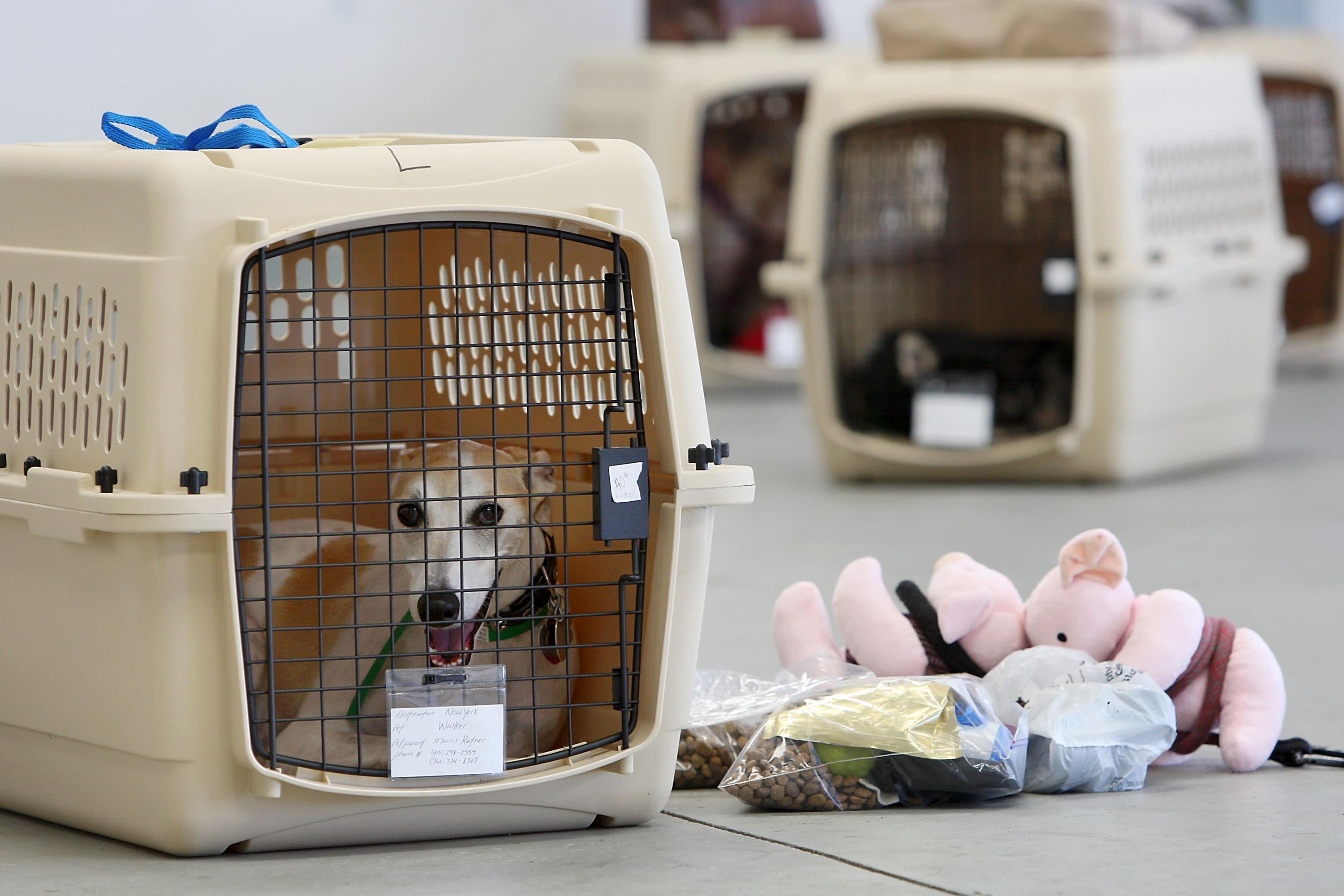
Moving your beloved companion to another country requires careful planning and preparation. International pet travel involves more than just booking a flight ticket. Your furry friend's health and safety must remain your top priority. This comprehensive guide will help you navigate the complexities of overseas pet relocation.
Understanding International Pet Travel Requirements
Every destination country has specific regulations for incoming animals. Research your destination's import requirements at least six months in advance. Different nations maintain varying quarantine periods and health certification standards. Some countries require extensive documentation while others have simpler processes.
The agriculture department of your destination country provides official guidelines. Contact their animal import division to obtain accurate information. Embassy websites often contain outdated or incomplete pet travel information. Always verify requirements directly with the relevant government authority.
Essential Veterinary Preparations Before Departure
Schedule a comprehensive health examination with your veterinarian several months ahead. Your pet needs to be in excellent health for international travel. Underlying medical conditions can worsen during long flights and stressful situations.
Vaccinations form the cornerstone of international pet health requirements. Rabies vaccination is mandatory for almost all international destinations. Most countries require rabies antibody titer tests performed at approved laboratories. These blood tests confirm adequate immunity levels against the rabies virus.
Your veterinarian will administer other required vaccines based on destination requirements. Common vaccinations include distemper, parvovirus, and hepatitis for dogs. Cats typically need protection against feline leukemia and panleukopenia virus.
Parasite prevention treatments must be completed before departure. Internal parasites like roundworms and tapeworms need elimination through deworming. External parasite treatments protect against fleas, ticks, and mites. Documentation proving these treatments is essential for customs clearance.
Obtaining the Necessary Health Certificates
International health certificates authenticate your pet's fitness for overseas travel. A licensed veterinarian must issue this document within specified timeframes. Most countries accept certificates issued within ten days of departure.
The health certificate must then receive endorsement from government authorities. The United States Department of Agriculture provides this endorsement domestically. This process typically takes several business days to complete. Plan accordingly to avoid last-minute complications and potential travel delays.
Some destinations require additional documentation beyond standard health certificates. Import permits, customs declarations, and breed-specific documents may be necessary. Professional Pet Export Services can help navigate these complex documentation requirements efficiently.
Selecting the Right Travel Carrier
Your pet's carrier serves as their safe space during the journey. Airlines have strict regulations regarding carrier dimensions and construction materials. The carrier must allow your pet to stand, turn around, and lie down comfortably.
Ventilation openings must exist on at least three sides of the carrier. Secure locking mechanisms prevent accidental openings during transit. Water and food dishes should attach firmly to the carrier door.
Introduce your pet to their travel carrier weeks before departure. Place familiar bedding and favorite toys inside to create positive associations. Practice short trips in the carrier to reduce anxiety.
Preparing Your Pet for the Flight
Acclimate your companion to their carrier through gradual, positive exposure. Start with short periods and gradually increase the duration. Reward calm behavior with treats and affection throughout the process.
Maintain your pet's regular feeding schedule in the days before travel. Avoid feeding within four hours of departure to prevent motion sickness. Provide access to fresh water until two hours before travel.
Exercise your pet thoroughly on the day of departure. A tired pet is generally calmer during travel than an energetic one. Take dogs for a long walk before heading to the airport.
Managing Stress and Anxiety During Transit
Familiar scents can provide comfort during stressful travel situations. Include an unwashed item of your clothing in the carrier. Your scent will help reassure your pet throughout the journey.
Some pets benefit from natural calming supplements or pheromone sprays. Consult your veterinarian about appropriate anxiety management options for your companion. Avoid sedatives unless specifically recommended by your veterinary professional.
Strong sedation can be dangerous during air travel due to changing cabin pressure. Sedated animals may experience breathing difficulties or cardiovascular complications. Natural calming methods are generally safer for most traveling pets.
Climate Considerations for International Pet Travel
Research the climate conditions of your destination country thoroughly. Extreme temperatures pose serious health risks to traveling animals. Some breeds are particularly vulnerable to heat or cold stress.
Brachycephalic breeds like bulldogs and Persian cats struggle with temperature regulation. These flat-faced animals are at higher risk during air travel. Airlines may restrict travel for these breeds during certain seasons.
Plan your travel dates to avoid extreme weather conditions when possible. Early morning or late evening flights are better during hot months. Daytime flights work better during cold weather periods.
Quarantine Requirements and Procedures
Many countries impose mandatory quarantine periods upon arrival for imported animals. Quarantine facilities vary significantly in quality and accommodation standards. Research the specific facility where your pet will stay.
Some nations allow home quarantine under certain conditions and requirements. Others maintain government-operated facilities where pets must remain under observation. Quarantine duration ranges from a few days to several months.
Visit the quarantine facility virtually or through photographs if possible. Understanding where your pet will stay helps prepare mentally. Pack familiar items to send with your pet for comfort.
Post-Arrival Health Monitoring
Monitor your pet closely for signs of stress or illness after arrival. Changes in appetite, behavior, or energy levels warrant veterinary attention. International travel can suppress immune function temporarily in some animals.
Locate a qualified veterinarian in your new location before arrival. Emergency veterinary services should be readily accessible if needed. Bring copies of all health records for your new veterinarian.
Allow adequate time for your pet to adjust to their new environment. Maintain familiar routines as much as possible during the transition. Patience and consistency will help your companion settle successfully.
Final Thoughts on Safe International Pet Travel
International pet relocation requires extensive preparation and attention to detail. Starting preparations early ensures all requirements are met without rushing. Your pet's health and safety depend on thorough planning and execution.
Working with experienced professionals can simplify the complex process significantly. Proper preparation transforms a potentially stressful experience into a manageable journey. Your careful planning ensures your beloved companion arrives healthy and ready to explore their new home with you.

 English
 Arabic
 French
 Spanish
 Portuguese
 Deutsch
 Turkish
 Italiano
 Russian
 Romaian
 Portuguese (Brazil)
 Greek
Greek