


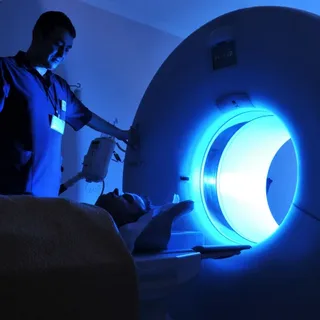
Medical imaging has revolutionized healthcare by providing precise insights into the human body.
In Calgary, access to advanced imaging technologies allows healthcare professionals to detect diseases early.
Diagnostic imaging is critical in evaluating internal organs, bones, and soft tissues for accurate diagnosis.
These imaging techniques guide treatment decisions and improve patient outcomes through non-invasive evaluation.
What Is Diagnostic Imaging?
Diagnostic imaging refers to methods that produce images of the body’s internal structures.
Doctors rely on these tests to identify conditions without surgical intervention.
Imaging tests are essential in monitoring chronic diseases, injuries, and infections effectively.
Patients in Calgary benefit from high-quality imaging facilities offering modern technologies.
X-Ray Imaging
X-rays are the most common and widely used form of imaging.
They utilize small doses of radiation to create images of bones and dense tissues.
X-rays are essential for diagnosing fractures, joint issues, and dental conditions.
Chest X-rays help identify lung infections, tumors, and heart-related complications early.
Calgary hospitals and clinics provide X-ray services with advanced digital systems for accuracy.
Computed Tomography (CT) Scan
CT scans combine multiple X-ray images to produce cross-sectional views of the body.
This imaging test provides detailed visuals of internal organs, blood vessels, and bones.
CT scans are often used in emergency care to detect internal injuries quickly.
Patients with abdominal pain, trauma, or cancer symptoms may undergo CT evaluation.
Calgary’s diagnostic centers use high-speed CT scanners to reduce scan time and discomfort.
Magnetic Resonance Imaging (MRI)
MRI uses powerful magnets and radio waves to generate detailed images of tissues.
Unlike X-rays, MRI does not use ionizing radiation, making it safer for repeated use.
It is highly effective for imaging the brain, spinal cord, joints, and soft tissues.
MRI helps detect tumors, ligament tears, and neurological disorders with high precision.
Advanced MRI technology in Calgary ensures clear images and shorter scanning sessions.
Ultrasound Imaging
Ultrasound uses high-frequency sound waves to create real-time images of organs.
It is commonly used in pregnancy, abdominal exams, and vascular assessments.
Ultrasound is safe, non-invasive, and does not expose patients to radiation.
Doctors rely on ultrasound to monitor fetal development, detect gallstones, and evaluate blood flow.
Calgary clinics offer specialized ultrasound services performed by trained sonographers.
Nuclear Medicine Imaging
Nuclear medicine involves using small amounts of radioactive material to visualize body functions.
It allows doctors to study organ activity, blood flow, and cellular processes.
Common nuclear imaging tests include PET scans, bone scans, and thyroid scans.
These tests are particularly valuable for cancer detection and cardiac assessments.
Patients in Calgary can access nuclear imaging services at hospitals equipped with specialized technology.
Fluoroscopy
Fluoroscopy provides real-time moving X-ray images of the body’s internal structures.
It helps physicians guide procedures, including catheter placement and joint injections.
Fluoroscopy is often used in gastrointestinal studies to examine swallowing or digestion.
This imaging method allows doctors to perform interventions with precision and safety.
Calgary diagnostic centers maintain fluoroscopy equipment that enhances procedural accuracy and patient care.
Mammography
Mammography uses low-dose X-rays to detect breast abnormalities and early signs of cancer.
Routine mammograms are essential for women above 40 to identify breast issues early.
Digital mammography enhances image clarity, enabling better detection of small tumors.
Calgary offers specialized breast imaging centers with experienced radiologists for accurate analysis.
Bone Densitometry (DEXA)
DEXA scans measure bone mineral density to assess osteoporosis risk.
Early detection allows doctors to recommend lifestyle changes or medications to prevent fractures.
This test is quick, painless, and uses minimal radiation exposure.
Calgary patients benefit from DEXA scanning services offered at major medical facilities.
Interventional Radiology
Interventional radiology combines imaging and minimally invasive procedures to treat diseases.
Doctors perform procedures like biopsies, stent placements, and tumor ablations guided by imaging.
It reduces recovery time compared to traditional surgery and enhances patient safety.
Calgary hospitals employ interventional radiology to manage complex conditions effectively.
Choosing the Right Imaging Test
The choice of imaging depends on the patient’s symptoms, age, and medical history.
Doctors consider risks, benefits, and accuracy when recommending diagnostic procedures.
Advanced imaging technology ensures precise diagnosis while minimizing discomfort and exposure.
Calgary residents can consult experienced radiologists to determine the most suitable imaging method.
Importance of Early Detection
Early detection through imaging saves lives by identifying conditions before symptoms worsen.
Screening tests like mammograms, CT, and MRI can prevent complications and improve survival rates.
Timely imaging allows physicians to create personalized treatment plans for better outcomes.
Diagnostic imaging Calgary services support proactive healthcare and community well-being.
Conclusion
Diagnostic imaging plays a vital role in modern medicine by providing accurate insights.
X-rays, CT scans, MRI, and ultrasound are just a few tools used in Calgary.
Nuclear medicine, fluoroscopy, and interventional radiology expand treatment and diagnostic possibilities.
Patients benefit from early detection, precise diagnosis, and minimally invasive treatment options.
Calgary’s advanced imaging facilities ensure high-quality care for every patient in need.

 Arabic
 French
 Spanish
 Portuguese
 Deutsch
 Turkish
 Dutch
Dutch
 Italiano
 Russian
 Romaian
 Portuguese (Brazil)
 Greek
Greek