


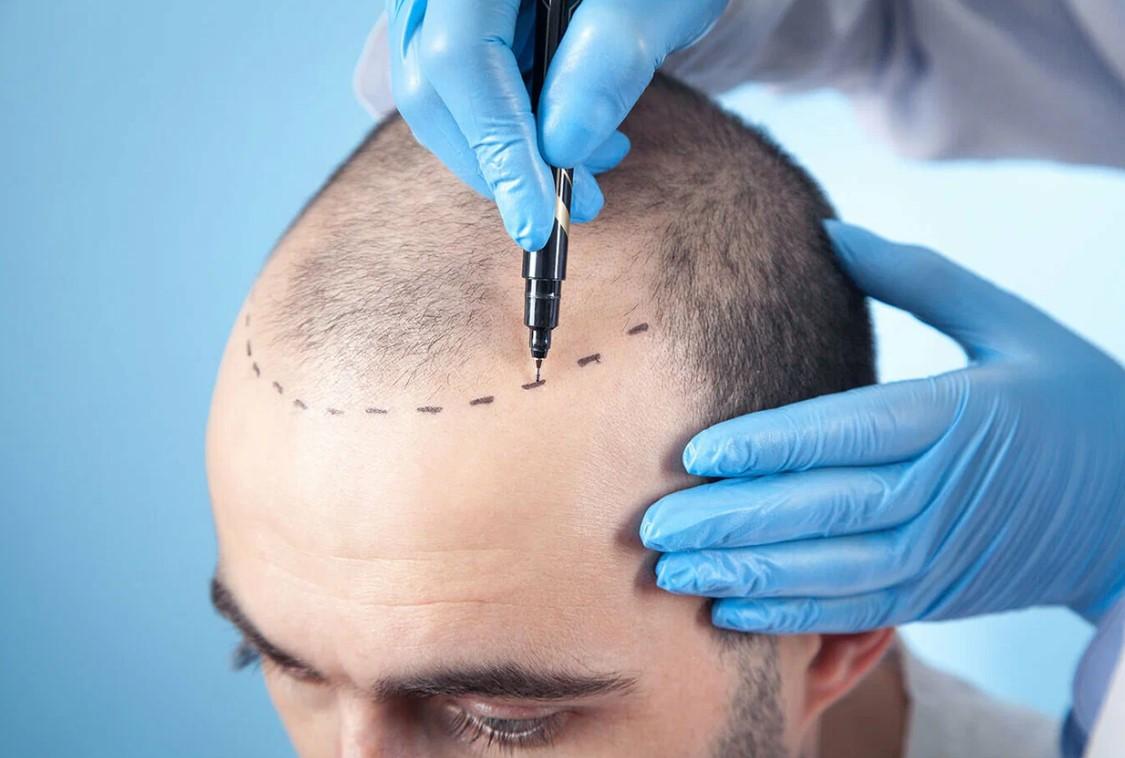
Exosomes have become a major topic in regenerative medicine, especially in hair restoration. Their ability to carry signaling molecules and influence cell behavior makes them a promising tool for hair follicle regeneration. Understanding the science behind exosomes and how they work with hair follicles can help you decide whether exosome therapy is a suitable option for hair loss. Hair loss with exosomes in Riyadh is becoming a popular regenerative option for people seeking non-surgical solutions to thinning hair.
What Are Exosomes?
Exosomes are tiny, naturally occurring particles released by cells. They are a type of extracellular vesicle—small bubbles made of a lipid membrane that contain proteins, RNA, and other bioactive molecules. Think of them as the body’s natural communication system. Cells release exosomes to send information to other cells, helping coordinate healing, growth, and immune responses.
Exosomes are different from stem cells because they do not contain whole cells or DNA that can divide. Instead, they act like messengers that instruct cells to behave in a certain way. In hair restoration, exosomes are used to deliver signals that can activate and regenerate hair follicles.
How Hair Follicles Work
To understand how exosomes can help hair growth, it is important to know how hair follicles function. Hair follicles go through a cycle that includes:
-
Anagen (growth phase)
-
Catagen (transition phase)
-
Telogen (resting phase)
Healthy hair follicles spend a long time in the anagen phase, which is why hair grows steadily. Hair loss occurs when the growth phase shortens, and more follicles enter the resting phase. In many types of hair loss, especially androgenetic alopecia (pattern baldness), follicles shrink over time and become weaker. Eventually, they may stop producing hair altogether.
How Exosomes Affect Hair Follicles
Exosomes can influence hair follicles in several key ways:
1. Stimulating Hair Follicle Stem Cells
Hair follicle stem cells are responsible for generating new hair. In thinning hair, these stem cells become less active. Exosomes can deliver growth factors and signaling molecules that reactivate these stem cells, encouraging them to enter the growth phase and produce stronger hair.
2. Improving Cell Communication
Hair follicles are complex structures that rely on communication between different cell types, such as dermal papilla cells and epidermal cells. Exosomes contain microRNAs and proteins that help improve this communication, leading to better coordination in the hair growth process.
3. Reducing Inflammation
Inflammation is a major factor in hair loss. It can damage follicles and disrupt the hair growth cycle. Exosomes carry anti-inflammatory molecules that can help calm the scalp environment. This creates a healthier setting for follicles to function properly.
4. Promoting Blood Supply
Hair follicles require oxygen and nutrients, which are delivered through blood vessels. Exosomes can stimulate the formation of new blood vessels and improve circulation around the follicle. This enhanced blood supply supports stronger hair growth and healthier follicles.
5. Supporting Dermal Papilla Cells
Dermal papilla cells play a key role in controlling the hair growth cycle. When these cells are damaged or weakened, hair growth slows down. Exosomes can help repair and strengthen these cells, supporting better hair production.
Why Exosomes Are Considered Powerful
One of the reasons exosomes are seen as powerful in hair restoration is their ability to deliver a concentrated mix of regenerative signals without using whole cells. This means they can trigger healing and growth without the complexity and risks associated with stem cell therapies. They are also small enough to penetrate deep into scalp tissues when injected or applied through microneedling.
Because exosomes are derived from regenerative cell types, they carry a higher concentration of growth factors than what may be available in a patient’s own blood. This is why some clinics use exosomes as an advanced option for hair loss treatment.
Limitations and Considerations
Despite the promise, exosome therapy is still emerging in the field of hair restoration. While early studies and clinical observations show positive results, larger long-term studies are still needed to fully understand how effective it is compared to other treatments. Additionally, not all exosome products are the same. The quality, source, and processing method can impact the results.
Exosome therapy may not be effective for advanced hair loss where follicles are completely inactive or scarred. In such cases, hair transplant surgery may be a more suitable option.
Conclusion
The science behind exosomes and hair follicle regeneration is grounded in the concept of cellular communication and regeneration. Exosomes act as powerful messengers that can stimulate hair follicle stem cells, reduce inflammation, improve blood flow, and support the overall scalp environment. While they represent a promising advancement in hair restoration, realistic expectations and proper clinical guidance are essential for achieving the best results. For many people experiencing early to moderate hair thinning, exosome therapy offers a modern, non-surgical option that taps into the body’s natural regenerative potential.

 Arabic
 French
 Spanish
 Portuguese
 Deutsch
 Turkish
 Dutch
Dutch
 Italiano
 Russian
 Romaian
 Portuguese (Brazil)
 Greek
Greek