


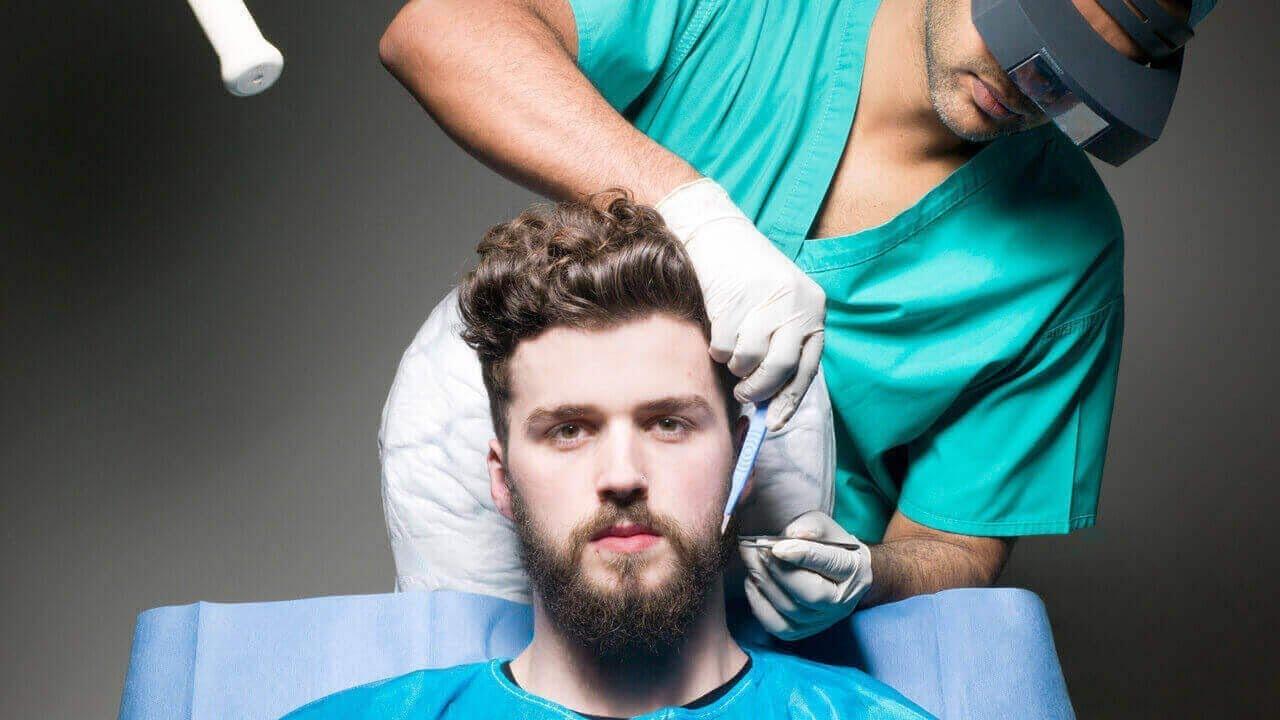
A beard hair transplant can be a transformative procedure for men who struggle with patchy facial hair, uneven growth, or scars that prevent normal beard development. Riyadh offers modern clinics and skilled surgeons, making it a popular destination for this cosmetic treatment. However, achieving natural-looking results depends not only on the surgeon’s expertise but also on realistic expectations, proper planning, and understanding how the transplant works. This guide will help you understand what to expect, how natural results look, and what factors influence the outcome. Beard hair transplant in Riyadh is a popular choice for men looking to fill in patchy areas and achieve a fuller, natural-looking beard.
What Does “Natural-Looking” Mean?
Natural-looking beard transplant results mean that the new hair blends seamlessly with your existing facial hair and follows the natural growth direction and pattern of your beard. It should not look “pluggy,” overly dense, or uneven. The transplanted hair should grow in a way that appears as if it was naturally grown, without visible signs of surgery or artificial shaping.
A natural result depends on several key factors:
-
Proper hairline and beard design
-
Correct angle and direction of hair placement
-
Balanced density that matches existing hair
-
High-quality graft survival and growth
Realistic Expectations: What You Can Expect
1. Gradual Growth Over Time
A beard transplant is not an instant transformation. After the procedure, you will go through several phases, including scabbing and shedding. Most transplanted hair sheds within the first few weeks, which is normal. New hair typically starts to appear around 3 to 4 months, with noticeable improvement by 6 months. Full results are usually visible after 9 to 12 months.
2. Density Depends on Donor Hair
The density of your new beard depends on how much donor hair is available and the size of the area being treated. If you want a very thick beard, the surgeon may need to extract a large number of grafts. However, donor hair is limited, and overharvesting can lead to visible thinning on the scalp. Therefore, the final density must be balanced with what your donor area can safely provide.
3. Not All Hair Will Grow Immediately
Even with a successful transplant, some follicles may enter a resting phase before growing. It is normal for hair to grow at different times. Patience is essential because growth continues gradually over many months.
How Natural Results Are Achieved
1. Correct Hair Direction and Angle
Facial hair grows in specific directions depending on the area. For example, cheek hair grows downward and slightly outward, while chin hair may grow downward and forward. A skilled surgeon places each graft at the correct angle to match this natural direction. If the angle is incorrect, the beard can look unnatural or “stuck” to the skin.
2. Matching Hair Thickness
Hair transplanted from the scalp may be thicker or finer than your natural beard hair. A skilled surgeon selects the best donor hairs and places them in a way that blends with existing facial hair. In some cases, a small amount of trimming or styling may be required after growth begins to achieve a uniform look.
3. Natural Beard Shape and Border
The shape of the beard must suit your facial structure. A natural-looking beard follows the natural borders of your jawline and chin, without sharp or artificial lines. A good surgeon designs the beard to match your face, age, and style preferences.
Common Misconceptions
1. “I Will Get a Full Beard Immediately”
This is not true. The process is gradual and requires time. Expect a period of shedding and slow growth.
2. “More Grafts Means Better Results”
More grafts can increase density, but only if the donor area supports it. Overharvesting can damage the scalp and affect future hair availability.
3. “The Beard Will Look Perfect from Day One”
Initially, the area may look red, scabby, or slightly swollen. The final look only appears after months of growth.
Factors That Influence Natural Results
-
Skill and experience of the surgeon
-
Quality and density of donor hair
-
Skin type and healing ability
-
Adherence to aftercare instructions
-
Lifestyle factors such as smoking and diet
Final Thoughts
A beard hair transplant in Riyadh can deliver natural-looking and long-lasting results when performed by an experienced specialist and paired with realistic expectations. The key is understanding that the process is gradual, density is limited by donor hair, and the final appearance depends on correct hair direction, natural beard shape, and proper aftercare. If you are considering a beard transplant, consult a qualified surgeon who can assess your beard pattern, donor hair availability, and provide a clear plan for achieving a natural and balanced result.

 English
 Arabic
 French
 Spanish
 Portuguese
 Deutsch
 Turkish
 Dutch
Dutch
 Italiano
 Russian
 Portuguese (Brazil)
 Greek
Greek