


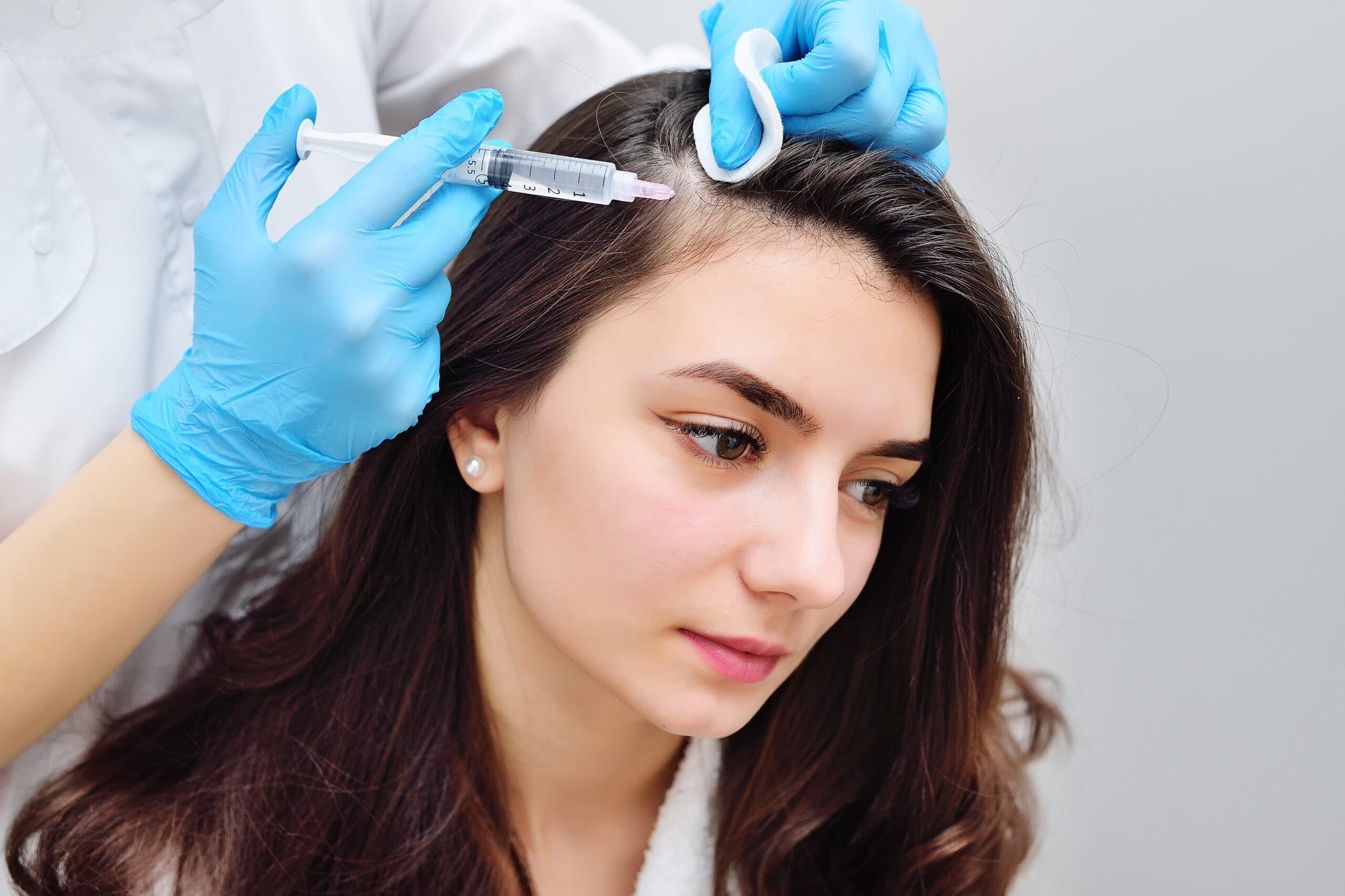
Plasma injection for hair, commonly known as PRP (Platelet-Rich Plasma) therapy, is a popular hair restoration treatment in Riyadh. Many people choose PRP because it is natural, non-surgical, and has minimal downtime. PRP uses your own blood to stimulate hair follicles and improve hair thickness. While results can vary from person to person, understanding the expected timeline can help you set realistic expectations and plan your treatment effectively. Plasma injection for hairs in Riyadh is becoming a popular option for people seeking natural hair regrowth with minimal downtime.
What to Expect from PRP Treatment
PRP therapy involves drawing a small amount of blood, processing it to concentrate the platelets, and injecting the plasma into the scalp. The growth factors in the plasma help stimulate hair follicles, improve blood circulation, and strengthen hair roots. Because hair growth is a slow process, PRP results do not appear immediately. It takes time for the hair follicles to respond and for new hair to grow.
Initial Consultation and Planning
Before the treatment starts, you will have a consultation with a dermatologist or hair specialist. During this visit, the doctor will evaluate your hair condition, discuss your hair loss history, and determine if PRP is suitable for you. PRP is most effective for early to moderate hair thinning. The doctor will also create a treatment plan based on your hair condition, including the number of sessions and the schedule.
Week 1: After the First Session
After the first PRP session, many patients experience mild redness, tenderness, or swelling in the treated area. These side effects are temporary and usually fade within 24 to 48 hours. Some people may notice a slight increase in hair shedding during the first week. This is often normal and can occur because hair follicles are entering a new growth phase.
It is important to follow post-treatment care instructions, such as avoiding washing your hair for 24 hours, avoiding heavy workouts, and avoiding direct sun exposure for a short period.
Weeks 2 to 4: Early Changes
In the first month, most patients do not see major visible changes. However, the scalp may feel healthier, and hair may feel stronger. Some patients notice reduced hair shedding during this period, which is a positive sign that the follicles are responding to the treatment. The initial improvements are usually subtle and may not be easily noticeable in the mirror.
Months 2 to 3: Visible Improvements Start
Between the second and third month, many patients start noticing visible improvements. Hair shedding often reduces significantly, and hair may appear thicker. New hair growth may begin to appear in areas that were thinning. The results vary depending on the individual’s age, genetics, lifestyle, and the severity of hair loss.
At this stage, patients may feel more confident and satisfied with the progress. However, it is important to remember that hair growth is gradual, and the full benefits of PRP usually require multiple sessions.
Months 4 to 6: Most Noticeable Results
The most noticeable results of PRP typically appear between 4 to 6 months after starting treatment. During this time, hair density improves, and the overall hair quality becomes better. Many patients notice that their hair becomes thicker, stronger, and shinier. Hairlines may appear fuller, and the scalp may look less visible.
If the treatment plan includes multiple sessions, this period often reflects the combined effect of the initial and subsequent sessions. Patients who follow the recommended schedule and maintain a healthy lifestyle usually achieve the best results.
Months 7 to 12: Maintenance and Long-Term Results
After completing the initial sessions, maintenance treatments are often recommended every 6 to 12 months. This helps maintain the results and prevent future hair thinning. PRP is not a permanent cure, but it can significantly slow down hair loss and support hair health over time.
Long-term results depend on factors such as genetics, age, hormone levels, and overall health. Some patients continue to see improvements for up to a year after treatment, while others may need additional sessions to sustain the results.
What Results Are Realistic?
PRP is most effective for individuals with early-stage hair loss and active hair follicles. It can help reduce shedding, improve hair thickness, and stimulate new hair growth. However, PRP may not be as effective for advanced baldness where follicles are inactive. In such cases, hair transplant surgery may be a more suitable option.
It is also important to have realistic expectations. PRP can improve hair quality and slow down hair loss, but it may not fully restore a dense hairline. Results vary from person to person, and a proper assessment by a qualified specialist is essential.

 Arabic
 French
 Spanish
 Portuguese
 Deutsch
 Turkish
 Dutch
Dutch
 Italiano
 Russian
 Romaian
 Portuguese (Brazil)
 Greek
Greek