


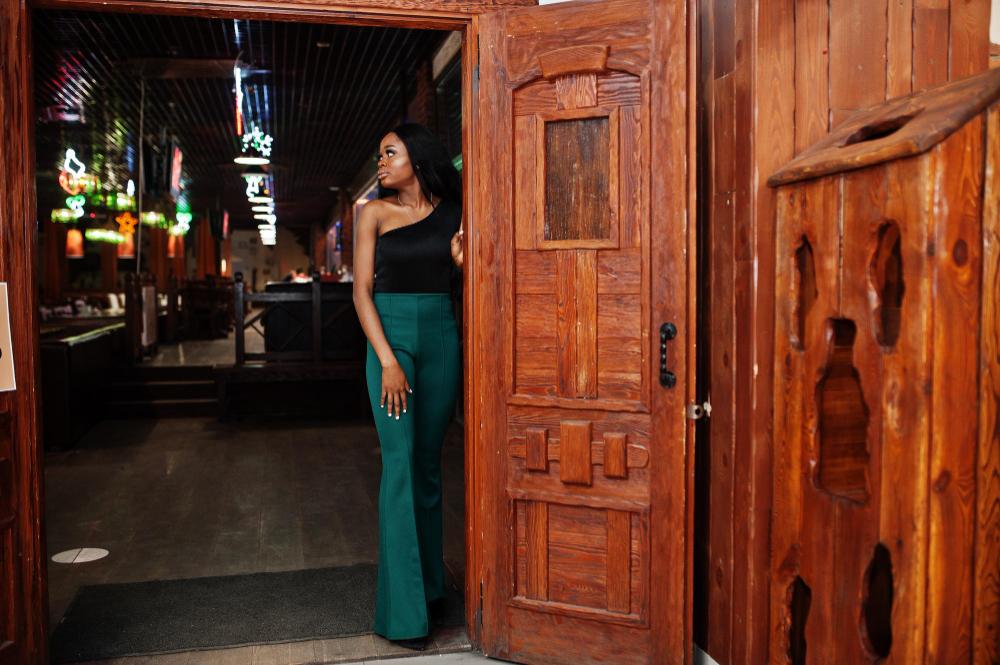
Interior and architectural finishes play a significant role in shaping the character and functionality of built environments. Among these finishes, wood wall paneling has maintained long-standing relevance due to its versatility, durability, and visual warmth. In the United Arab Emirates, where architecture blends modern innovation with cultural influences, wood wall paneling is widely used across residential, commercial, hospitality, and institutional spaces. Its adaptability to both traditional and contemporary design approaches has contributed to its continued application in the region.
This article provides a detailed, non-promotional overview of wood wall paneling, focusing on its types, materials, installation considerations, climatic suitability, and common applications within the UAE.
Understanding Wood Wall Paneling
Wood wall paneling refers to the use of wood or wood-based materials applied to interior or exterior walls for functional and decorative purposes. Panels may cover entire walls or specific sections, depending on design intent and spatial requirements. Historically, wood paneling served insulation and protection functions, but in modern construction, it is primarily valued for its aesthetic and acoustic properties.
In the UAE, wood wall paneling is often integrated into spaces to add texture, depth, and visual contrast, especially in environments dominated by glass, metal, and stone finishes.
Types of Wood Wall Paneling
Several types of wood wall paneling are commonly used, each offering different visual and functional characteristics.
Solid Wood Paneling
Solid wood panels are manufactured from natural timber. They are known for their durability and natural grain patterns. However, in regions like the UAE, solid wood must be carefully treated to withstand temperature variations and humidity.
Engineered Wood Paneling
Engineered panels are composed of multiple layers of wood bonded together. These panels offer greater dimensional stability compared to solid wood, making them suitable for controlled interior environments.
Veneer Wood Paneling
Veneer panels consist of a thin layer of natural wood applied over a composite core. This option allows for the appearance of natural wood while reducing material usage and cost.
MDF and HDF Panels
Medium-density fiberboard (MDF) and high-density fiberboard (HDF) panels are commonly used due to their smooth finish and adaptability. They are often finished with wood veneers or laminates to achieve a wood-like appearance.
Reclaimed Wood Paneling
Reclaimed wood paneling uses salvaged timber, offering a weathered aesthetic. This type is less common but is sometimes used in feature walls and hospitality interiors.
Design Applications of Wood Wall Paneling
Wood wall paneling is used across a wide range of interior settings in the UAE.
Residential Interiors
In homes, wood wall paneling is often applied in living rooms, bedrooms, dining areas, and home offices. Feature walls, headboards, and TV backdrops frequently incorporate wood panels to create visual focal points.
Commercial Spaces
Office environments use wood wall paneling to introduce warmth and professionalism. Panels may also contribute to acoustic performance in meeting rooms and executive areas.
Hospitality and Leisure
Hotels, resorts, and restaurants often use wood wall paneling to create inviting atmospheres. Paneling is applied in lobbies, lounges, corridors, and dining areas to enhance spatial identity.
Retail Environments
Retail interiors may incorporate wood wall paneling to support brand narratives and guide customer movement. Panel designs are often combined with lighting and display systems.
Institutional and Cultural Buildings
Museums, galleries, and cultural centers in the UAE sometimes use wood wall paneling to balance modern architectural forms with natural materials.
Climatic Considerations in the UAE
The UAE’s climate presents specific challenges for wood-based materials. High temperatures, humidity fluctuations, and air-conditioned interiors can affect the performance of wood wall paneling.
To address these conditions, materials are typically treated with sealants, moisture-resistant coatings, and fire-retardant finishes. Engineered and composite panels are often preferred due to their improved stability. Proper installation techniques, including expansion gaps and controlled fixing systems, are essential to prevent warping or cracking.
Installation Methods and Techniques
The installation of wood wall paneling depends on panel type, wall condition, and design requirements.
Direct Fixing
Panels are fixed directly onto prepared wall surfaces using adhesives or mechanical fasteners. This method is suitable for lightweight panels and flat walls.
Batten System Installation
A substructure of wooden or metal battens is installed first, allowing panels to be fixed with improved alignment and ventilation. This method is commonly used in the UAE to accommodate services and airflow.
Modular Panel Systems
Some wood wall paneling systems are designed as modular units, allowing for easier installation, replacement,
Attention to alignment, joint detailing, and finishing is critical to achieving a consistent and durable result.
Acoustic and Functional Benefits
Beyond aesthetics, wood wall paneling offers functional advantages. Certain panel designs incorporate perforations or backing materials that enhance sound absorption. This makes wood wall paneling suitable for spaces where acoustic comfort is important, such as offices, conference rooms, and hospitality venues.
Additionally, wall paneling can conceal services, wiring, and structural elements, contributing to cleaner interior layouts.
Maintenance and Longevity
Proper maintenance extends the lifespan of wood wall paneling. In interior environments, routine dusting and cleaning with appropriate products are generally sufficient. Avoiding excessive moisture and direct exposure to sunlight helps preserve surface finishes.
In the UAE, where interiors are often air-conditioned, maintaining stable indoor humidity levels supports the long-term performance of wood panels.
Sustainability and Material Sourcing
Sustainability considerations are increasingly influencing material selection in the UAE’s construction sector. Wood wall paneling sourced from responsibly managed forests or manufactured using recycled content aligns with environmental objectives.
Engineered wood products often make more efficient use of raw materials, reducing waste. Low-emission finishes and adhesives also contribute to healthier indoor environments.
Design Trends Involving Wood Wall Paneling
Current design trends in the UAE reflect a preference for natural textures combined with modern forms. Vertical and horizontal slatted wood wall paneling is frequently used to add rhythm and depth to interiors. Dark-toned panels are often contrasted with lighter finishes, while minimalist designs emphasize clean lines and subtle detailing.
Wood wall paneling is also increasingly integrated with lighting elements, such as concealed LED strips, to enhance texture and create layered visual effects.
Conclusion
Wood wall paneling remains a relevant and adaptable interior finish within the UAE’s diverse architectural landscape. Its ability to combine aesthetic appeal with functional benefits makes it suitable for a wide range of applications, from residential interiors to large-scale commercial and hospitality projects.
By understanding material options, climatic considerations, installation methods, and maintenance requirements, stakeholders can make informed decisions regarding the use of wood wall paneling. As design preferences continue to evolve, wood wall paneling is likely to remain a valued element in shaping interior environments that balance modernity, comfort, and material authenticity.

 English
 Arabic
 French
 Spanish
 Portuguese
 Deutsch
 Turkish
 Dutch
Dutch
 Italiano
 Russian
 Romaian
 Portuguese (Brazil)