


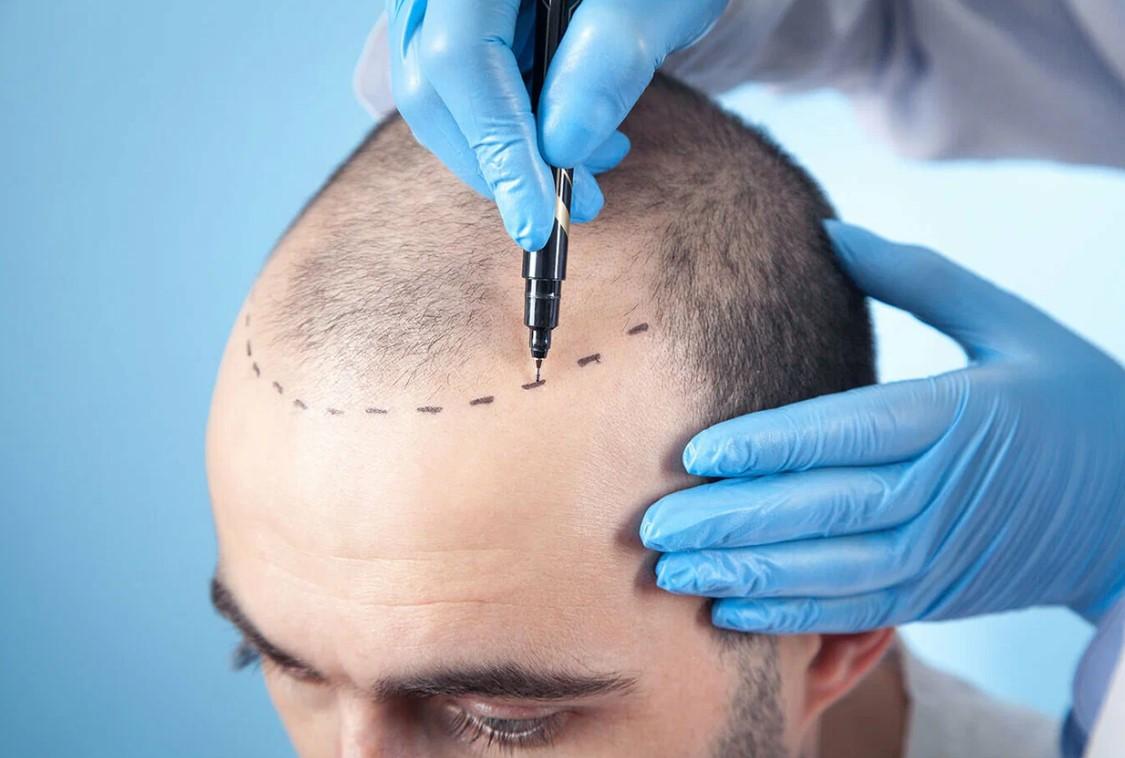
A hair transplant is a major decision, and understanding the recovery timeline and aftercare is essential for achieving the best results. In Riyadh, hair transplant procedures are widely available, and clinics typically follow modern techniques like FUE, FUT, and DHI. Regardless of the method, the recovery process and aftercare are similar. Knowing what to expect can help you plan your schedule, avoid complications, and enjoy a smoother healing journey. Hair transplant in Riyadh is becoming increasingly popular as more people seek long-lasting solutions for hair loss.
Recovery Timeline
First 24 Hours
Immediately after the procedure, the scalp will be sensitive and slightly swollen. You may notice redness and tiny scabs forming around each transplanted hair graft. Your surgeon will likely apply a light dressing or recommend a gentle cleaning routine. It is normal to feel mild discomfort, which can be managed with prescribed pain medication.
Days 2 to 5
During this period, swelling and tenderness may peak. Swelling around the forehead and eyes is common, especially if you sleep flat or move around too much. Your surgeon may recommend sleeping with your head elevated to reduce swelling. You should avoid strenuous activity and stay away from heat exposure, including saunas and intense sunlight.
Days 6 to 14
By the second week, most swelling and redness begin to subside. The scabs around the grafts will start to fall off naturally. It is important not to pick at the scabs, as this can dislodge grafts and affect results. Some people may notice mild itching as the scalp heals, which is normal. The hair follicles are now settling into their new position.
Weeks 3 to 4
Around this time, you may experience what is known as “shock loss.” This is when the transplanted hair sheds. It may seem alarming, but this is a normal part of the healing process. The follicles enter a resting phase before starting to grow again. Shedding can also occur in the surrounding native hair due to stress and swelling, but this is usually temporary.
Months 2 to 4
New hair growth begins during this phase. Initially, the hair may appear thin and fine, but it gradually becomes thicker and more natural-looking. Patients often start to see noticeable improvement in hair density and coverage. This is a key stage where patience is important, as results are not yet final.
Months 5 to 8
Hair growth becomes more prominent, and the transplanted hair starts to blend with existing hair. Many patients feel more confident and satisfied during this stage. The texture and thickness improve significantly, and the hairline appears more natural.
Months 9 to 12
By this time, most patients achieve their final results. The hair looks fuller, and the overall appearance is complete. Some patients may continue to see slight improvements in thickness even after one year.
Aftercare Tips for Best Results
1. Follow Your Surgeon’s Instructions
Every clinic may have slightly different aftercare guidelines. It is important to follow the specific instructions provided by your surgeon. These guidelines are tailored to your technique, scalp condition, and the number of grafts.
2. Keep the Scalp Clean
Cleaning the scalp gently is crucial to prevent infection and ensure proper healing. Your surgeon will provide a special shampoo and a washing method. Usually, you will be advised to start washing your scalp a few days after the procedure. Avoid rubbing or scrubbing the grafts.
3. Avoid Touching or Picking
Do not touch the transplanted area with dirty hands. Avoid scratching or picking at scabs. Picking can dislodge grafts and lead to patchy results or infection.
4. Avoid Physical Activity
For at least 1 to 2 weeks, avoid strenuous workouts, heavy lifting, and intense physical activity. Exercise increases blood flow and sweating, which can affect the healing grafts. Light walking is usually okay, but always follow your surgeon’s advice.
5. Protect Your Scalp from Sun
Direct sunlight can damage the healing scalp and cause redness or burning. Avoid sun exposure for at least a few weeks after the procedure. If you need to go outside, wear a loose hat or use a scarf to cover your scalp.
6. Avoid Smoking and Alcohol
Smoking reduces blood flow to the scalp, which can slow healing and affect graft survival. Alcohol can also interfere with the healing process and increase swelling. It is best to avoid both for at least two weeks after the procedure.
7. Sleep in an Elevated Position
Sleeping with your head elevated helps reduce swelling. Many surgeons recommend using extra pillows or a recliner for the first few nights.
8. Be Patient
Hair transplant results take time. Do not be discouraged by initial shedding. Focus on long-term progress and follow your aftercare plan consistently.

 Arabic
 French
 Spanish
 Portuguese
 Deutsch
 Turkish
 Dutch
Dutch
 Italiano
 Russian
 Romaian
 Portuguese (Brazil)
 Greek
Greek