


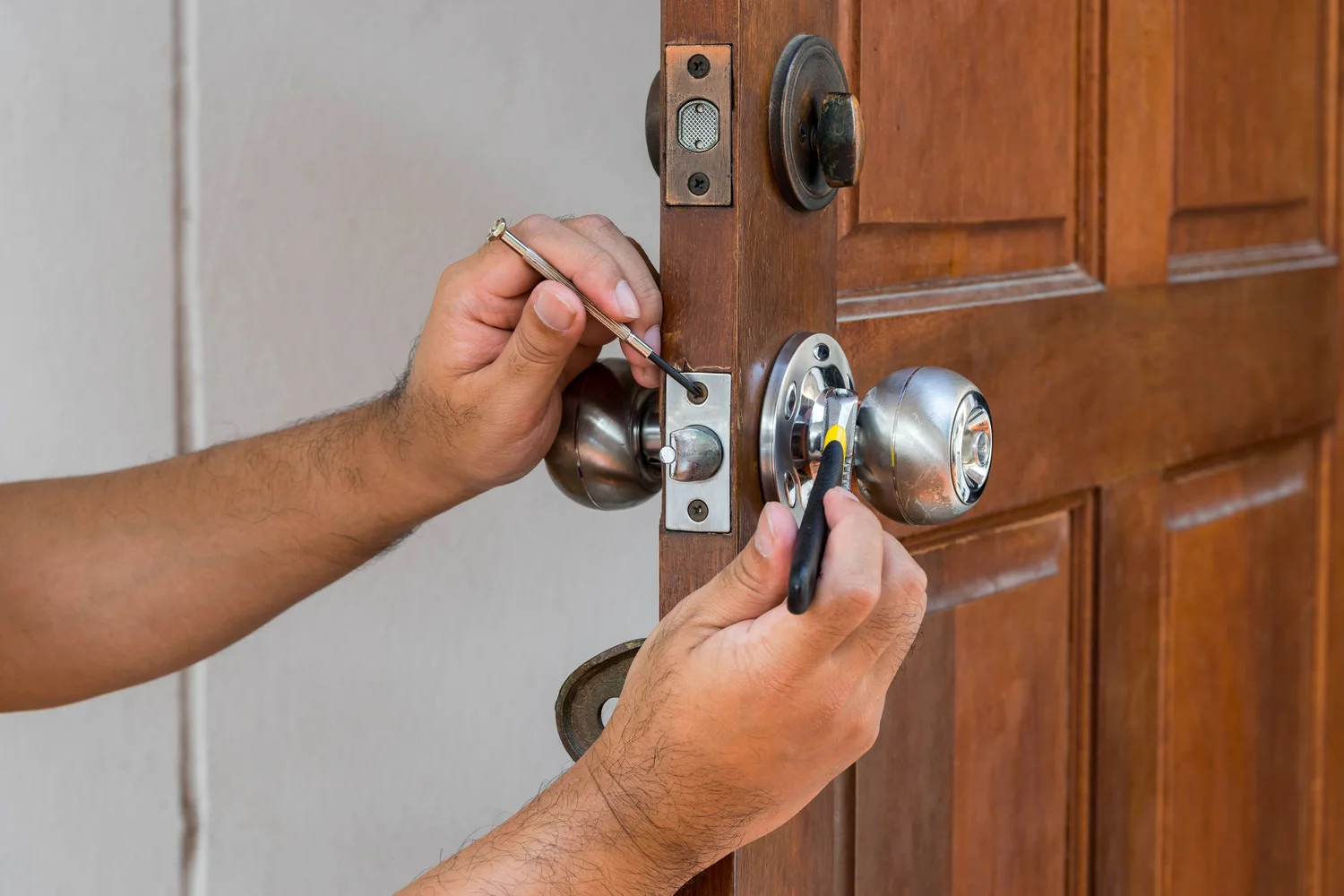
Have you ever turned your key and felt a slight resistance that was not there before, or noticed that the lock suddenly needs more effort than usual to open? That small change is often the first warning sign that your lock is beginning to fail. Locks rarely stop working overnight. In most cases, the problem develops slowly, giving subtle signals long before a complete breakdown happens. Recognising these early signs can help you avoid lockouts, door damage, and unnecessary stress.
Many homeowners believe lock issues appear suddenly, but the truth is that wear builds up over time due to frequent use, exposure to weather, and natural ageing of materials. When these factors combine, even a lock that looks fine on the outside may begin to struggle internally. This is where residential locksmith services play an important role, as trained professionals know how to identify early wear and correct it before it turns into a serious security issue.
Early Changes in How Your Lock Feels
One of the first things people notice is a change in how the lock feels during everyday use. The key might not slide in as smoothly as it once did, or it may need to be jiggled slightly to turn. You might also feel extra resistance when rotating the key or pushing the handle dow n. These changes usually point to internal components wearing down or shifting out of alignment.
Locks rely on small moving parts such as pins, springs, and cylinders, all of which are designed to work together smoothly. Over time, these parts can weaken, bend, or collect debris, which affects how the lock operates. When this stage is ignored, the problem often worsens quickly, leading to a lock that jams or refuses to open at all.
Inconsistent Performance from Day to Day
Another clear sign of trouble is inconsistency. A lock that works perfectly one day but struggles the next is trying to tell you something. This usually means internal components are reaching the end of their useful life. Changes in temperature or humidity can make the problem more noticeable, as metal parts expand or contract slightly.
Many homeowners overlook this sign because the lock still functions most of the time. Unfortunately, inconsistent performance often leads to sudden failure at the worst possible moment, such as when you are in a hurry or returning home late at night. Acting early gives you more control and more options.
Unusual Sounds During Operation
Locks are designed to operate quietly, so any new or unusual sounds should raise concern. Clicking, grinding, or scraping noises often indicate friction inside the lock. This friction may be caused by dirt buildup, rust, or damaged internal parts that are no longer moving freely.
Trying to force the lock or applying household oil can actually make the situation worse by pushing debris deeper inside the mechanism. Instead of fixing the problem, these actions often speed up wear and increase the risk of a full lock failure. A proper inspection is the safest way to address these sounds.
When Lock Issues Turn into Emergencies
As lock problems progress, they begin to affect both convenience and security. A lock that does not fully engage may leave your door partially unsecured, even if it looks closed from the outside. This creates a weak point that can be exploited during a break-in attempt.
Many emergency calls happen because early warning signs were ignored. Homeowners often find themselves locked out or unable to secure their doors, which is when a 24 hour emergency locksmith becomes necessary. These situations are stressful and costly, especially when they could have been prevented with earlier attention.
Environmental Factors That Speed Up Wear
Environmental conditions have a major impact on lock performance. High humidity can lead to rust, while dust and debris can enter through the keyway and interfere with internal movement. Extreme heat or cold can weaken springs and affect alignment, making locks harder to operate.
Homes located near busy roads or construction areas may experience faster wear due to constant vibration and increased dust levels. Regular checks help counter these effects and extend the life of your locks, especially on doors that are exposed to the elements.
The Impact of Poor Installation and Door Alignment
Even a high-quality lock can fail early if it was not installed correctly. Poor alignment between the door, frame, and strike plate causes uneven wear and added stress on the lock mechanism. Over time, doors may sag slightly, which further increases pressure on the hardware.
When hinges, frames, and locks are not working together properly, the lock absorbs most of the strain. This often results in sticking, misfires, or internal damage that could have been avoided with correct installation and periodic adjustments.
Why Delaying Repairs Leads to Higher Costs
Many homeowners delay dealing with lock issues because the lock still works, even if it feels different. This delay often results in higher costs later on, as minor repairs turn into full replacements. In some cases, a failing lock can also damage the door or frame, adding even more expense.
Taking action early is usually simpler and more affordable. Small adjustments or part replacements can restore smooth operation and improve security without the need for major work.
Simple Steps That Help Prevent Failure
Basic lock maintenance makes a noticeable difference, yet it is often overlooked. Checking alignment, keeping keyways clean, and testing all entry points once a year can help spot problems early. Back and side doors are especially important to check, as they are often exposed to weather and used less frequently.
Upgrading old or worn locks before they fail completely can also improve daily use and peace of mind. Modern locks are designed to be more durable and secure, making them a worthwhile investment for long-term home safety.
Why Professional Inspection Matters
Locks are mechanical systems, and like any mechanical system, they wear out over time. The difference is that lock failure often happens without warning if early signs are ignored. Professionals are trained to spot issues that are not obvious on the surface, such as internal wear or subtle alignment problems.
A professional inspection helps ensure your locks continue to protect your home, routines, and privacy. Addressing small issues early keeps you in control and reduces the risk of unexpected emergencies.
FAQs
What is usually the first sign that a lock is failing?
The earliest sign is often resistance when turning the key or handle, which suggests internal wear or alignment issues.
Can weather conditions really affect how locks work?
Yes, changes in temperature and humidity can cause metal parts to expand, contract, or rust, leading to poor performance.
Is it a good idea to use oil on a sticking lock?
No, oil can attract dirt and create buildup inside the lock, which may worsen the problem over time.
How often should home locks be inspected?
Locks should be checked at least once a year or whenever you notice changes in how they operate.
Should a lock be repaired or replaced when problems appear?
This depends on the level of wear, and a professional assessment is the best way to determine the safest option.

 English
 Arabic
 Spanish
 Portuguese
 Deutsch
 Turkish
 Dutch
Dutch
 Italiano
 Russian
 Romaian
 Portuguese (Brazil)
 Greek
Greek