


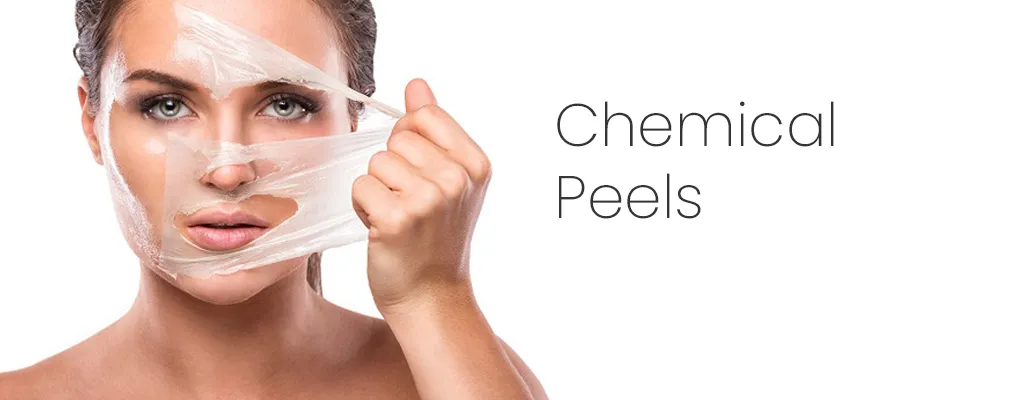
Stubborn hyperpigmentation—whether from sun damage, melasma, or post-acne marks (PIH)—is notoriously difficult to treat because the excess melanin is often packed into multiple layers of the skin. PCA chemical Peel in riyadh(التقشير الكيميائي في الرياض) (Physician's Care Alliance) are specifically designed to dismantle this pigment through a "progressive, not aggressive" approach.
Instead of one harsh treatment, PCA peels use a blend of acids and pigment inhibitors that work together to lift existing dark spots and prevent new ones from forming.
1. The "Multi-Acid" Strategy
Traditional peels often use a high concentration of a single acid (like pure Glycolic). PCA Peels use Multi-Acid Synergistic Technology, combining lower doses of several acids. This reduces irritation while attacking pigment from multiple angles:
-
Lactic Acid (AHA): Gently dissolves the "glue" between dead skin cells and hydrates the skin. It also inhibits tyrosinase, the enzyme responsible for producing melanin.
-
Salicylic Acid (BHA): Being oil-soluble, it dives deep into pores to clear debris and calm the inflammation that often triggers dark spots.
-
Trichloroacetic Acid (TCA): Found in "blended" PCA peels (like the Sensi Peel), it reaches deeper layers to break up stubborn, older pigment.
2. Lifting vs. Suppressing Pigment
What makes PCA Peels "peel" away stubborn spots is a two-step process:
-
Lifting: Ingredients like Kojic Acid and Azelaic Acid help brighten the surface and promote rapid cell turnover. This physically moves the pigmented cells up and out of the skin.
-
Suppressing: Advanced formulas (like the Pigment Correct Peel) include Tranexamic Acid, which acts as a "melanin suppressor." It tells your skin to stop overproducing pigment in response to heat or sun, which is vital for treating melasma.
3. Options for Every Skin Type
One of the biggest risks with chemical peels on darker skin tones (Fitzpatrick IV–VI) is rebound hyperpigmentation caused by irritation. PCA solved this by creating specialized versions:
| Peel Type | Best For | Key Ingredients |
| Sensi Peel® | Sensitive skin / Skin of color | 6% TCA, Lactic Acid, Arbutin |
| PCA Peel (HQ Free) | Acne-prone skin / PIH | Lactic, Salicylic, Kojic Acid |
| Ultra Peel® | Mature skin / Darker spots | 10% TCA, Lactic Acid, Vitamin C |
| Pigment Correct | Stubborn Melasma | Tranexamic Acid, Mandelic Acid |
4. What to Expect During the "Peel"
Unlike the dramatic "shedding" you might see in movies, PCA Peels are often superficial to medium depth.
-
The Sensation: You will feel a mild tingling or warmth for a few minutes.
-
The "Peeling": You may experience light flaking (like a mild sunburn) for 3–5 days, or even "micro-peeling" that isn't visible to the naked eye.
-
The Result: A 17% reduction in visible hyperpigmentation is often seen after just one treatment, though a series of 3–6 is usually recommended for "stubborn" cases.
Important Post-Peel Care
Because these peels expose fresh, new skin, it is highly sensitive to UV light. You must wear a broad-spectrum SPF 30+ daily, or the sun will immediately re-trigger the melanin production you just worked to remove.

 English
 Arabic
 French
 Portuguese
 Deutsch
 Turkish
 Dutch
Dutch
 Italiano
 Russian
 Romaian
 Portuguese (Brazil)
 Greek
Greek