


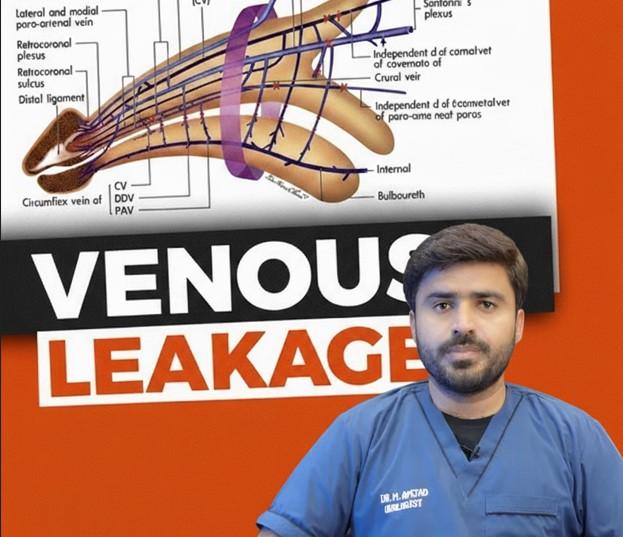
Venous leak, also known as venogenic erectile dysfunction, is a medical condition that affects a man’s ability to maintain an erection. While many people associate erectile dysfunction (ED) with poor blood flow into the penis, venous leak involves the opposite problem: blood enters the penis but escapes too quickly through the veins, preventing a firm or lasting erection.
This condition can be physically frustrating and emotionally distressing, but the good news is that venous leak is diagnosable and treatable. With modern diagnostic tools and advanced therapies, many men can regain sexual confidence and performance.
This article explains venous leak in detail—its causes, symptoms, diagnosis, and available treatment options.
What Is Venous Leak?
An erection occurs when blood flows into the penile arteries and becomes trapped within the erectile tissue (corpora cavernosa). Normally, veins close off during an erection to prevent blood from escaping.
In venous leak:
-
Blood flows into the penis normally
-
The veins fail to close properly
-
Blood leaks out too quickly
-
The erection becomes weak or cannot be maintained
This leads to erections that are:
-
Soft
-
Short-lived
-
Difficult to sustain during intercourse
Venous leak can occur alone or alongside other forms of erectile dysfunction.
Causes of Venous Leak
Venous leak can develop due to a variety of physical, neurological, and psychological factors. Common causes include:
1. Structural Abnormalities
-
Damage to penile tissue
-
Weak or malfunctioning venous valves
-
Congenital vein malformations
2. Trauma or Injury
-
Pelvic or spinal injury
-
Penile fracture
-
Surgery in the pelvic region (e.g., prostate surgery)
3. Chronic Medical Conditions
-
Diabetes
-
Hypertension
-
Atherosclerosis
-
Neurological disorders
4. Aging
-
Natural weakening of blood vessels
-
Reduced elasticity of erectile tissue
5. Hormonal Imbalances
-
Low testosterone
-
Thyroid disorders
6. Psychological Factors (Indirect Contributors)
-
Anxiety
-
Depression
-
Performance stress
-
Relationship problems
While psychological issues don’t directly cause venous leak, they can worsen symptoms.
Symptoms of Venous Leak
Men with venous leak typically experience:
-
Difficulty maintaining an erection
-
Erections that fade quickly
-
Reduced rigidity during intercourse
-
Inability to sustain erection without constant stimulation
-
Normal or near-normal libido
-
Partial erections that collapse rapidly
These symptoms may appear gradually or suddenly, depending on the underlying cause.
How Venous Leak Is Diagnosed
Proper diagnosis is essential for selecting the right treatment. Doctors use a combination of medical history, physical exams, and specialized tests.
1. Medical History & Physical Examination
-
Assessment of erectile patterns
-
Review of lifestyle factors
-
Evaluation of chronic illnesses
-
Genital examination
2. Penile Doppler Ultrasound
-
Measures blood flow into and out of the penis
-
Identifies abnormal venous drainage
-
Helps confirm venous leak
3. Dynamic Infusion Cavernosometry (DICC)
-
Measures pressure inside the penis
-
Detects abnormal venous outflow
-
Often used when surgery is considered
4. Blood Tests
-
Testosterone levels
-
Blood sugar
-
Cholesterol
-
Thyroid function
5. Psychological Assessment (if needed)
-
Evaluates stress, anxiety, or depression
-
Identifies contributing emotional factors
Treatment Options for Venous Leak
Treatment depends on severity, age, lifestyle, and patient preference. Options range from conservative therapies to surgical interventions.
1. Lifestyle Modifications
For mild cases, lifestyle changes can improve symptoms:
-
Quit smoking
-
Reduce alcohol intake
-
Exercise regularly
-
Maintain a healthy weight
-
Control diabetes and blood pressure
-
Improve sleep quality
-
Manage stress and anxiety
2. Oral Medications (PDE5 Inhibitors)
Common ED medications may help some men:
-
Sildenafil (Viagra)
-
Tadalafil (Cialis)
-
Vardenafil (Levitra)
These drugs improve blood flow but may be less effective in severe venous leak cases.
3. Vacuum Erection Devices (VEDs)
-
Creates a vacuum to draw blood into the penis
-
A constriction ring helps trap blood
-
Non-invasive and drug-free
-
Effective for many men with venous leak
4. Penile Injections (Intracavernosal Therapy)
Medications injected into the penis:
-
Alprostadil
-
Papaverine
-
Phentolamine
These cause direct vasodilation and stronger erections. They are highly effective but require proper training and monitoring.
5. Shockwave Therapy (Low-Intensity ESWT)
-
Promotes blood vessel regeneration
-
Improves penile circulation
-
May enhance erectile quality
-
Non-invasive and increasingly popular
-
Best for mild to moderate cases
6. Hormone Therapy
If low testosterone is present:
-
Testosterone replacement therapy (TRT)
-
May improve libido and erection strength
-
Used under medical supervision
7. Venous Ligation Surgery
-
Surgically closes leaking veins
-
Can improve erection durability
-
Mixed long-term success rates
-
Suitable for selected patients only
8. Penile Implants (Last Resort)
For severe or treatment-resistant cases:
-
Inflatable or semi-rigid prosthesis
-
High satisfaction rates
-
Permanent solution
-
Involves surgery
Prognosis and Success Rates
The outlook for venous leak varies depending on cause and treatment type.
-
Mild cases: Good response to medications and devices
-
Moderate cases: Injections or shockwave therapy may help
-
Severe cases: Surgery or implants may be needed
With modern therapies, most men can achieve satisfactory sexual function.
Psychological Impact of Venous Leak
Venous leak doesn’t just affect physical health—it can also take an emotional toll.
Common psychological effects include:
-
Low self-esteem
-
Performance anxiety
-
Relationship stress
-
Depression
Counseling, sex therapy, or couple’s therapy can greatly improve emotional well-being and treatment outcomes.
When to See a Doctor
You should consult a urologist or sexual health specialist if:
-
Erectile problems persist for more than 3 months
-
Symptoms worsen over time
-
ED affects your relationship or mental health
-
You have diabetes, heart disease, or hormonal issues
-
Over-the-counter ED pills don’t work
Early diagnosis leads to better treatment success.
Frequently Asked Questions (FAQs)
Is venous leak permanent?
Not always. Mild cases can improve with lifestyle changes and non-invasive therapies. Severe cases may require surgical intervention.
Can venous leak be cured naturally?
Lifestyle improvements can help but usually cannot fully reverse venous leak.
Does venous leak affect fertility?
No, it does not directly affect sperm production or fertility.
Is venous leak common?
It is more common in older men but can occur at any age.
Can young men have venous leak?
Yes, especially after pelvic injury, surgery, or congenital vein issues.
Conclusion
Venous leak is a treatable cause of erectile dysfunction that occurs when blood cannot be retained in the penis during an erection. Though it can be distressing, modern medicine offers a wide range of effective treatments—from lifestyle changes and medications to advanced therapies and surgical solutions.
Early diagnosis, personalized treatment plans, and psychological support can restore not only sexual performance but also confidence and quality of life. If you suspect venous leak, consult a qualified healthcare provider to explore the best treatment options for your condition.

 Arabic
 French
 Spanish
 Portuguese
 Deutsch
 Turkish
 Dutch
Dutch
 Italiano
 Russian
 Romaian
 Portuguese (Brazil)
 Greek
Greek