


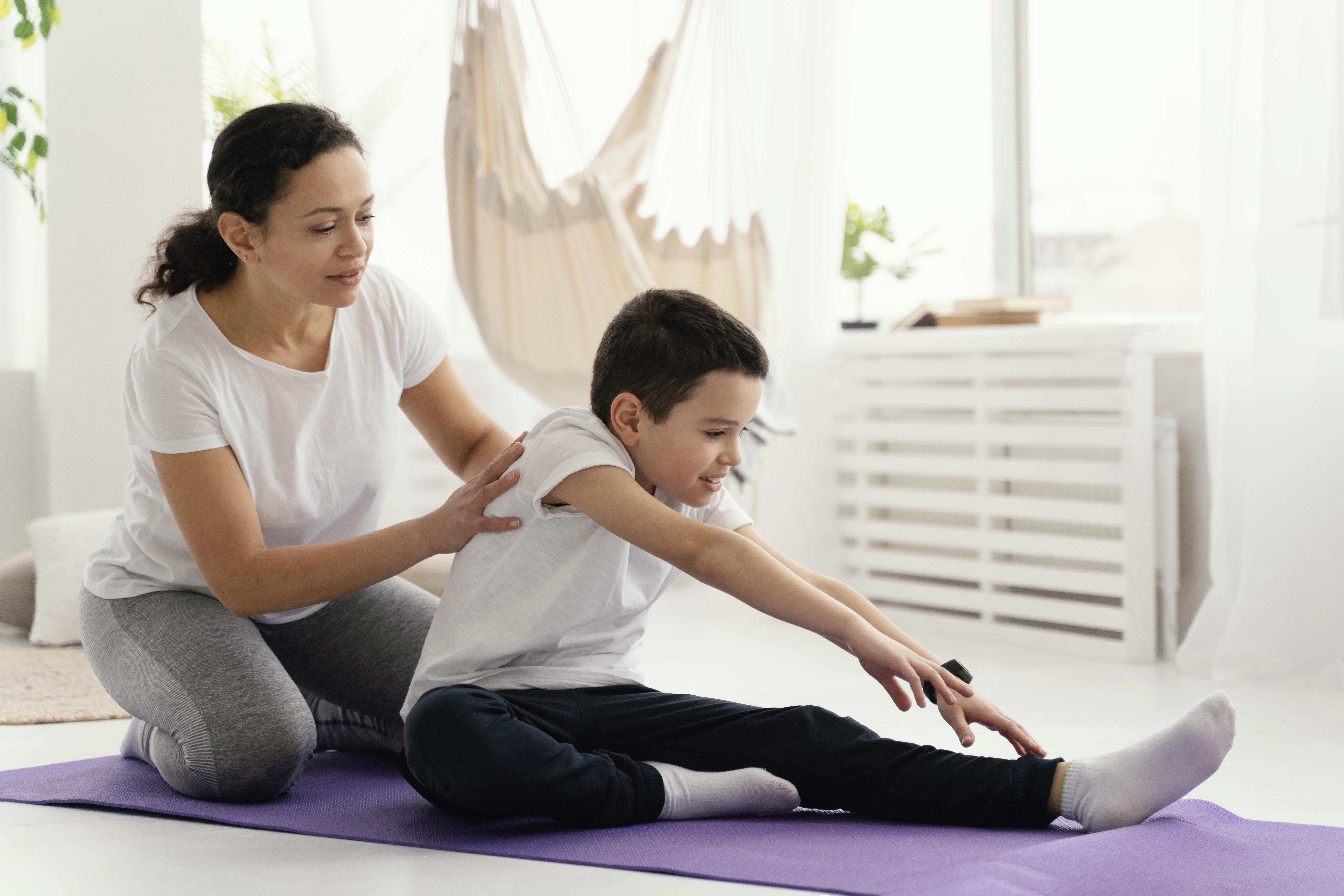
Autism Spectrum Disorder (ASD) affects how individuals process sensory information, communicate, and interact with their environment. Occupational therapy (OT) plays a vital role in supporting children with autism by helping them develop practical life skills, improve sensory regulation, and gain independence. Through structured and engaging occupational therapy exercises for autism, children can strengthen their physical, emotional, and cognitive abilities in ways that directly impact daily life.
Occupational therapy focuses on helping children participate more fully in everyday activities such as playing, learning, self-care, and social interaction. These exercises are always personalized, as every child with autism has unique strengths, challenges, and sensory needs.
The Importance of Occupational Therapy for Autism
Occupational therapy addresses key developmental areas that are often challenging for children with autism. These include fine and gross motor skills, sensory processing, coordination, attention, and emotional regulation. By practicing targeted exercises in a supportive environment, children can learn how to navigate tasks that may otherwise feel overwhelming.
OT exercises are designed to be functional and meaningful. Rather than focusing only on isolated skills, therapists integrate exercises into activities that resemble real-life situations. This approach helps children transfer what they learn during therapy into their daily routines at home, school, and in the community.
Sensory Integration Exercises
Many children with autism experience sensory sensitivities or sensory-seeking behaviors. Occupational therapy exercises often focus on sensory integration to help children better process and respond to sensory input. Activities such as swinging, bouncing on therapy balls, pushing weighted objects, or playing in textured materials like sand or rice can help regulate the nervous system.
These exercises improve a child’s ability to tolerate different sensory experiences, leading to better focus, reduced anxiety, and improved behavior. Over time, sensory integration activities can help children feel more comfortable in environments that once felt overstimulating.
Fine Motor Skill Development
Fine motor challenges can make tasks like writing, buttoning clothes, or using utensils difficult. Occupational therapy exercises that target hand strength, finger coordination, and precision are essential for building independence. Activities may include squeezing stress balls, playing with putty, stringing beads, or completing puzzles.
These exercises not only strengthen the small muscles of the hands but also improve hand–eye coordination and control. As fine motor skills improve, children often gain confidence in completing self-care and academic tasks.
Gross Motor and Body Awareness Exercises
Gross motor exercises help children develop balance, coordination, and overall body awareness. Activities such as obstacle courses, climbing, jumping, crawling, or throwing and catching balls are commonly used in occupational therapy sessions.
Improving gross motor skills supports posture, endurance, and spatial awareness. These abilities are important for participating in physical activities, navigating classrooms, and engaging in social play with peers.
Self-Regulation and Emotional Control Activities
Emotional regulation can be challenging for children with autism, especially during transitions or unfamiliar situations. Occupational therapy exercises often include calming and self-regulation strategies to help children manage emotions more effectively. Deep breathing exercises, yoga poses, slow rhythmic movements, and guided relaxation activities are commonly used.
Through consistent practice, children learn to recognize their emotional states and use coping strategies to calm themselves. This leads to fewer meltdowns and greater emotional resilience.
Daily Living Skills Practice
Occupational therapy also focuses on improving daily living skills such as dressing, grooming, feeding, and organization. Exercises may involve practicing zipping jackets, brushing teeth with visual cues, or following step-by-step routines.
These activities help children become more independent and confident in managing everyday responsibilities. Gaining these skills can significantly improve quality of life for both children and their families.
Frequently Asked Questions
How often should occupational therapy exercises be practiced?
Consistency is key. Many therapists recommend practicing exercises daily or several times a week, depending on the child’s needs and tolerance.
Can occupational therapy exercises be done at home?
Yes, many exercises can be adapted for home use. Therapists often provide guidance to parents so activities can be continued outside therapy sessions.
At what age should occupational therapy begin?
Occupational therapy can begin as early as toddlerhood. Early intervention often leads to better long-term outcomes.
How long does it take to see results?
Progress varies for each child. Some improvements may be seen within weeks, while other skills develop gradually over months.
Are occupational therapy exercises play-based?
Yes, most exercises are designed to feel like play, helping children stay engaged and motivated while learning new skills.
Conclusion
Occupational therapy exercises are a powerful tool in helping children with autism build essential life skills, regulate sensory input, and gain independence. Through personalized, engaging, and goal-focused activities, children can make meaningful progress that supports their development at home, school, and beyond. Autism Learn & Play is committed to providing supportive, child-centered occupational therapy approaches that empower children with autism to thrive and reach their full potential.

 English
 Arabic
 French
 Portuguese
 Deutsch
 Turkish
 Dutch
Dutch
 Italiano
 Russian
 Romaian
 Portuguese (Brazil)
 Greek
Greek