


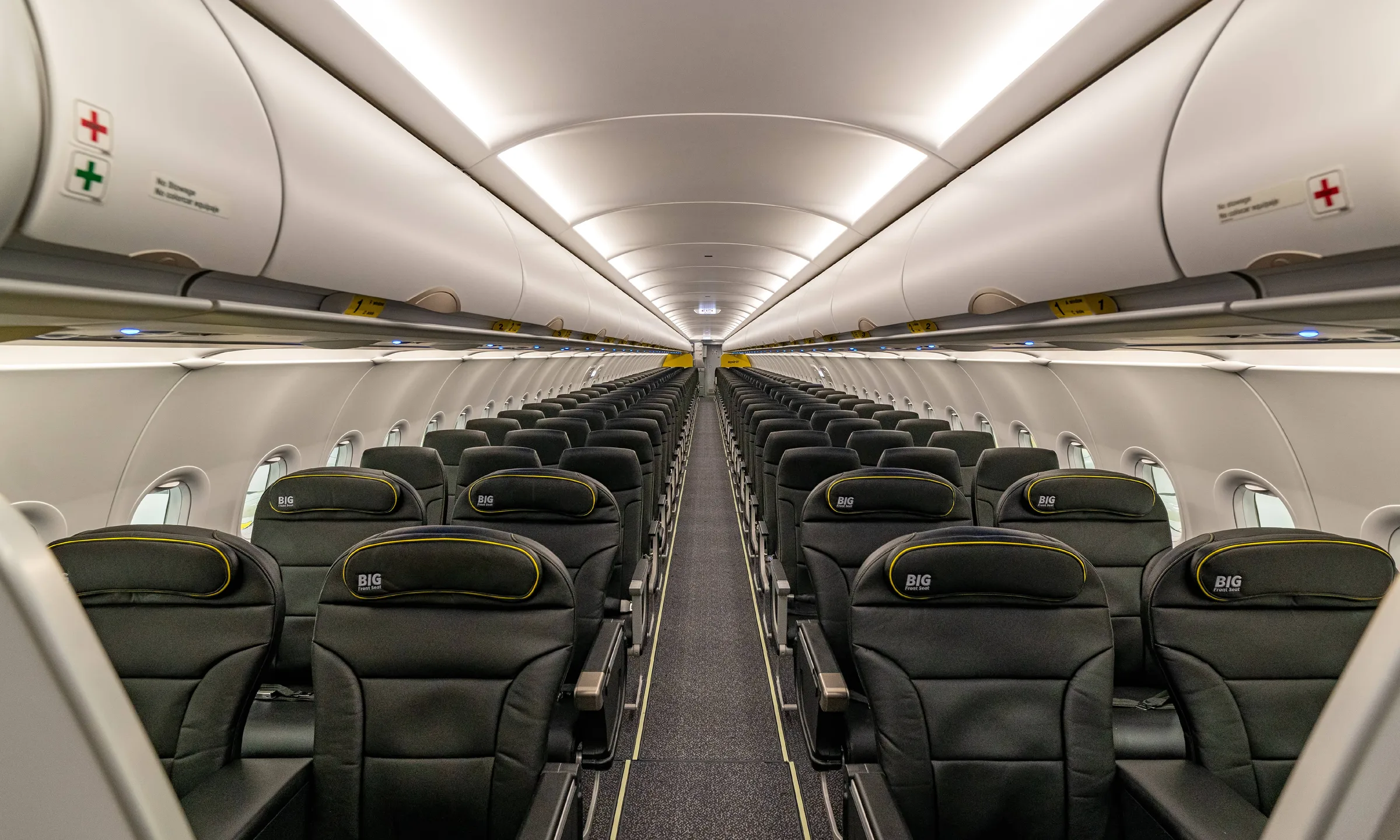
In recent years, online travel agencies (OTAs) have revolutionized the way we book flights, hotels, and vacation packages. With just a few clicks, travelers can compare prices, check availability, and secure their travel plans without visiting a traditional travel agent. However, one of the most frequently asked questions today is: Are online travel agencies still flexible with refunds?
The answer is nuanced, as flexibility often depends on airline policies, booking conditions, and the type of ticket purchased. While OTAs offer convenience, they don’t always control the terms of refunds. Understanding how these platforms work and how you can maximize your chances of a smooth refund is critical for any traveler.
The Changing Landscape of Travel Refunds
Before the pandemic, airlines and OTAs generally had stricter refund rules. Non-refundable tickets meant exactly that — no money back if you canceled. However, the COVID-19 pandemic forced airlines and OTAs to rethink these policies. Travelers were left stranded due to flight cancellations, border closures, and sudden travel restrictions, prompting a wave of more flexible refund and rescheduling policies.
Although airlines now offer more flexible policies than before, OTAs’ approach varies significantly. Some platforms still charge service fees or offer only partial refunds. Others provide full refunds if cancellations are made within specific time frames. It is essential for travelers to read the fine print before booking, as assumptions about flexibility can lead to disappointment.
How OTAs Handle Refunds
Most OTAs act as intermediaries between travelers and airlines. This means that the airline sets the refund rules, while the OTA may facilitate the process. Here are some common scenarios:
-
Non-refundable Tickets – Many low-cost carriers sell non-refundable tickets. Even if an OTA allows you to cancel, you may only receive credit for future travel, not a cash refund.
-
Refundable Tickets – Some OTAs sell refundable tickets, which generally allow full reimbursement if canceled before the flight. These tickets are often more expensive, but they offer peace of mind for travelers unsure of their plans.
-
Service Fees – OTAs sometimes charge additional fees for processing refunds. While the airline might refund the ticket price, the OTA may retain a handling fee, which can reduce the total refund.
-
COVID-19 Policies – In response to the pandemic, many OTAs implemented temporary flexible policies. While some of these policies are no longer active, the travel industry has retained a degree of flexibility for unforeseen circumstances like health emergencies or natural disasters.
Airline Policies vs. OTA Policies
It’s important to understand the distinction between airline policies and OTA policies. Airlines, as the ticket issuers, control fare rules, cancellations, and refunds. OTAs, meanwhile, provide a platform to book tickets and may offer additional customer service. This sometimes creates confusion for travelers.
For example, if an airline changes its policy to allow free cancellations within 24 hours, an OTA should honor this. However, if an OTA charges extra for cancellations beyond that window, it is considered part of their service terms. This is why reading both the airline’s and the OTA’s refund policies is essential before booking.
Factors Affecting Refund Flexibility
Several factors determine how flexible an OTA will be with refunds:
-
Ticket Type – Refundable tickets are generally the most flexible, whereas basic economy or budget fares tend to have strict non-refundable rules.
-
Time of Cancellation – Canceling early often results in fewer penalties. Some OTAs even offer a grace period of 24 hours for cancellations, aligning with airline policies.
-
Reason for Cancellation – Some OTAs and airlines offer partial or full refunds for cancellations due to emergencies, medical reasons, or government-imposed restrictions. Proof may be required in these cases.
-
Payment Method – Certain payment methods like credit cards may offer additional protection or refunds if the airline or OTA fails to comply with policies.
-
Promotional Deals – Tickets purchased as part of a special promotion, discounted package, or flash sale often come with stricter non-refundable terms.
How to Maximize Refund Flexibility
While OTAs control only part of the refund process, travelers can take steps to increase their chances of getting refunds smoothly:
-
Book Refundable Tickets – If flexibility is a priority, always opt for refundable tickets, even if they cost slightly more.
-
Check Airline Policies – Confirm the airline’s refund policy before booking through an OTA. For example, you can review detailed rules such as the Copa Airlines Cancellation Policy to understand your options.
-
Use OTAs with Transparent Policies – Some OTAs offer clear cancellation terms and dedicated customer support for refunds.
-
Document Everything – Keep emails, booking confirmations, and cancellation receipts. These documents are vital if you need to dispute a refund.
-
Act Quickly – Early cancellations are generally easier to process and may result in full refunds or credits.
Flight Aura: Your Expert Travel Partner
Navigating OTA refund policies can be overwhelming, especially when dealing with multiple airlines, payment methods, and travel regulations. This is where travel experts like Flight Aura come in. With years of experience assisting travelers with bookings and understanding complex flight policies, Flight Aura ensures your travel plans are protected.
They guide you through booking refundable tickets, understanding airline-specific rules, and ensuring that cancellations or changes are processed efficiently. For expert travel assistance, you can reach Flight Aura — Call us now at +1 866-673-8391.
Case Study: OTA Refund During a Flight Cancellation
Consider a traveler who booked a flight through an OTA. The airline canceled the flight due to operational issues. The OTA initially offered only travel credits, but the traveler contacted Flight Aura for assistance. Flight Aura helped the traveler negotiate a full cash refund with the airline, demonstrating how expert guidance can make a significant difference.
This example highlights the importance of having a knowledgeable intermediary when dealing with refund policies. OTAs provide convenience, but experienced travel experts can add value by ensuring your rights as a passenger are respected.
Trends in OTA Refund Flexibility
The OTA industry has been evolving to meet customer expectations for more flexible travel options. Key trends include:
-
Increased Refundable Ticket Options – Many OTAs now highlight refundable fares more prominently to attract cautious travelers.
-
Waived Fees for Certain Circumstances – Airlines and OTAs increasingly waive cancellation fees in emergencies, health crises, or severe weather events.
-
Integration with Travel Insurance – Some OTAs offer travel insurance options that cover cancellations, adding a layer of flexibility for passengers.
-
Real-Time Refund Updates – Advanced technology allows OTAs to update travelers on refund processing status, making the experience less stressful.
Common Misconceptions
Several myths persist about OTA refund flexibility:
-
“All OTA tickets are refundable.” – Not true. Refundability depends on the airline and ticket type. Some tickets are strictly non-refundable.
-
“OTAs control refunds entirely.” – OTAs facilitate the process but cannot override airline rules.
-
“Booking through an OTA saves money and guarantees flexibility.” – While OTAs offer competitive pricing, flexibility depends on the specific fare rules and policies.
Understanding these distinctions is crucial to avoid disappointment during cancellations or changes.
Tips for Choosing the Right OTA
When booking flights, consider these tips to ensure you have the best chance for a flexible refund:
-
Research OTAs Before Booking – Look for reviews that specifically mention customer support for refunds.
-
Read the Fine Print – Always review the OTA’s cancellation and refund policies before finalizing your booking.
-
Check Airline-Specific Rules – Even when booking through an OTA, the airline’s policy is primary.
-
Consider Expert Assistance – Travel experts like Flight Aura can provide guidance, ensuring you understand your options fully.
Conclusion
Online travel agencies remain a popular choice for travelers due to convenience, pricing, and extensive options. However, when it comes to refunds, flexibility varies widely depending on ticket type, airline policies, and specific circumstances. While OTAs do facilitate cancellations, they cannot always guarantee a full refund, especially for non-refundable tickets or promotional fares.
Travelers who prioritize flexibility should consider refundable tickets, verify airline rules, and work with trusted travel experts. Flight Aura has extensive experience assisting travelers with bookings, understanding complex flight policies, and ensuring refunds are processed smoothly. For expert travel assistance, you can reach Flight Aura — Call us now at +1 866-673-8391.
By staying informed and using professional guidance when needed, travelers can navigate OTA bookings confidently and maximize their chances of getting refunds without stress.

 Arabic
 French
 Spanish
 Portuguese
 Deutsch
 Turkish
 Dutch
Dutch
 Italiano
 Russian
 Romaian
 Portuguese (Brazil)
 Greek
Greek