


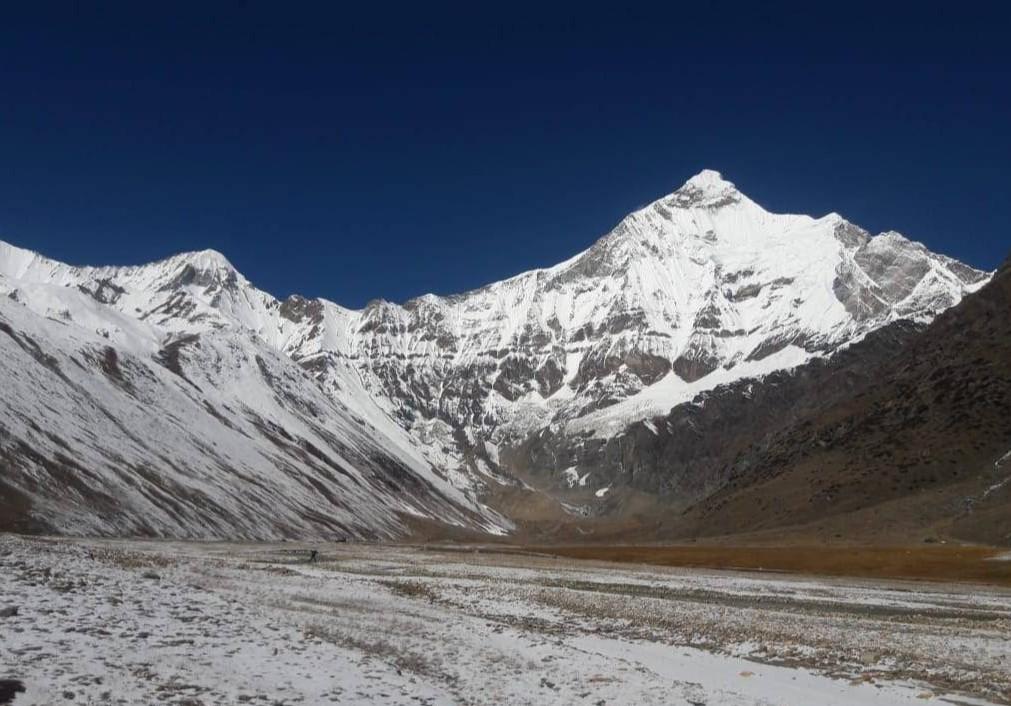
If there is one trek in India that feels less like a holiday and more like an earned privilege, it is the Nanda Devi Base Camp Trek. This is not a trail you casually plan over a weekend. It sits deep inside a protected Himalayan zone, surrounded by strict regulations, limited access, and a legacy that few trekking routes can match.
Unlike popular Himalayan treks that welcome thousands every season, Nanda Devi Base Camp remains carefully guarded. And honestly, that is exactly why it still feels raw, untouched, and real.
Why Nanda Devi Base Camp Is So Highly Restricted
The Nanda Devi region falls inside the Nanda Devi Biosphere Reserve, a UNESCO World Heritage Site. Authorities introduced restrictions to protect its fragile ecosystem after decades of environmental stress caused by early expeditions.
In simple words, nature here does not forgive mistakes easily. Glaciers, rare alpine plants, and endangered wildlife need space, not crowds. Because of this, the government allows only a limited number of trekkers every year, and only through registered operators.
Independent trekking is not allowed. You must obtain official permits, follow fixed routes, and respect strict waste management rules. These rules might feel tough, but they are the reason the region still looks the way it does.
A Short History That Changed Everything
Before restrictions, the Nanda Devi Sanctuary saw multiple foreign expeditions. Some left behind equipment, fuel, and waste that damaged the environment. One controversial Cold War era expedition even introduced radioactive material into the region, which later triggered serious ecological concerns.
After detailed studies, authorities shut the area completely in 1983. When it reopened years later, access came with strict controls. Since then, trekking here has focused more on conservation than conquest.
This history explains why permissions feel complex. It also explains why the trek still feels like stepping into a time capsule.
Where the Nanda Devi Base Camp Trek Actually Goes
The trek does not take you to the summit of Nanda Devi. Instead, it leads to the outer sanctuary, offering dramatic views of Nanda Devi East, Trishul, Dunagiri, and surrounding peaks.
The classic route begins from villages near Joshimath and moves through deep forests, river valleys, and high alpine meadows. Trails remain narrow, wild, and refreshingly free of commercial noise.
You will not find cafés, loud camps, or crowded viewpoints here. What you will find is silence that feels heavier than words.
Trek Difficulty Explained Honestly
Most trekking organizations classify the Nanda Devi Base Camp Trek as moderate to difficult. For first-time trekkers, it leans closer to difficult.
The challenge does not come from technical climbing. It comes from:
-
Long trekking days
-
Continuous altitude gain
-
Remote terrain with limited exit options
-
Rapid weather changes
If you already have high-altitude trekking experience, the trek feels demanding but manageable. If you are a beginner, proper preparation is not optional. It is survival logic.
Best Time to Visit Nanda Devi Base Camp
The trekking window remains short due to weather and permissions.
Best seasons include:
-
Late May to early June
-
Late August to September
Monsoon rains make the region risky during July. Winter shuts the trail completely due to heavy snow. Even during the best months, weather can change fast. Clear mornings can turn into snowy afternoons without warning.
That unpredictability adds to the trek’s character. It keeps everyone alert and humble.
Permits, Rules, and What You Cannot Ignore
This trek runs on rules, not flexibility.
You must trek with an authorized operator approved by forest authorities. Permits cover entry, camping zones, guides, and waste regulations. Forest officers monitor movement, campsites, and compliance.
Plastic use remains heavily restricted. Trekkers must carry back all non-biodegradable waste. Campsites are fixed. Deviations are not allowed.
Think of it less as restriction and more as respect. The mountains set the terms here.
Wildlife, Flora, and Why Conservation Matters
The Nanda Devi region shelters rare Himalayan species, including snow leopards, Himalayan musk deer, bharal, and unique alpine plants that grow nowhere else.
These ecosystems survive because human presence stays minimal. Even a small increase in footfall can disturb breeding cycles and vegetation patterns.
When you trek here, you do not just pass through nature. You temporarily borrow space from it.
Physical and Mental Preparation That Actually Works
Cardio fitness helps, but mental readiness matters more.
You walk long distances without distractions. No mobile signals. No instant exits. No comfort shortcuts.
Training should include:
-
Endurance walks with a loaded backpack
-
Stair climbing and strength workouts
-
Previous exposure to altitude
More importantly, you need patience. This trek rewards slow movement and steady breathing. Rush it, and the mountains push back.
Why This Trek Is Not for Everyone
Let us be honest. This is not a “first Himalayan snow trek” or a social media friendly trail.
You choose Nanda Devi Base Camp if:
-
You value solitude over selfies
-
You respect rules without complaint
-
You want authenticity, not convenience
If you expect luxury camps or easy milestones, this trek will disappoint you. If you want raw Himalayas, it will exceed expectations.
Final Thoughts: Is It Worth the Effort?
Absolutely. But only if you understand what you are signing up for.
The Nanda Devi Base Camp Trek is restricted for a reason. It represents a balance between human curiosity and environmental responsibility. Few treks in India still hold that balance so firmly.
When you walk these trails, you are not just trekking. You are participating in a long-term conservation effort that allows future generations to experience the same silence, scale, and beauty.
Some places should never become easy. Nanda Devi is one of them.

 Arabic
 French
 Spanish
 Portuguese
 Deutsch
 Turkish
 Dutch
Dutch
 Italiano
 Russian
 Romaian
 Portuguese (Brazil)
 Greek
Greek