


Liposuction vs Weight Loss: Understanding the Difference for Better Results
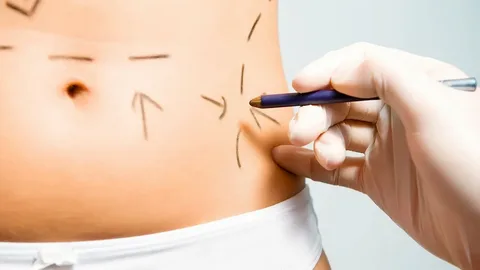
Navigating the journey toward a healthier and more aesthetically pleasing body can often be confusing, especially when trying to distinguish between metabolic changes and surgical refinements. Liposuction surgery in Riyadh( شفط الدهون في الرياض) has seen a significant rise in popularity, but with that growth comes a frequent misunderstanding: many people view it as a quick fix for weight loss. In reality, liposuction and weight loss are two fundamentally different processes with distinct goals, biological mechanisms, and outcomes. While weight loss focuses on reducing the overall mass of the body through a caloric deficit, liposuction is a precision tool designed for sculpting and contouring specific areas. Understanding these differences is the key to setting realistic expectations and achieving the long-term results you desire.
The Biological Difference: Shrinking vs. Removing
The most critical distinction between these two paths lies in the behavior of fat cells, or adipocytes. When you embark on a traditional weight loss journey involving diet and exercise, you are not actually losing fat cells. Instead, the cells you already have simply shrink in size as they release stored energy. If you were to gain weight later, those same cells would expand again. This is why "stubborn fat" is so frustrating; even when you are at a lower weight, certain areas of your body may still hold onto larger fat cells due to genetics.
Liposuction, on the other hand, physically removes the fat cells from the body. Once those cells are suctioned out, they do not grow back. The "architecture" of that specific area is permanently altered. This doesn't mean you can't gain weight in that area again, but because there are fewer fat cells available to expand, the area will generally remain more proportionate to the rest of your body even if your weight fluctuates.
Goal Setting: Global Change vs. Local Refinement
Another way to look at the difference is "Global vs. Local." Weight loss is a global process. You cannot "spot reduce" fat through exercise; your body decides where it will burn fat from first, which is often dictated by your DNA. This can lead to a situation where a person loses weight in their face or chest—where they might want to keep it—but remains heavy in the hips or abdomen.
Liposuction is the solution to this "spot reduction" problem. It is a local refinement. It is not meant to move the needle on the scale significantly. In fact, most patients only lose a few kilograms of actual weight after the procedure. The real change is measured in centimeters and the way clothes fit. It is about harmony and proportion—ensuring that the contour of the waist, thighs, or arms matches the rest of the toned physique you have worked hard to achieve.
Impact on Health and Metabolism
It is also important to consider the health implications of both. Weight loss, particularly the reduction of visceral fat (the fat that surrounds internal organs), has profound benefits for metabolic health. It can lower blood pressure, improve insulin sensitivity, and reduce the risk of heart disease.
Liposuction targets subcutaneous fat—the "pinchable" fat located just under the skin. While removing this fat provides a massive boost in self-esteem and physical comfort, it does not provide the same metabolic "reboot" that losing 10% of your body weight through lifestyle changes does. This is why the best medical advice often suggests reaching a stable, healthy weight first, and then using liposuction as the "finishing touch" to address the areas that the gym couldn't fix.
The Role of Skin Elasticity
A factor that is often overlooked in the weight loss vs. liposuction debate is skin quality. When a person loses a massive amount of weight through diet or bariatric surgery, the skin often loses its "snap-back" ability, resulting in sagging or folds.
Liposuction relies heavily on skin elasticity. Because the procedure removes the volume underneath the skin, the skin must be healthy enough to contract and "shrink-wrap" over the new, slimmer shape. This is why surgeons in Riyadh carefully evaluate a patient’s skin tone during the consultation. If the skin is too loose, liposuction alone might not provide the desired result, and a skin-tightening procedure might be recommended in conjunction with the fat removal.
The Synergy: Why They Work Best Together
The most successful patients are those who view liposuction and weight loss as partners rather than competitors. Using lifestyle changes to get within 5 to 10 kilograms of your goal weight ensures that your body is in peak condition for surgery and recovery.
Once the surgery is complete, the "new" silhouette often serves as a powerful psychological motivator. Seeing a flat stomach or defined jawline for the first time can inspire a patient to be even more diligent with their nutrition and fitness to protect their "investment." In this way, liposuction doesn't just change how you look; it can change how you live.
Summary of Differences
To help clarify your path, consider the following comparison:
-
Weight Loss: Best for improving overall health, reducing systemic inflammation, and decreasing clothing sizes across the entire body. It requires ongoing effort and lifestyle discipline.
-
Liposuction: Best for body sculpting, correcting genetic fat distribution, and enhancing the "fit" of clothing in specific areas. It is a one-time surgical intervention with a permanent change in fat cell count.
Conclusion
Deciding between focusing on further weight loss or opting for a surgical intervention depends entirely on where you are in your journey. If you are struggling with obesity, the focus should remain on metabolic weight loss for your health. However, if you are a healthy individual who is frustrated by specific bulges that won't go away despite your best efforts, liposuction may be the missing piece of the puzzle. By understanding that liposuction is a tool for shape—not a tool for the scale—you can make an empowered decision that leads to lasting confidence.

 English
 French
 Spanish
 Portuguese
 Deutsch
 Turkish
 Dutch
Dutch
 Italiano
 Russian
 Romaian
 Portuguese (Brazil)
 Greek
Greek