


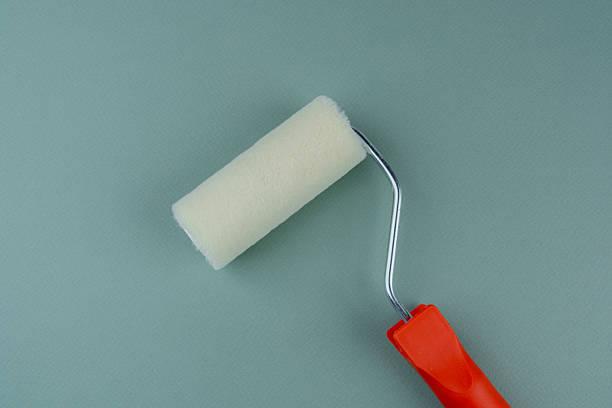
When you spend enough time on job sites, you start noticing the little things that actually matter. Not the flashy gear or the “premium pro-grade” labels plastered everywhere. I’m talking about the tools you reach for without thinking. Rollers, for example. Big or small, cheap or pricey, they all seem the same until they’re not. And if you’ve used 4 inch paint roller covers on trim, doors, or tight spaces, you already know one bad material choice can wreck your finish or your patience. Sometimes both.
Roller materials aren’t some nerdy detail only manufacturers care about. They genuinely change how long that roller holds up, how well it cleans out, and whether you can use it again without feeling like you’re pushing a soggy wad of fuzz around.
Let’s break it down. Not fancy. Just real-world stuff painters deal with every single day.
Why Roller Material Matters More Than You Think
Durability in a roller isn’t just how long it stays “alive.” It’s how long it stays useful. A roller can technically survive a full project and still be basically dead—matted fibers, split core, uneven absorption. When you know what the cover is made of, you can predict how it’ll behave. And that’s where the differences become loud.
Every roller material handles paint, pressure, and cleanup differently. Some bounce back better. Some fall apart the second they touch oil-based paint. And some—usually the bargain-bin specials—die before you even wrap up your first coat.
Synthetic Fibers: The Workhorse That Doesn’t Complain Much
Most rollers today use synthetic fibers like polyester or nylon blends. They’re cheap, reliable, and they don’t melt down emotionally when you switch paint types. They manage heavy use decently, especially on commercial jobs where you reload constantly.
Synthetic fibers don’t always give the smoothest finish, but they definitely win on reuse. They tolerate aggressive cleaning. Pull a little too hard on them under running water, and they won’t just peel off the core like old-school wool sometimes does.
Are they perfect? No. They can still mat if you lean on them too hard or leave them soaking overnight in a bucket like a rookie. But for everyday painting, the durability-to-cost ratio is solid.
Natural Fibers: That Old-School Feel, But Not Always the Most Durable
Wool and lambswool rollers have their fan clubs. They’re amazing with oil-based paints and offer smoother laydowns. They also hold more paint per dip, which is great until it’s not. More paint also means more weight, and more weight means more stress on the fibers.
If you’re rough on your gear—or you’ve got a habit of rushing cleanup—natural fibers will punish you. They shed more easily. They compress faster. They warp if you let them dry wrong.
But treat them well, and they’re reusable. I’ve had wool rollers last through multiple projects when cleaned gently and dried evenly. You just have to baby them a bit. And some painters don’t have time for the emotional support relationship they require.
Microfiber Rollers: Becoming a Favorite for a Reason
Some folks think microfiber is just marketing. It’s not. It’s legitimately one of the most adaptable roller materials out right now.
Microfiber picks up fine paint particles, lays them down smoother, and somehow still avoids matting as quickly as polyester. Even after several uses, the nap often stays fluffy—unless you abuse it with cheap cleaning tools or spin it like a lunatic in a drill-powered roller spinner.
Where microfiber really shines is in small rollers. That’s where the 4 inch roller cover versions come into play. These things survive trim jobs, cabinet paint, door frames, all those annoying spots where you’re basically pushing a roller through tight corners. They hold up, even when you’re rinsing them out way too fast between coats.
Microfiber also handles water-based paints extremely well. If that’s your world, they might outlast everything else you’ve got.
Foam Rollers: Great Finish, Bad Attitude
Foam rollers are a love-hate thing. Smooth surfaces? They’re fantastic. Zero texture. Perfect for doors, cabinets, and metal. But foam has a temper.
Apply too much pressure, and you’ll get bubbles. Use the wrong primer and the foam melts or swells. Try to reuse it too many times, and it starts chunking apart like stale bread.
The durability of foam depends on density. High-density foam lasts longer, keeps its shape, and doesn’t tear as easily. Cheap foam—well, you’ve probably seen what happens. It rips at the edges, gets weird grooves, and ruins your finish.
Reusable? Sort of. But if you’ve ever cleaned foam, you know why most painters treat them like disposable tools.
The Core Hidden Under the Nap Counts Too
A lot of folks focus on the nap and forget the core matters just as much. Most roller covers use:
-
Plastic (polypropylene) cores – solid, water-resistant, reliable
-
Cardboard cores – yes, they still exist, and yes, they still fall apart when you clean them for too long
-
Phenolic resin cores – durable, don’t warp, tolerate aggressive solvents.
If you’re reusing rollers often, the core is doing more work than you think. A bad core softens and warps, and suddenly the roller spins crooked. No nap can save you from that.
Cheaper 4 inch paint roller covers usually cut corners here. A flimsy core kills durability, even if the nap quality is decent.
Cleaning Is Half the Battle
You can buy the best roller on the planet, but if your cleaning habit looks like a crime scene, that roller won’t make it to the next job. Here’s where material matters again:
-
Synthetic handles scrubbing well.
-
Natural fibers need gentler cleanup.
-
Microfiber survives pressure but hates heat.
-
Foam… honestly, good luck.
Durability and reusability aren’t just about what it’s made of. It’s also how you clean, dry, and store it. Leave a roller soaking overnight, and the core swells, the nap loosens, and you’ll blame the manufacturer even though it was your bucket that did the damage.
So, Which Material Wins?
There isn’t one winner. It’s more like picking the right tool for your usual mess:
-
If you want durability: synthetic or microfiber.
-
If you want smoothness, foam, or wool.
-
If you want maximum reuse, microfiber wins more often than not.
-
If you’re painting cabinets or doors, go with foam, but be ready to toss it.
What matters most is knowing how each material handles stress, paint type, and cleanup. Once you do, you stop burning money on covers that die halfway through a project.
Conclusion: Don’t Blame the Roller Until You Know What It’s Made Of
Roller covers aren’t complicated, but the materials behind them matter way more than most people realize. The right material can last you multiple jobs. The wrong one barely gets through a single afternoon. And when you’re using small sizes like 4 inch paint roller covers, the quality difference is even louder because tiny rollers take a beating in tight spaces.
So next time you’re shopping, skip the shiny packaging and read the material. Think about your paint. Think about your pressure. Think about your cleanup habits. Then pick the roller that won’t quit on you halfway through a coat.

 English
 Arabic
 French
 Spanish
 Portuguese
 Deutsch
 Turkish
 Dutch
Dutch
 Italiano
 Romaian
 Portuguese (Brazil)
 Greek
Greek